
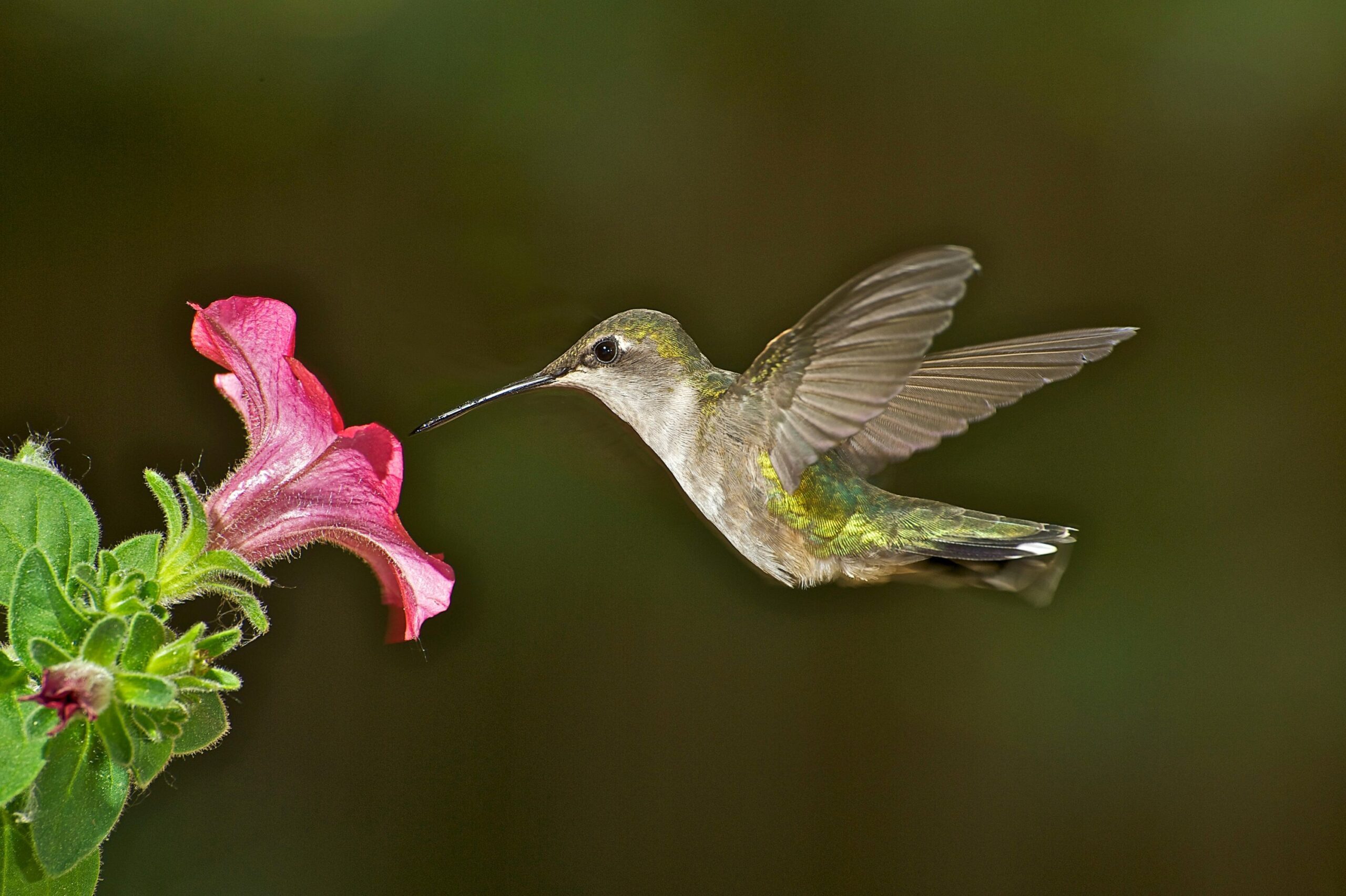

Hummingbirds may be tiny, but they are not low-maintenance visitors. If you want them to return to your yard again and again, you need more than a red feeder full of sugar water. The best hummingbird gardens offer clean nectar, native flowers, insects, shelter, water and safe places to perch. The good news is that attracting hummingbirds is not complicated. The bad news is that many backyard mistakes—dirty feeders, red dye, too few flowers, pesticides and poor feeder placement—can keep them away or even harm them. Here is how to build a yard hummingbirds actually want to visit.
What Do Hummingbirds Eat?
Hummingbirds are best known for drinking nectar, but sugar water is only part of their diet. They also eat small insects and spiders, which provide the protein and fat they need for migration, nesting and survival. That means a perfect hummingbird yard should include both nectar sources and insect habitat. A feeder helps, but it should not be the whole plan. Native flowers, shrubs, trees and pesticide-free garden beds create a much stronger habitat than a feeder alone. For more ways to build a pollinator-friendly yard, see our guide to the best native wildflowers for a pollinator garden.
The Best Hummingbird Nectar Recipe
The safest homemade hummingbird nectar is simple:

- 1 part plain white granulated sugar
- 4 parts water
For example, mix 1 cup of sugar with 4 cups of water. Stir until the sugar dissolves completely, then let the mixture cool before filling your feeder. Do not add red dye. Do not use honey, brown sugar, molasses, powdered sugar, artificial sweeteners or sports drinks. These are not safe substitutes for plain white sugar water. For additional feeder safety guidance, the Smithsonian National Zoo’s hummingbird nectar recipe recommends the same 1-to-4 sugar-water ratio and says not to add red dye. The National Audubon Society’s hummingbird nectar instructions also recommend a simple sugar-and-water mix.
Do You Have to Boil Hummingbird Food?
You do not need to overcomplicate it. Hot water can help dissolve the sugar, and boiling water may be useful if you are making a larger batch or want the sugar to dissolve quickly. The important part is that the sugar fully dissolves and the nectar is completely cool before it goes into the feeder. If you make extra nectar, store it in the refrigerator and discard it if it looks cloudy, smells fermented or has been sitting too long.
How Often Should You Clean a Hummingbird Feeder?
This is where many people fail. Hummingbird feeders must be cleaned often because sugar water can ferment and grow mold, especially in hot weather. As a general rule:
- Clean and refill feeders every 1 to 2 days in hot weather.
- Clean and refill every 3 to 4 days in cooler weather.
- Clean immediately if the nectar looks cloudy, sticky or moldy.
Use hot water and a bottle brush to scrub every port and crevice. Avoid letting black mold build up inside the feeder. A pretty feeder that is hard to clean is not a good feeder. If you are also trying to attract more backyard birds, read why birds are not coming to your feeder. Many of the same problems—dirty feeders, poor placement and lack of cover—can affect hummingbird activity, too.
Where to Hang a Hummingbird Feeder
Place hummingbird feeders where birds can find them easily but still feel safe. A good spot is near flowers, shrubs or small trees, with a nearby perch where hummingbirds can rest between visits. Avoid deep shade where birds may not notice the feeder. Also avoid placing the feeder too close to windows unless you use window safety decals or other collision-prevention methods. The best feeder locations usually have:
- Morning sun and afternoon shade
- Nearby flowers or shrubs
- Good visibility from above
- Protection from cats and heavy foot traffic
- Easy access so you can clean and refill it often
For broader feeder setup tips, see how to choose the right bird feeder for your backyard.
The Best Flowers for Hummingbirds
Hummingbirds are especially attracted to tubular flowers because their long bills and tongues are built for reaching nectar deep inside blooms. Red, orange and pink flowers often catch their attention, but flower shape and nectar quality matter more than color alone. Good hummingbird plants include:
- Bee balm
- Cardinal flower
- Coral honeysuckle
- Trumpet honeysuckle
- Columbine
- Penstemon
- Salvia
- Jewelweed
- Trumpet creeper, where it can be managed carefully
- Zinnia
- Verbena
- Native phlox
In the eastern United States, the Ruby-throated Hummingbird is the main breeding hummingbird, and Cornell Lab’s Ruby-throated Hummingbird profile notes that these birds visit feeders and tubular flowers in gardens, parks and woodland edges. For a stronger flower plan, combine hummingbird flowers with other pollinator plants. Start with how to start a butterfly garden, then add hummingbird favorites into the same beds.
Plant for a Long Bloom Season
A hummingbird garden should not peak for only two weeks. The goal is to offer nectar from spring through fall migration. Use a mix of early, midseason and late-blooming plants. Spring flowers help arriving hummingbirds. Summer flowers support nesting adults and young birds. Late-season blooms help migrants build energy before they leave. Keep flowers producing by removing spent blooms when appropriate. Our guide on how to deadhead flowers the right way can help keep nectar plants blooming longer.
Do Hummingbirds Need Insects?
Yes. This is one of the most overlooked parts of attracting hummingbirds. Nectar gives hummingbirds quick energy, but insects provide protein, fat and minerals. Hummingbirds catch tiny insects in the air, pick them from leaves and even take them from spider webs. The USDA notes that Ruby-throated Hummingbirds eat spiders and small insects such as flies, gnats and aphids, especially as an important source of fat and protein. That means you should avoid spraying broad-spectrum insecticides in a hummingbird garden. If you wipe out the tiny insects, you remove a major food source. Learn more from the USDA’s Ruby-throated Hummingbird pollinator profile.
Add Perches, Shelter and Nesting Cover
Hummingbirds spend plenty of time resting between feeding trips. They often perch on thin branches, small trees, shrubs, trellises and dead twigs. Do not make your yard too sterile. A hummingbird-friendly garden should include layers: flowers at different heights, shrubs for cover, small trees for shade and safe perching spots near nectar sources. Female hummingbirds build tiny nests using plant material, lichen and spider silk. Dense shrubs, small trees and nearby spider webs can all support nesting habitat.
Add Moving Water
Hummingbirds are not usually attracted to deep birdbaths the same way larger birds are. They prefer shallow, moving water, mist, drips or fine spray. Good options include:
- A mister near flowers
- A small fountain with shallow edges
- A gentle drip feature
- Wet leaves from a garden mister
Place water where hummingbirds can approach safely, away from outdoor cats and heavy activity.
When Should You Put Out Hummingbird Feeders?
Timing depends on where you live. In many parts of the eastern United States, Ruby-throated Hummingbirds begin arriving in spring and stay through summer before migrating south in late summer and fall. Put feeders out shortly before hummingbirds usually arrive in your region. Keep them clean and available through fall migration. Leaving a clean feeder up a little longer will not stop hummingbirds from migrating. Migration is driven by natural seasonal cues, not by the presence of your feeder. Take feeders down only after you have stopped seeing hummingbirds for a couple of weeks, unless you live in an area where some hummingbirds remain through winter.
Why Hummingbirds Are Not Coming to Your Yard
If hummingbirds are not visiting, the problem is usually one of these:
- Your feeder is dirty or the nectar is old.
- The feeder is hidden too well.
- You do not have enough flowers nearby.
- Your garden does not provide insects.
- You are using pesticides.
- There is too much activity, noise or predator pressure.
- The feeder is being guarded by one aggressive hummingbird.
- It is simply too early or too late in your local migration season.
Hummingbirds can be territorial. If one bird dominates a feeder, add a second feeder out of sight of the first. This gives other hummingbirds a better chance to feed without being chased away.
How to Make Your Yard More Attractive to Hummingbirds
The best hummingbird yards combine feeders with flowers, insects, shelter and water. Do not rely on one feeder hanging from a bare hook in the middle of the yard. Instead, build a complete habitat:
- Plant native tubular flowers.
- Offer clean sugar water in properly maintained feeders.
- Avoid red dye and unsafe sweeteners.
- Skip pesticides whenever possible.
- Provide shrubs, small trees and thin perches.
- Add shallow moving water or a mister.
- Plant for spring, summer and fall bloom.
If you enjoy photographing backyard wildlife, hummingbirds are one of the most rewarding subjects. For better shots, read how to photograph butterflies in your garden. Many of the same patience, lighting and background principles apply to hummingbirds, too.
Best Hummingbird Plants for a Pollinator Garden
If you want a garden that supports hummingbirds, butterflies and bees, focus on native plants first. Native flowers usually support more insects, which helps hummingbirds as well as other birds. Good companion plants for a pollinator-friendly yard include coneflowers, milkweed, bee balm, native asters, goldenrod, phlox and salvia. Coneflowers are not the top hummingbird plant, but they are excellent for a broader pollinator garden and help build a healthier backyard ecosystem. Learn more in how to grow coneflowers.
Common Hummingbird Feeder Mistakes
A hummingbird feeder should help birds, not create problems. Avoid these mistakes:
- Using red dye
- Letting nectar sit too long
- Buying a feeder that is hard to clean
- Using honey or brown sugar
- Placing feeders where cats can stalk birds
- Ignoring ants, bees, mold or leaks
- Hanging only one feeder when multiple birds are fighting
A smaller feeder that you clean often is better than a large feeder that sits half-full for days.
Final Thoughts: Feeders Help, But Habitat Wins
If you want to attract hummingbirds, start with clean nectar and a safe feeder. But do not stop there. The yards that bring hummingbirds back year after year are layered, pesticide-free and full of flowers, insects, shelter and water. A feeder may get their attention. A real habitat gives them a reason to stay.
FAQ About Attracting Hummingbirds
What is the best homemade hummingbird food?
The best homemade hummingbird food is 1 part plain white granulated sugar mixed with 4 parts water. Do not add red dye.
Should hummingbird feeders be in sun or shade?
Morning sun and afternoon shade is usually best. Shade helps slow nectar spoilage during hot weather.
Do hummingbirds prefer red flowers?
Hummingbirds often notice red, orange and pink flowers, but tubular shape and nectar quality matter most.
Will a feeder stop hummingbirds from migrating?
No. A clean feeder will not stop migration. Hummingbirds migrate because of seasonal cues, not because a feeder is available.
Why do hummingbirds fight over feeders?
Hummingbirds are territorial and often defend rich food sources. Add more feeders in separate locations to reduce fighting.
What should you never put in hummingbird nectar?
Never use red dye, honey, brown sugar, molasses, powdered sugar, artificial sweeteners or flavored drinks.
Share this article

Hi, I’m Andrew — the passionate backyard enthusiast behind Butterflies, Birds & Blooms.
I’m not a biologist, master gardener, or certified expert by any stretch. I’m simply someone who fell in love with the magic that happens right outside my own back door. There’s nothing quite like spotting the first monarch of the season, hearing the cheerful chatter of birds at the feeder, or watching flowers bloom and bring life to the garden.
What started as a personal hobby quickly grew into a desire to share the joy, simple tips, and everyday wonders of creating a backyard that welcomes butterflies, birds, and beautiful blooms. Whether you’re a complete beginner or a seasoned nature lover, this little corner of the internet is for all of us who find peace, wonder, and happiness in our gardens.
You’ll find practical gardening ideas, seasonal observations, canning adventures from the “Bushel Basket,” and plenty of real-life stories from my own yard on a steep hill just outside Nashville. No fancy jargon, no gatekeeping — just genuine love for nature and a community of like-minded folks.
Join me as we learn together, celebrate the small wins, and make our backyards a little more alive with butterflies, birds, and blooms.

Join the discussion
Sign in to join the discussion
Comments are open to BBB members. Sign in to your free account to share your experience, ask questions, and reply to other readers.
Free to join. No credit card. Founding Member badge for the first 500 spots.