
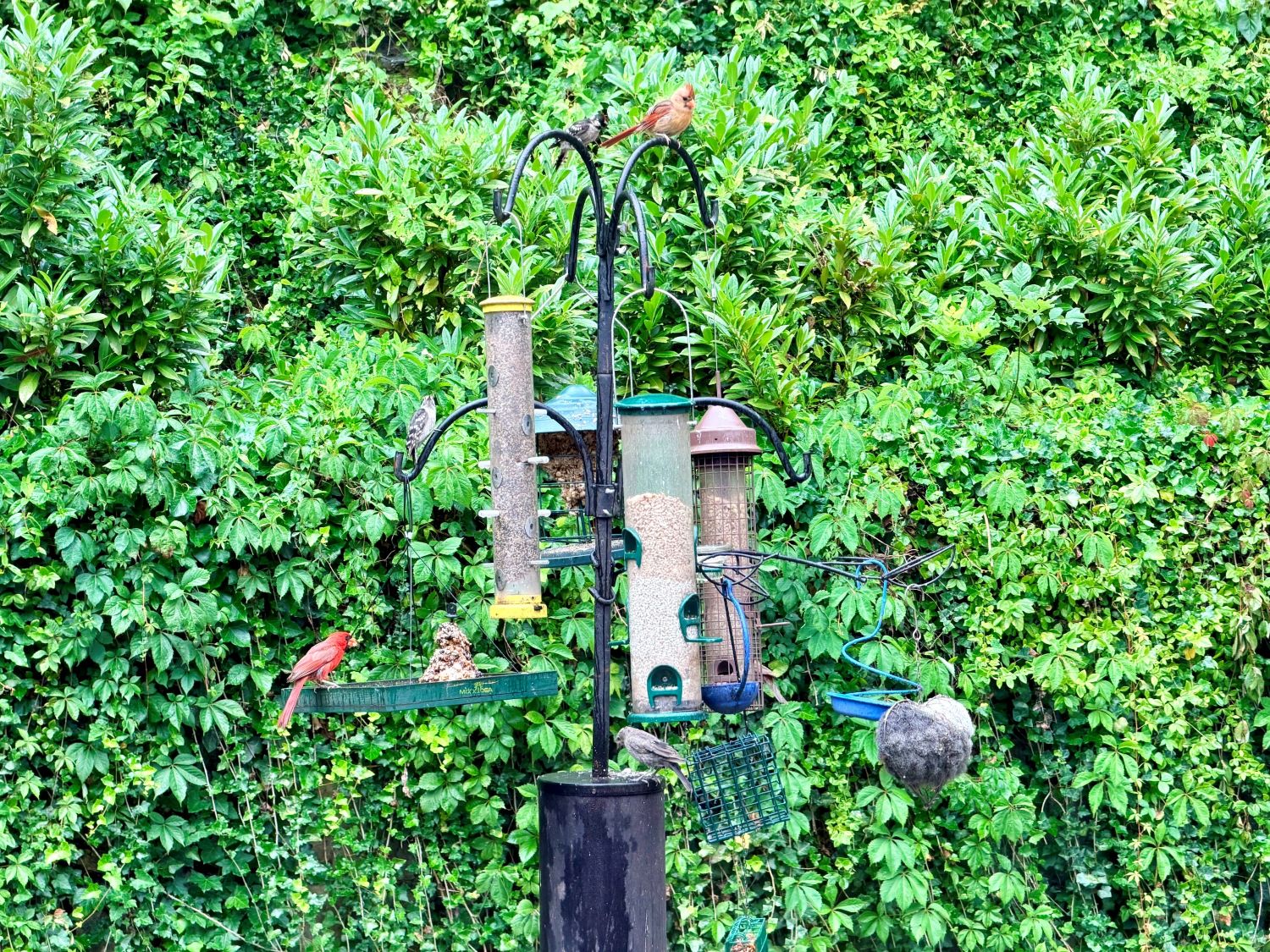

Why Birds Are Not Coming to My Feeder: 12 Common Reasons and Easy Fixes
If you are asking, “Why are birds not coming to my feeder?” the answer is usually simple: something about the food, feeder, placement or safety of the area is not working for them yet. Birds are cautious. They do not visit a feeder just because it is full. They need to find it, trust it, recognize the food, feel safe while eating and have a reason to return. A feeder in the wrong spot, filled with stale seed or placed too far from cover can sit untouched for days or even weeks. The good news is that most feeder problems are fixable. Before you give up, use this checklist to figure out why birds are not coming to your feeder and what to change first.
This article contains affiliate links. If you buy through them, BBB may earn a small commission at no extra cost to you.

Quick Checklist: Why Birds Are Not Coming to Your Feeder
- The feeder is too new and birds have not found it yet.
- The seed is old, wet, moldy or low quality.
- The feeder is dirty or clogged.
- The feeder is in an unsafe or exposed location.
- There is not enough nearby cover.
- Outdoor cats, dogs, squirrels or hawks are making birds nervous.
- The feeder style does not match the birds in your yard.
- You are not offering water nearby.
- Natural food is abundant, so feeder activity is temporarily lower.
- Your yard lacks plants, shelter and habitat birds need.
1. Your Bird Feeder Is Too New
One of the most common reasons birds are not coming to a feeder is that they simply have not discovered it yet. Backyard birds follow daily feeding routes. If your feeder is new, it may not be part of their routine. Give a new feeder at least one to two weeks before assuming something is wrong. Birds may spot it sooner if it is visible from trees, shrubs, fences or other perching areas. If the feeder is hidden under a porch roof, tucked behind furniture or placed in a wide-open area with no nearby landing spots, it may take longer. Fix it: Keep the feeder filled consistently, place it where birds can easily see it and avoid moving it every day. Birds need time to learn that the feeder is a reliable food source.
2. You Are Using the Wrong Bird Seed
Cheap birdseed blends are one of the biggest reasons birds ignore feeders. Many bargain mixes contain filler seeds that birds often toss aside while looking for the foods they actually want. For most backyard feeders, black oil sunflower seed is the best starting point. It attracts a wide range of birds, including cardinals, chickadees, titmice, finches, nuthatches, grosbeaks and woodpeckers. Hulled sunflower hearts are also excellent because they are easy for birds to eat and leave less mess under the feeder. Fix it: Start with black oil sunflower seed or sunflower hearts. If you want finches, add a separate nyjer feeder. If you want woodpeckers, nuthatches and chickadees, offer suet. If you want cardinals, use a platform or hopper feeder with sunflower seed. For more guidance on feeder foods and feeder types, see the Cornell Lab of Ornithology’s bird feeder guide.
3. The Seed Is Old, Wet or Moldy
Birds may avoid your feeder if the seed is stale, damp or moldy. Seed can spoil quickly in humid weather, especially after heavy rain. Even if the feeder looks full, the seed inside may be clumped, musty or unappealing. Wet seed can also create health problems for birds. A dirty feeder with old seed, droppings and hull buildup can spread disease, especially when many birds are feeding in the same place. Fix it: Empty the feeder, scrub it, let it dry completely and refill it with fresh seed. Store birdseed in a sealed container in a cool, dry place. Do not keep large bags for months unless you can store them properly.
4. Your Feeder Is in the Wrong Location
Feeder placement matters. Birds prefer feeding spots that give them a clear view of danger and a quick escape route. A feeder in the middle of an exposed lawn may feel too risky. A feeder buried in thick shrubs may feel like a trap because cats or other predators can hide nearby. The best location is usually near natural cover, but not directly inside it. Birds like having shrubs, small trees or branches nearby where they can perch before approaching the feeder. They also need enough open space around the feeder to watch for predators. Fix it: Place the feeder near shrubs or trees, but leave several feet of open space around it. Avoid placing feeders directly beside dense hedges, low branches or places where outdoor cats can hide.
5. Birds Do Not Feel Safe in Your Yard
Birds are prey animals. They are constantly watching for cats, hawks, dogs, loud activity and sudden movement. If your feeder is near a busy patio, driveway, barking dog, children’s play area or outdoor cat route, birds may avoid it. Outdoor cats are especially serious. Even a well-fed cat can scare birds away from a feeder. If birds see a cat regularly near the feeding area, they may stop visiting. Fix it: Move the feeder to a quieter section of the yard. Keep cats indoors. Give birds nearby perching spots, but avoid placing the feeder where predators can hide close to it.
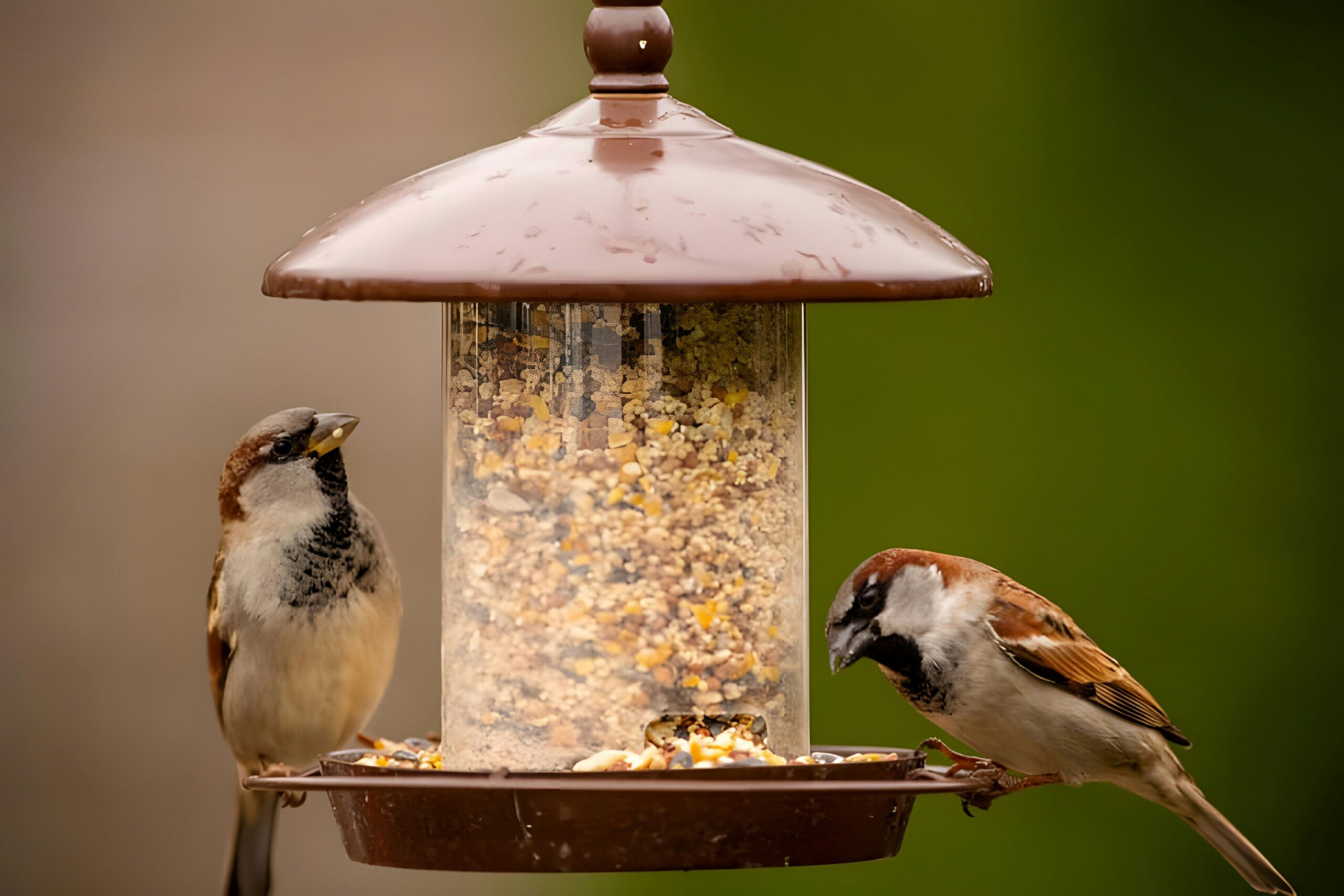
6. The Feeder Style Does Not Match the Birds You Want
Different birds prefer different feeder styles. A tube feeder may attract chickadees, finches and titmice, but it may not be comfortable for cardinals. A suet cage may attract woodpeckers, nuthatches and wrens, but seed-eating birds may ignore it. A platform feeder can attract many species, but it also needs more frequent cleaning. If birds are not coming to your feeder, the problem may not be your yard. It may be that the feeder does not match the birds in your area.
Need a better setup? Browse bird feeders for sale and choose one that matches the birds you want to attract.
Fix it: Match the feeder to the birds you want:
- Cardinals: hopper feeders, platform feeders and sunflower seed
- Goldfinches: tube feeders, nyjer feeders and sunflower hearts
- Chickadees and titmice: tube feeders, hopper feeders and sunflower seed
- Woodpeckers: suet feeders and peanut feeders
- Doves and sparrows: platform feeders or ground feeding areas
For a deeper guide, see how to choose the right bird feeder for your backyard.
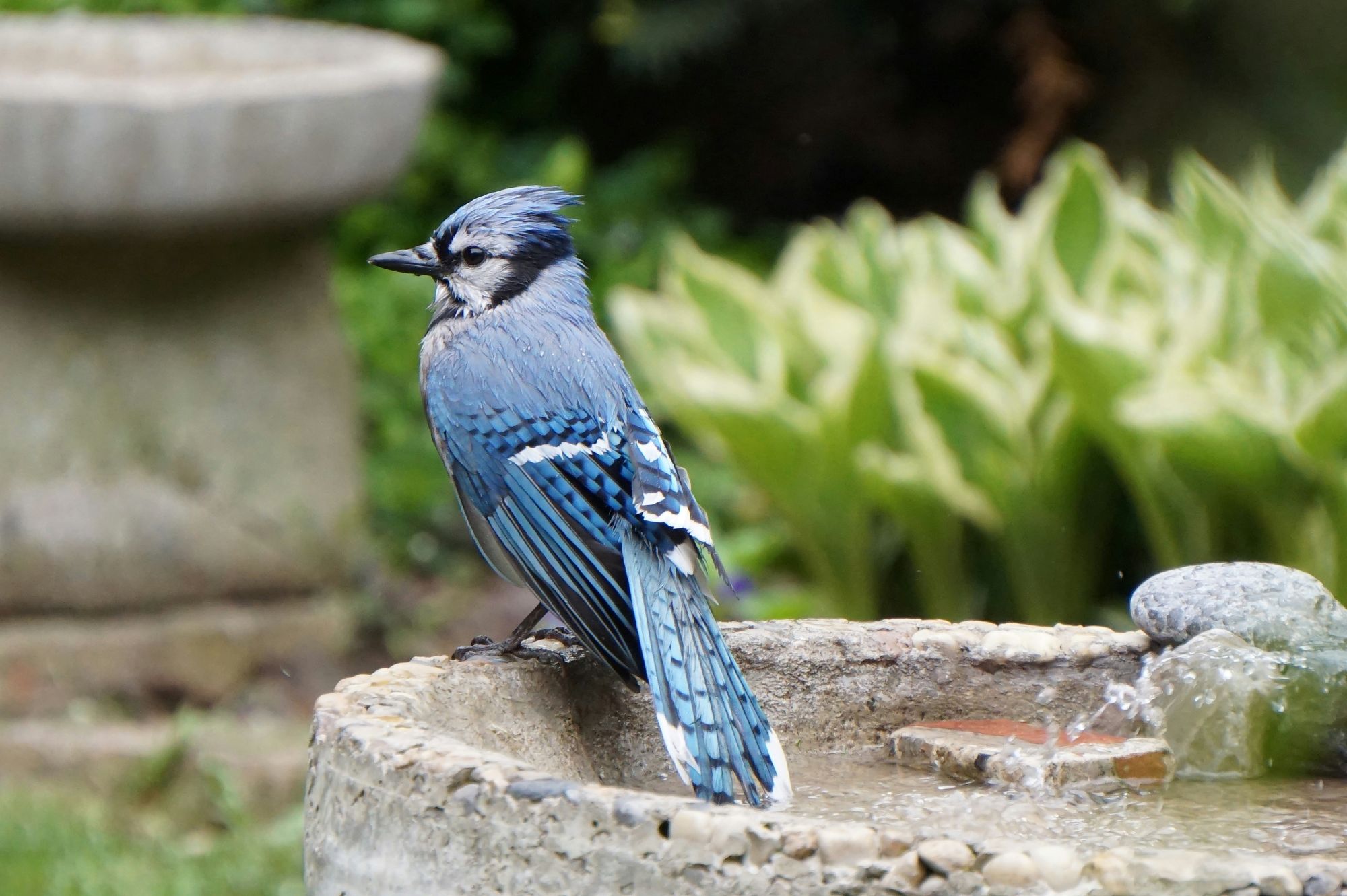
7. There Is No Water Nearby
Food helps attract birds, but water often makes a yard more appealing. Birds need water for drinking and bathing. In hot weather, dry weather or freezing winter conditions, a reliable water source can be just as attractive as seed. A simple birdbath can make a big difference, especially if it is shallow, clean and placed where birds feel safe. Moving water is even better because birds can hear it and spot it more easily. Fix it: Add a shallow birdbath near the feeding area, but not directly under the feeder where seed hulls and droppings will fall into it. Change the water often and scrub the birdbath regularly.
8. You Are Feeding Birds at the Wrong Time of Year
Bird activity at feeders changes by season. In spring and summer, many birds eat more insects, berries and natural foods. In fall and winter, feeders often become busier because natural food can be harder to find. If your feeder is slow in summer, that does not always mean you are doing something wrong. Birds may simply have plenty of natural food available. They may also be nesting, molting or feeding young, which can change their behavior. Fix it: Keep the feeder clean and lightly filled during slow seasons. Do not overfill it if birds are not eating the seed quickly. Add native plants, seed-producing flowers and berry shrubs to make the yard attractive beyond the feeder.
9. Your Yard Does Not Offer Enough Habitat
A feeder alone may not be enough. Birds are more likely to visit yards that offer food, water, shelter and nesting cover. A bare lawn with one feeder in the middle is less inviting than a yard with shrubs, native plants, trees, leaf litter and safe perching spots. Native plants are especially valuable because they support insects, berries and seeds that birds naturally eat. Even birds that visit feeders often rely on insects to feed their young. Fix it: Add layers to your yard. Use trees, shrubs, native flowers, grasses and brushy edges. Leave some seed heads standing in fall. Reduce pesticide use so birds can find natural insects.
10. Squirrels or Bully Birds Are Taking Over
Sometimes birds are not missing your feeder. They are being pushed away. Squirrels, grackles, starlings or aggressive flocks can dominate a feeder and make smaller birds avoid it. If the feeder is constantly empty, knocked sideways or surrounded by seed shells, squirrels may be the real visitors. If you see large groups of aggressive birds, smaller songbirds may be waiting for a safer time to feed. Fix it: Use a squirrel baffle, move the feeder away from jumping points and choose feeders designed to limit access by larger birds. Offer different foods in separate feeders so one group does not control the entire feeding station.
11. The Feeder Is Too Close to a Window or Other Hazard
Birds may avoid a feeder if the surrounding area feels confusing or dangerous. Large reflective windows can be a serious collision risk. Birds may see reflected trees or sky and fly toward the glass. Feeder placement near windows should be handled carefully. A feeder very close to a window can reduce the speed of a collision, while a feeder farther away from the house may give birds more room to maneuver. The key is to make windows visible to birds with decals, screens, external film or other bird-safe treatments. Fix it: Watch how birds approach the feeder. If they are startled, hitting glass or repeatedly flying toward reflections, move the feeder and make the window safer. For more information, see American Bird Conservancy’s guide to preventing window collisions.
12. You Are Not Cleaning the Feeder Often Enough
A dirty feeder can drive birds away and create health risks. Seed feeders should be cleaned regularly, especially during wet, humid or busy feeding periods. Hummingbird feeders need even more frequent cleaning because sugar water spoils quickly in warm weather. Do not just top off old seed with new seed. That leaves damp hulls, dust and debris at the bottom of the feeder. Fix it: Empty the feeder completely. Wash it with hot, soapy water or a diluted bleach solution, rinse thoroughly and let it dry before refilling. Rake or sweep up old seed hulls and waste below the feeder. For safe cleaning instructions, see the Cornell Lab of Ornithology’s bird feeder cleaning guide.
Best Bird Seed to Start With
If you only want to make one change, change the seed. Many feeder problems start with poor-quality food. Black oil sunflower seed is the best all-purpose choice for most backyard birds. Sunflower hearts are cleaner and easier to eat, though they can cost more. White millet can work well for ground-feeding birds, but it is best offered separately instead of buried in a cheap mix. Avoid seed blends with lots of red millet, wheat, oats or mystery filler. Birds may scatter those seeds on the ground, creating mess without attracting more desirable feeder visitors.
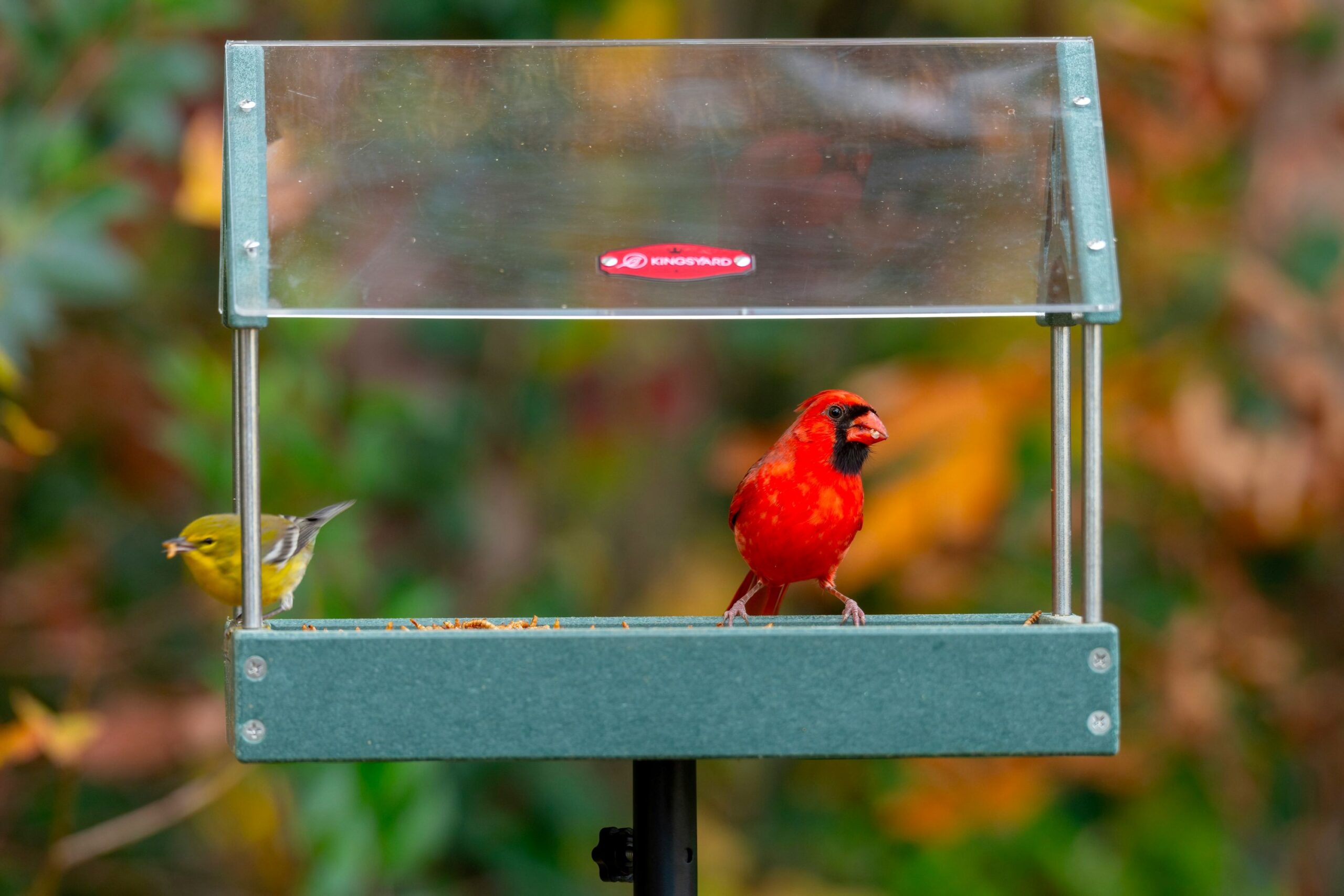
How Long Does It Take Birds to Find a Feeder?
Birds may find a feeder within a day, but it can also take a week or longer. The timing depends on your yard, the season, nearby habitat and how visible the feeder is. If your feeder is clean, filled with good seed and placed in a safe location, be patient. Do not move it every time you go a day without birds. Frequent changes can make it harder for birds to learn where the food is.
Where Should You Put a Bird Feeder?
The best place for a bird feeder is close enough to shrubs or trees that birds can retreat quickly, but not so close that cats or other predators can hide and ambush them. A feeder should also be easy for you to reach, clean and refill. A good starting point is a quiet area with partial shade, nearby perches and a clear view of the surrounding yard. Avoid placing feeders directly under messy branches, too close to heavy foot traffic or in areas where seed will fall onto hard-to-clean surfaces.
When to Take a Bird Feeder Down
Most slow feeders can be fixed, but there are times when taking a feeder down temporarily is the right move. Remove and clean feeders if you see sick birds, dead birds, moldy seed, heavy droppings or signs of disease. Also take feeders down during local wildlife disease advisories if recommended by wildlife officials. Feeding birds should help them, not concentrate them around dirty food or unsafe conditions.
Final Answer: Why Birds Are Not Coming to Your Feeder
Birds are probably not coming to your feeder because the food is wrong, the seed is stale, the feeder is dirty, the location feels unsafe or the birds have not found it yet. Start with the basics: fresh sunflower seed, a clean feeder, nearby cover, protection from cats and a reliable water source. Once birds trust your feeding station, they are more likely to return every day. The goal is not just to hang a feeder. The goal is to create a safe, clean and reliable backyard feeding spot birds can use with confidence.
FAQs About Birds Not Coming to Feeders
Why are birds not eating from my new feeder?
Birds may not have discovered it yet. Make sure the feeder is visible, filled with fresh seed and placed near safe cover. Give birds at least one to two weeks to find it.
What bird seed attracts the most birds?
Black oil sunflower seed is one of the best all-purpose seeds for backyard birds. Sunflower hearts are also excellent because they are easy to eat and create less mess.
Should my bird feeder be in the sun or shade?
Partial shade is often best. It keeps food from spoiling as quickly and gives birds a more comfortable place to feed. Avoid dark, hidden corners where predators can hide.
Do birds avoid dirty feeders?
Yes. Dirty feeders can hold spoiled seed, mold, droppings and disease organisms. Clean feeders regularly and remove old seed from the ground below.
Will birds come back if I move the feeder?
Usually, yes, but it may take time. Move the feeder only when needed, then leave it in the new spot long enough for birds to find it again.
Why did birds suddenly stop coming to my feeder?
Birds may stop visiting because natural food is abundant, the seed has spoiled, a predator is nearby, the feeder is dirty or the birds have changed feeding patterns for the season. Start by cleaning the feeder and replacing the seed.
Share this article


Join the discussion
Sign in to join the discussion
Comments are open to BBB members. Sign in to your free account to share your experience, ask questions, and reply to other readers.
Free to join. No credit card. Founding Member badge for the first 500 spots.