
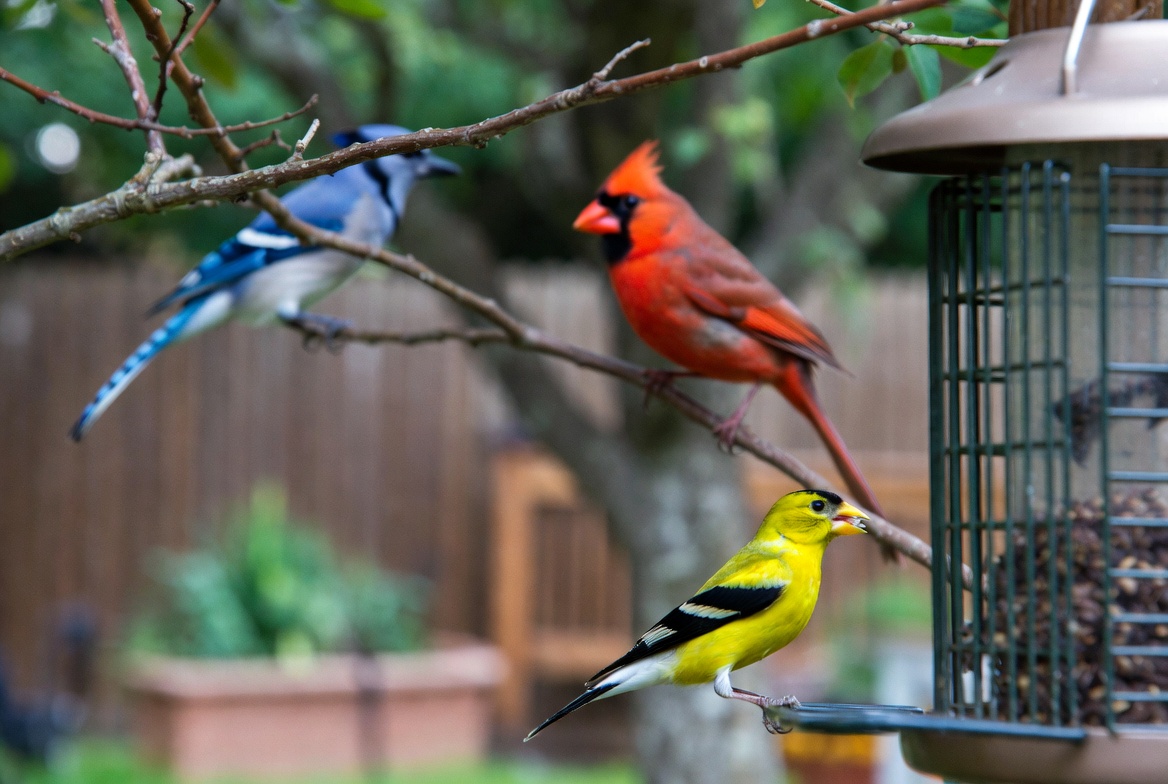

The Most Colorful Backyard Birds in North America
Colorful backyard birds can turn an ordinary feeder, flower bed or birdbath into one of the most interesting parts of your yard. Bright red cardinals, golden finches, orange orioles, blue buntings and jewel-like hummingbirds are among the most eye-catching birds in North America. But there is a practical point many backyard birding articles gloss over: not every colorful bird will come to every backyard. Range, habitat, season, food, clean water and cover all matter. A feeder helps, but the best bird-friendly yards also include native plants, shrubs, trees, seed heads, berries and insects. For a stronger backyard habitat, combine quality seed, clean feeders, native flowers, berry-producing shrubs and fresh water. The Cornell Lab of Ornithology notes that sunflower seed attracts the widest variety of feeder birds, while the National Audubon Society recommends native plants as one of the best ways to support birds with food and shelter.
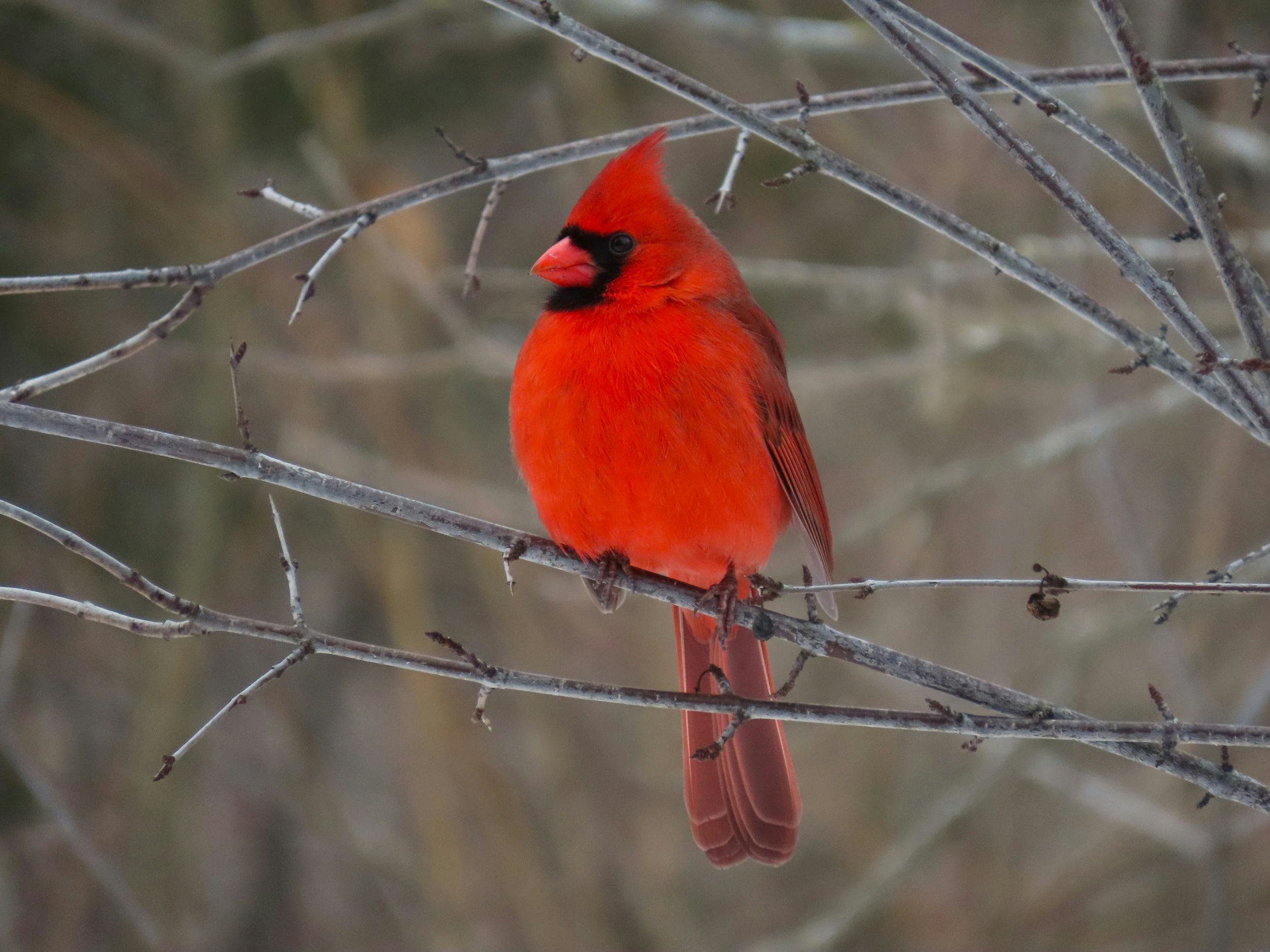
1. Northern Cardinal
The Northern Cardinal is one of the easiest colorful backyard birds to recognize. Males are brilliant red with a black face mask and crest. Females are warm brown with red highlights on the wings, tail and crest. Cardinals are common across much of eastern and central North America and are frequent feeder visitors. They are most comfortable when shrubs, hedges or evergreens provide nearby cover. How to attract them: Offer black oil sunflower seed or sunflower hearts in a hopper, platform or tray feeder. Add dense shrubs or native evergreens nearby so cardinals have safe places to perch, hide and nest.
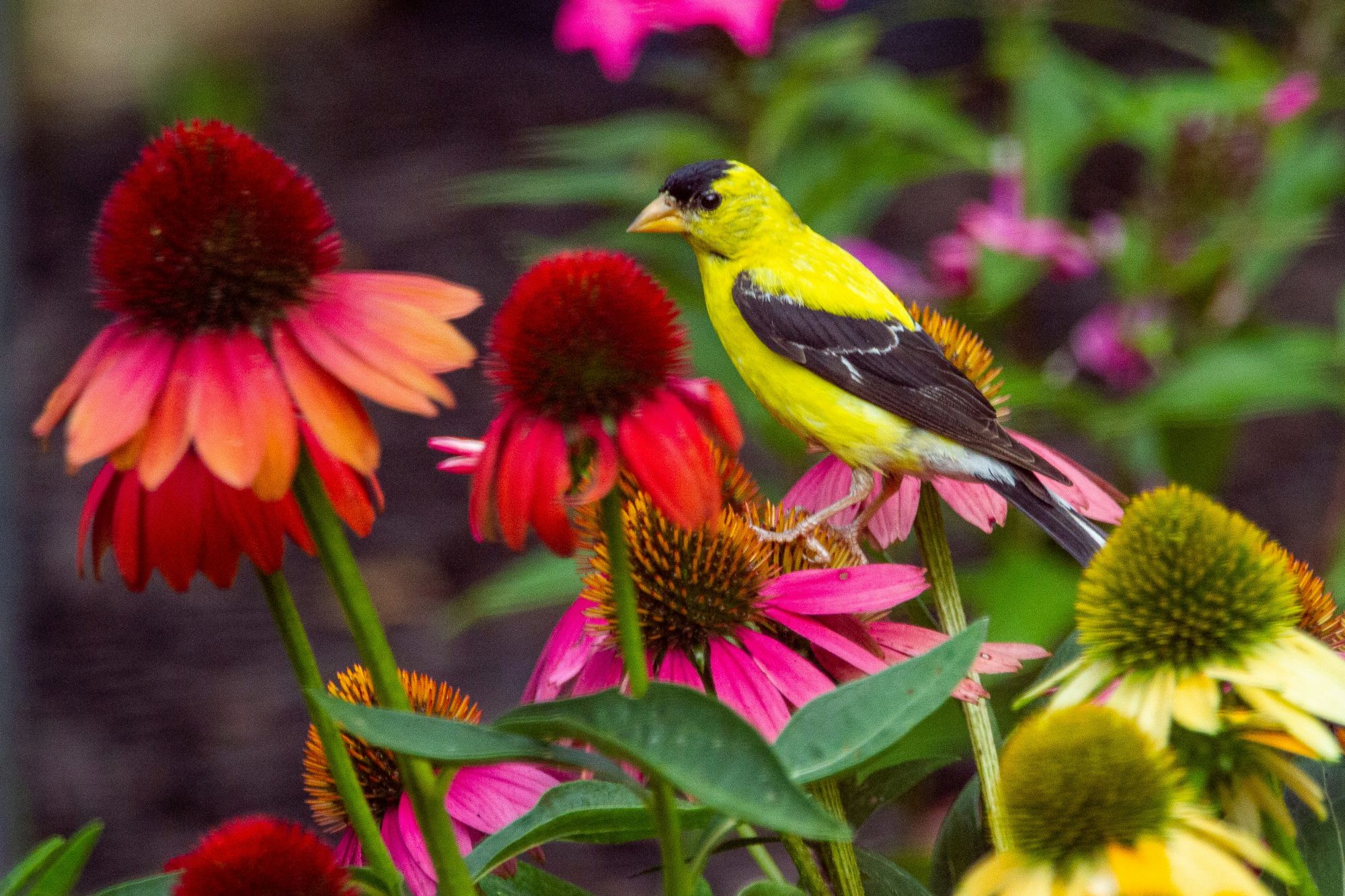
2. American Goldfinch
The American Goldfinch is one of the brightest yellow birds many people will see at backyard feeders. Breeding males are lemon yellow with black caps and black-and-white wings. In winter, they become duller olive-brown, so do not assume they have disappeared just because they are less vivid. Goldfinches are strongly associated with seeds. They feed on sunflower seed, nyjer and the seeds of many native flowers. How to attract them: Use a finch feeder with fresh nyjer or offer sunflower hearts. Leave coneflower, black-eyed Susan, sunflower and other seed heads standing instead of cutting everything down too early.

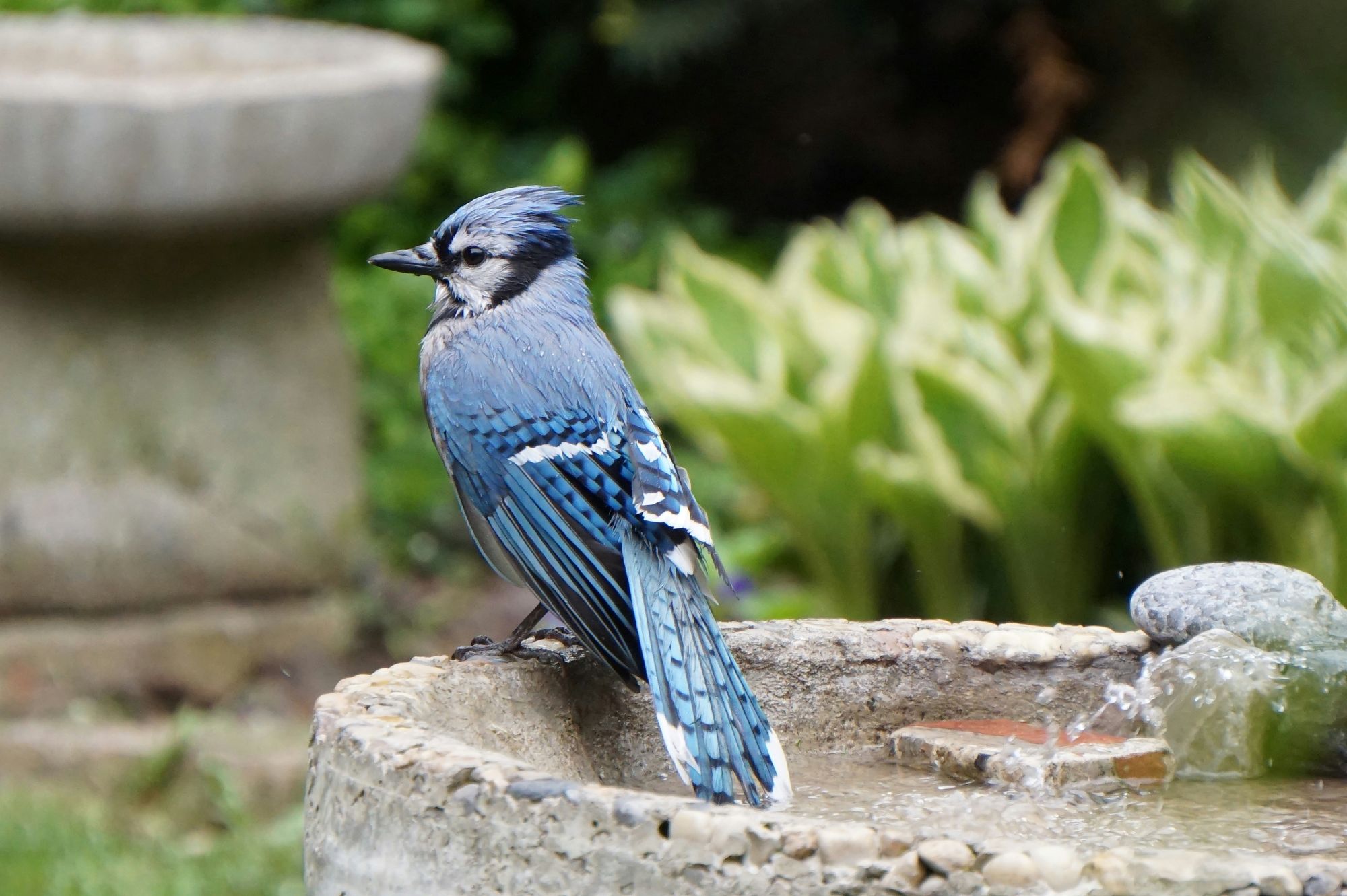
3. Blue Jay
Blue Jays are bold, intelligent and impossible to miss. Their blue, white and black pattern makes them one of the most striking year-round backyard birds in many neighborhoods. Blue Jays prefer tray and hopper feeders over small hanging feeders. They also rely on trees, especially oaks, which provide acorns and nesting habitat. How to attract them: Offer unsalted peanuts, sunflower seed and suet. If you have room, plant native oaks or preserve existing mature trees.
4. Baltimore Oriole
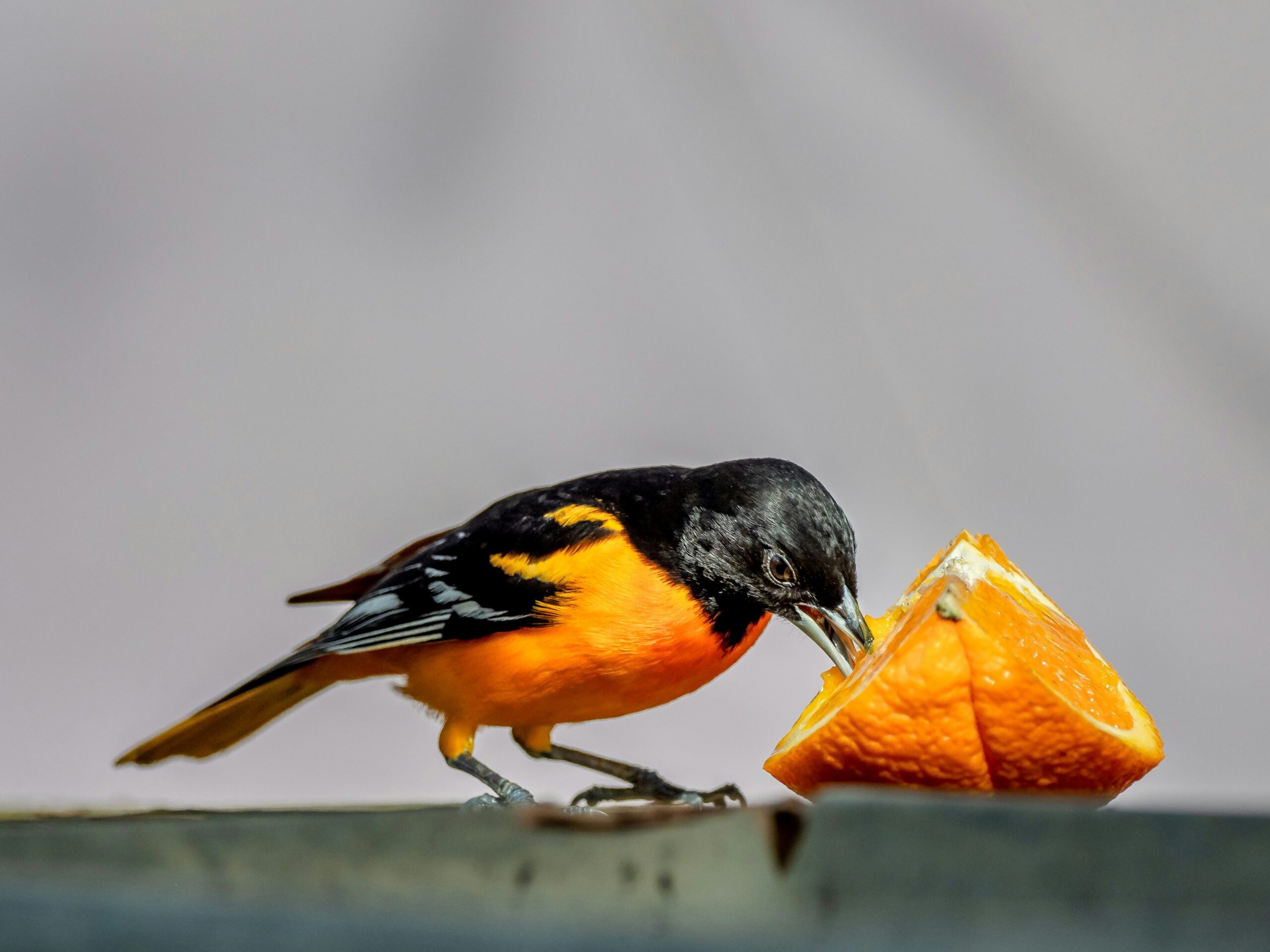
The male Baltimore Oriole is a flash of orange and black, often seen high in trees during spring and summer. Orioles are common in eastern North America but can be easy to miss because they often stay in the canopy. Orioles are not typical seed-eating feeder birds. They are more interested in fruit, nectar and insects. How to attract them: Put out orange halves in spring, use a clean oriole nectar feeder and plant fruiting native trees and shrubs. Small amounts of grape jelly may help attract orioles, but do not overdo it; too much sticky jelly can create problems for birds.
5. Ruby-throated Hummingbird
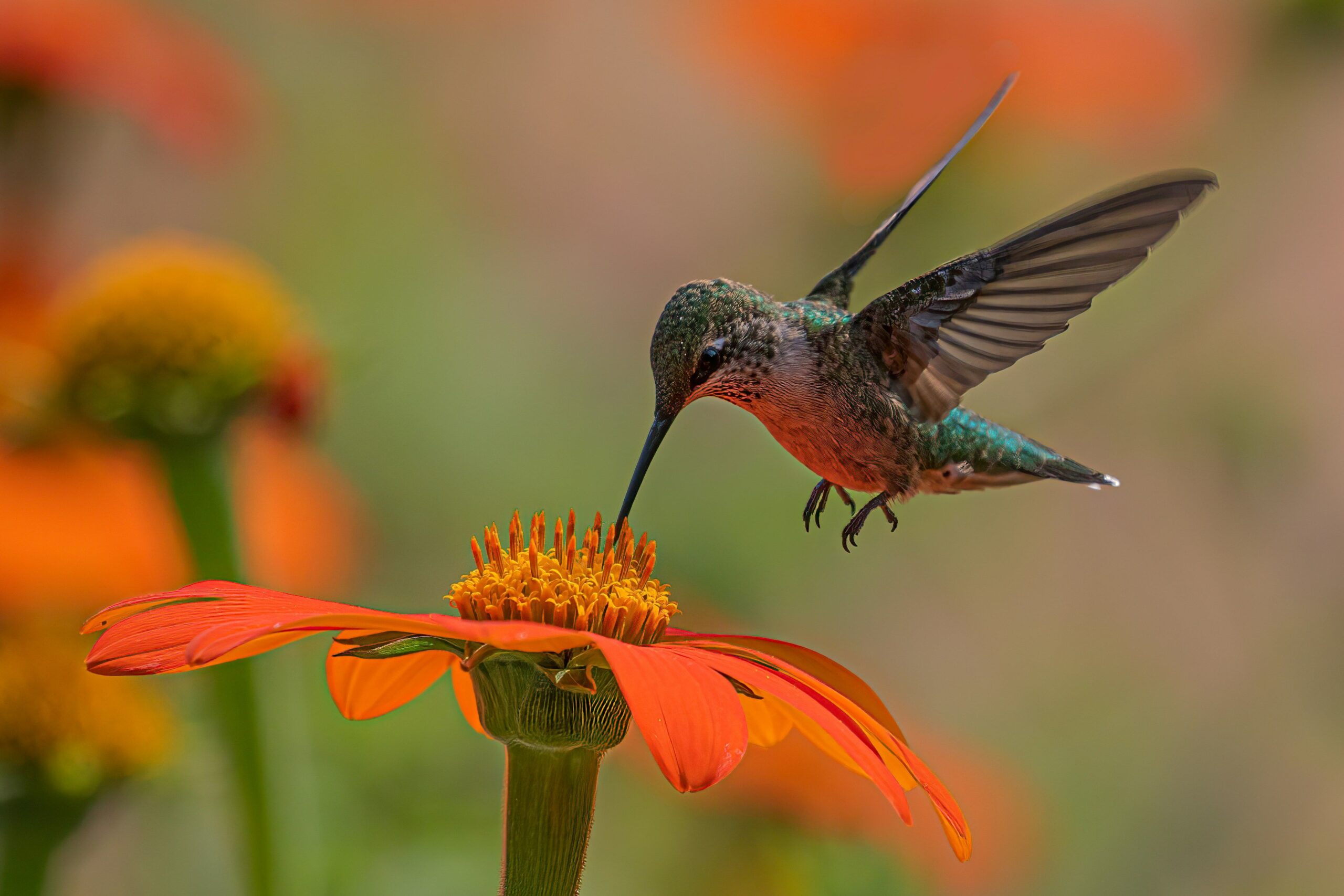
In eastern North America, the Ruby-throated Hummingbird is the classic backyard hummingbird. Males have shimmering green backs and a throat that can shift from dark to brilliant red depending on the light. Hummingbirds visit nectar feeders, but native tubular flowers are just as important. Cleanliness matters. Spoiled sugar water can harm birds. How to attract them: Plant tubular flowers such as bee balm, cardinal flower, trumpet honeysuckle, salvia and native columbine. Use plain sugar water in feeders: one part white granulated sugar to four parts water. Skip red dye and clean feeders often, especially in hot weather.
6. Painted Bunting
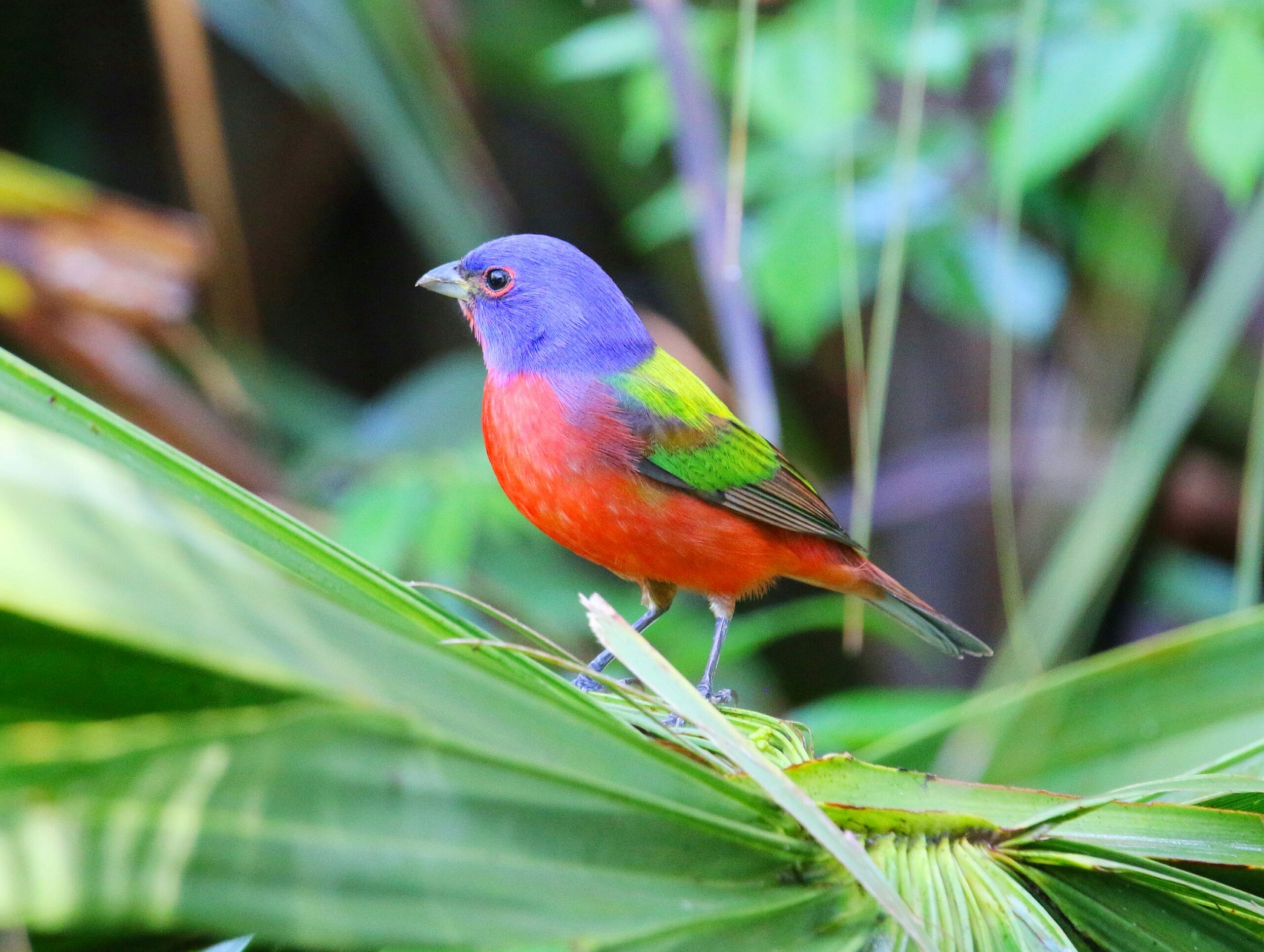
The Painted Bunting is one of the most colorful birds in North America. Adult males show blue, green, red and yellow-green tones that can look almost unreal. The catch is that Painted Buntings are regional and often shy. They are most likely in parts of the Southeast and south-central United States, especially where yards include dense, low vegetation. How to attract them: Provide dense shrubs, brushy edges, native grasses and seed-bearing plants. A sterile lawn with one exposed feeder is poor Painted Bunting habitat.
7. Indigo Bunting
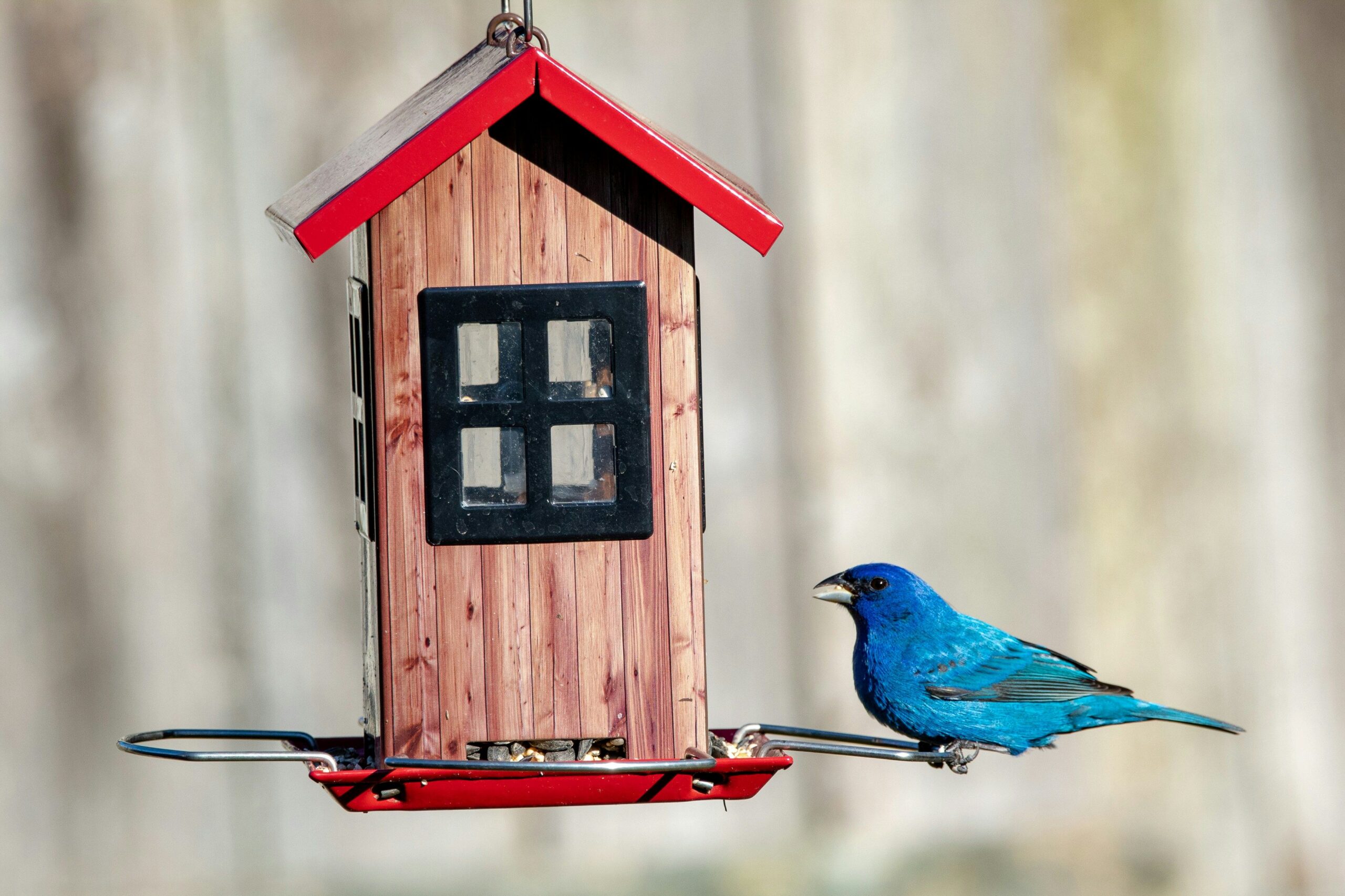
Male Indigo Buntings are deep, glowing blue in summer. Their color is structural rather than pigment-based, which means they can look bright blue in good light and much darker in shade. These birds are often found near woodland edges, rural roadsides, fields and brushy areas. They may visit yards with small seeds, especially when suitable habitat is nearby. How to attract them: Keep brushy edges, reduce pesticide use and offer nyjer or other small seeds if Indigo Buntings are in your area.
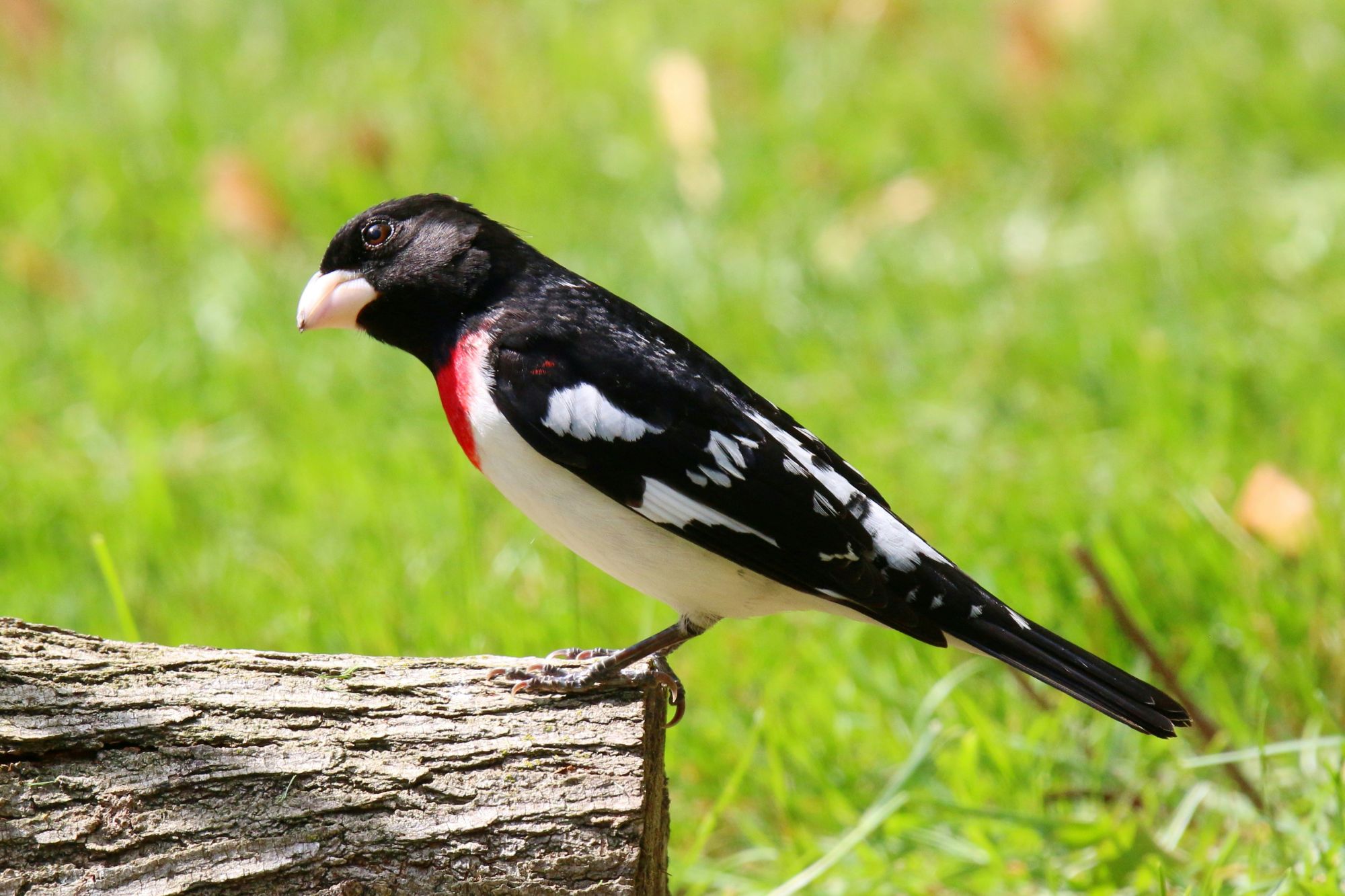
8. Rose-breasted Grosbeak
The male Rose-breasted Grosbeak has a dramatic black-and-white body with a bright rose-red patch on the chest. Females are brown and streaked but still attractive in a subtler way. Rose-breasted Grosbeaks often visit feeders, especially during spring and fall migration. They are a good reminder that migration season can bring short but memorable backyard visitors. How to attract them: Keep sunflower seed available during migration. Add berry shrubs and native trees to make the yard more useful beyond the feeder.
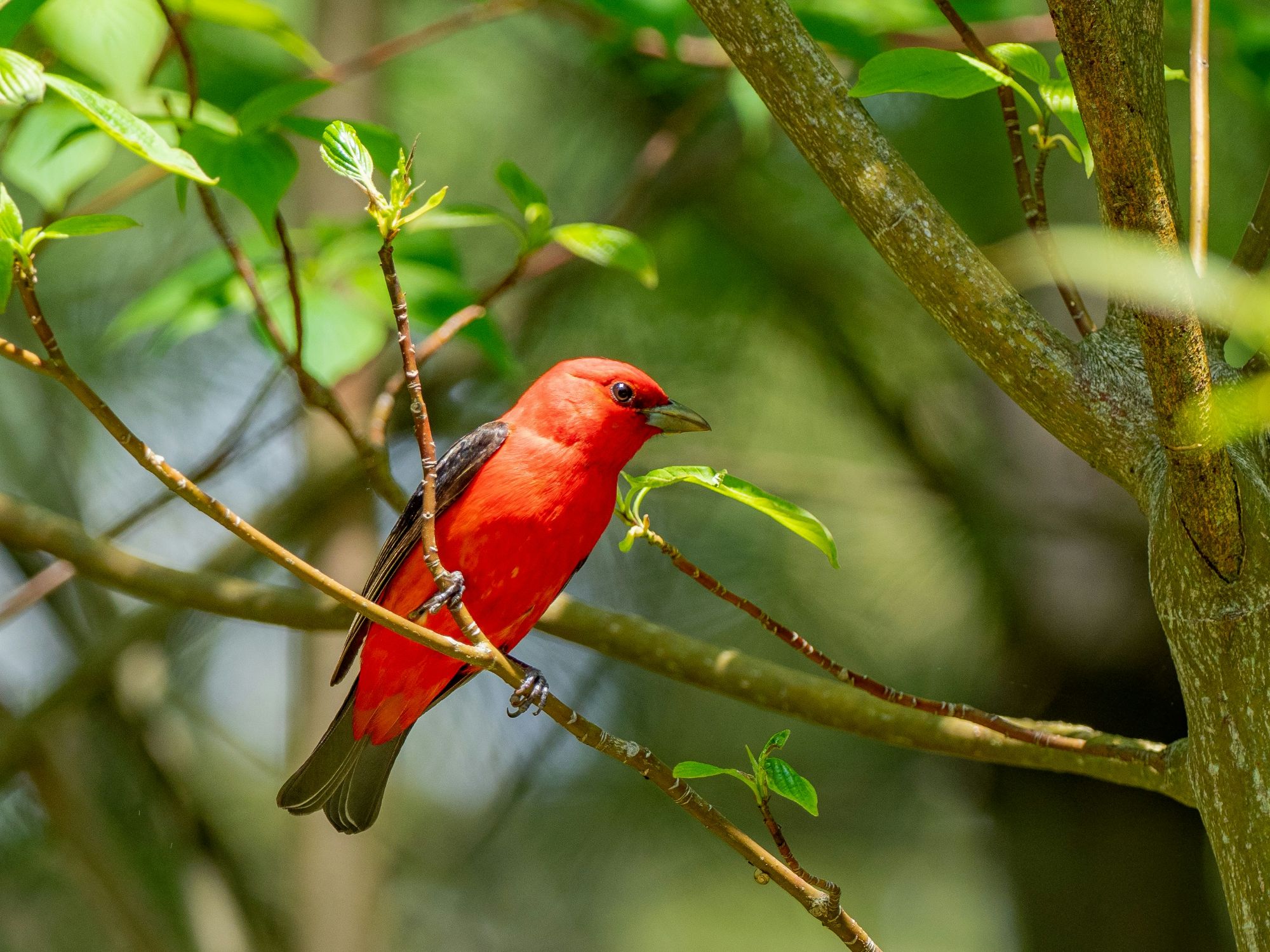
9. Scarlet Tanager
The Scarlet Tanager is stunning: a brilliant red male with black wings and tail. But it is not a typical feeder bird. This is where many weak backyard bird articles exaggerate. You may see Scarlet Tanagers in or near a backyard, especially if you live near mature deciduous woods, but you are more likely to attract them with habitat than with seed. How to attract them: Plant native berry-producing shrubs and preserve mature trees. Blackberries, raspberries, serviceberries, mulberries and other fruiting plants can help support tanagers and other birds.
10. Western Tanager
For western yards, the Western Tanager is one of the prize birds. Males are yellow with black wings and a reddish-orange head. Like Scarlet Tanagers, Western Tanagers are not heavy seed-feeder birds. They are more likely where there are trees, insects, fruit and fresh water. How to attract them: Use fruit, clean water, native trees and layered habitat. Seed feeders alone are not enough.
Best Backyard Setup for Colorful Birds
To attract more colorful backyard birds, think beyond one feeder. The strongest backyard habitat includes several food sources and safe places to rest.
- Sunflower seed: The best all-purpose feeder seed for many backyard birds.
- Nyjer: Useful for goldfinches and some buntings, but it must be fresh.
- Fruit: Helpful for orioles, tanagers, waxwings and some grosbeaks.
- Native flowers: Provide nectar, seeds and insects.
- Berry shrubs: Support tanagers, orioles, bluebirds, waxwings and migrating birds.
- Clean water: A birdbath, dripper or small fountain can attract birds that ignore feeders.
- Dense cover: Shrubs, brushy edges and evergreens make birds feel safer.
- No red dye: Hummingbird nectar should be plain sugar water.
Do Colorful Birds Visit Feeders Year-Round?
Some do, but many do not. Cardinals, Blue Jays and goldfinches may visit feeders throughout much of the year in many regions. Orioles, hummingbirds, tanagers, buntings and grosbeaks are more seasonal. Migration, breeding range and local habitat make a major difference. It is also normal for birds to look different by season. Male goldfinches are brightest during breeding season. Some birds appear duller in fall and winter. Juveniles and females may look very different from adult males.
Final Thoughts
The most colorful backyard birds in North America are not attracted by color alone. They come for food, water, shelter, nesting habitat and safety. A yard with native plants, clean feeders, seed heads, berry shrubs and fresh water will almost always outperform a yard with only a feeder hanging in the open. Start with the birds common in your region. Cardinals, goldfinches, Blue Jays and hummingbirds are realistic for many yards. Orioles, grosbeaks, buntings and tanagers may require better habitat, more patience and the right season. The more your backyard functions like real habitat, the more colorful your bird list becomes. Related reading: Attracting Birds to Your Yard | How to Choose the Right Bird Feeder for Your Backyard | Top Ten Mistakes People Make When Feeding Birds
Share this article


Join the discussion
Sign in to join the discussion
Comments are open to BBB members. Sign in to your free account to share your experience, ask questions, and reply to other readers.
Free to join. No credit card. Founding Member badge for the first 500 spots.