
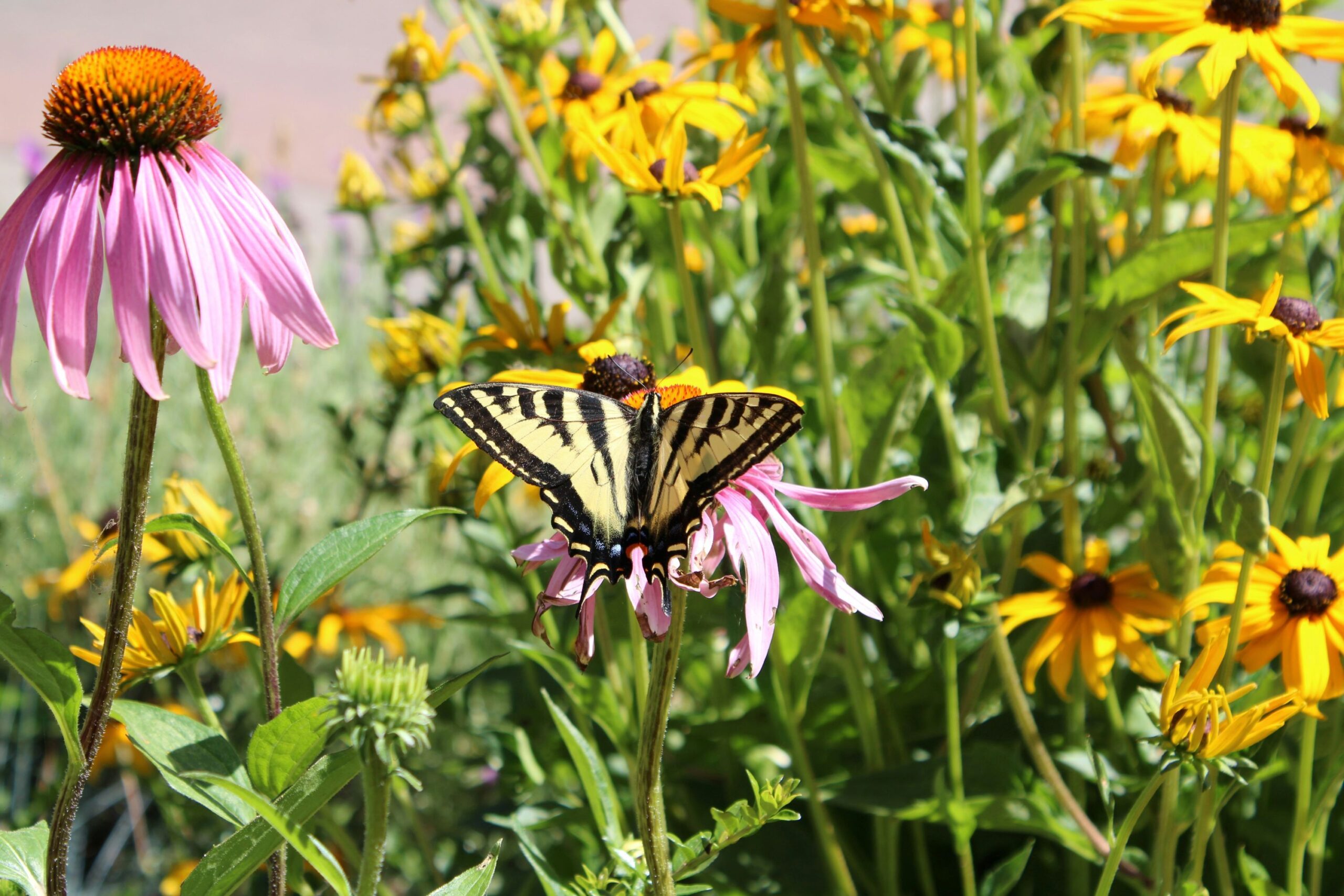

If you want a garden that brings in more bees, butterflies, hummingbirds and beneficial insects, start with native wildflowers. The best native wildflowers for a pollinator garden do more than add color. They provide nectar, pollen, caterpillar host plants, seeds for birds and shelter for small wildlife. There is one important catch: native does not mean native everywhere. A plant that belongs in a Tennessee meadow may be wrong for the Pacific Northwest, Arizona, New England or coastal California. Use this list as a strong starting point, then confirm the best choices for your state or region through a local native plant society, extension office or a native plant database such as the National Wildlife Federation Native Plant Finder. If your main goal is to attract butterflies, native wildflowers are only part of the plan. You also need caterpillar host plants, sunny resting spots, water sources and pesticide-free habitat. For a broader layout, see our guide on how to start a butterfly garden.
Why Native Wildflowers Are Best for Pollinators
Native wildflowers evolved alongside local bees, butterflies, moths, beetles, hummingbirds and other pollinators. That relationship matters. Adult butterflies may sip nectar from many flowers, but their caterpillars often rely on specific host plants. Native bees also vary in size, tongue length, nesting habits and flower preferences. A strong pollinator garden should include:
- Nectar flowers for adult butterflies, bees, moths and hummingbirds
- Pollen-rich flowers for native bees and beneficial insects
- Host plants where butterflies and moths can lay eggs
- Blooms from spring through fall so pollinators have food across the season
- Pesticide-free plants, especially plants not treated with systemic insecticides
- Clumps of flowers instead of one lonely plant here and there
The common mistake is planting a few pretty nectar flowers and calling it a pollinator garden. A real pollinator garden supports insects through more than one stage of life.

1. Milkweed
Best for: Monarch butterflies, bees, butterflies and beneficial insects Botanical name: Asclepias species Bloom time: Late spring to summer, depending on species Light: Full sun Good choices: Butterfly weed, swamp milkweed, common milkweed, whorled milkweed Milkweed is one of the most important native wildflowers for a pollinator garden because monarch caterpillars depend on it. Adult monarchs drink nectar from many flowers, but monarch caterpillars feed only on milkweed leaves. Choose the milkweed species that fits your garden. Butterfly weed has bright orange flowers and likes sunny, well-drained soil. Swamp milkweed has pink blooms and handles damp soil. Common milkweed is excellent for larger naturalized areas but can spread aggressively in small beds. Avoid using tropical milkweed as a default choice. In many areas, native milkweed species are better suited to local monarchs and the surrounding ecosystem.
2. Purple Coneflower
Best for: Bees, butterflies, goldfinches and low-maintenance color Botanical name: Echinacea species Bloom time: Summer into early fall Light: Full sun to light part sun Purple coneflower is one of the easiest native wildflowers to use in a sunny pollinator garden. Its daisy-like blooms attract bees and butterflies, while the seed heads can feed goldfinches and other birds later in the season. For the best wildlife value, choose straight species or simple single-flowered varieties. Avoid heavily modified double coneflowers with fluffy centers. They may look dramatic, but they often make it harder for pollinators to reach nectar and pollen. Purple coneflower works well in cottage gardens, meadow gardens, front-yard pollinator beds and mixed perennial borders. Plant it in groups of three to five plants for a stronger visual effect and better pollinator visibility.
3. Bee Balm and Wild Bergamot
Best for: Hummingbirds, bumblebees, butterflies and moths Botanical name: Monarda species Bloom time: Summer Light: Full sun to part sun Bee balm earns its name. Native Monarda species are magnets for bumblebees, butterflies, hummingbirds and other pollinators. The tubular flowers are especially useful for long-tongued bees and hummingbirds. Wild bergamot is a good choice for sunny, somewhat dry sites. Other bee balm species prefer richer or more evenly moist soil. Give bee balm good airflow to reduce powdery mildew, and do not crowd it into a wet, stagnant corner. Bee balm can spread, but that is not always a problem. Pollinator gardens look and function better when flowers grow in generous patches rather than isolated single plants.
4. Blazing Star
Best for: Butterflies, monarchs, bees and vertical garden structure Botanical name: Liatris species Bloom time: Summer to early fall Light: Full sun Blazing star adds tall purple flower spikes that stand out in a pollinator garden. Butterflies frequently visit the blooms, and the upright shape makes it useful for adding height without taking over the whole bed. Different Liatris species prefer different conditions. Some like dry prairie soil, while others tolerate more moisture. Match the species to your site instead of buying whatever happens to be available at a garden center. Plant blazing star near coneflower, black-eyed Susan, milkweed and little bluestem for a natural meadow look.
5. Black-Eyed Susan
Best for: Summer color, beginner gardens, birds and general pollinator value Botanical name: Rudbeckia species Bloom time: Summer into fall Light: Full sun to part sun Black-eyed Susan is a classic native wildflower and one of the easiest plants for beginner pollinator gardeners. The bright yellow flowers bring long-lasting summer color, and the seed heads can help feed birds if you leave them standing into fall and winter. It is not always the single highest-value nectar plant compared with mountain mint, goldenrod or asters, but it is tough, cheerful and useful in mixed plantings. It also helps hold a garden together visually while slower native perennials mature. Use black-eyed Susan in sunny beds, meadow edges, driveway borders and informal cottage gardens. Let some plants self-seed if you want a fuller, more natural look.
6. Mountain Mint
Best for: Native bees, wasps, flies, butterflies and beneficial insects Botanical name: Pycnanthemum species Bloom time: Summer Light: Full sun to part sun Mountain mint is one of the most underrated native wildflowers for a pollinator garden. When it blooms, the flowers often buzz with activity from bees, small butterflies, wasps, flies and other beneficial insects. This plant is especially valuable because it attracts a broad range of pollinators, not just the showy butterflies people notice first. Many tiny wasps and flies are important pollinators and garden allies. Mountain mint can spread by rhizomes, so give it room or place it where it can form a patch. If you want a very formal garden, this may not be your best plant. If you want a high-functioning pollinator bed, it belongs on the shortlist.
7. Goldenrod
Best for: Late-season bees, butterflies, migrating monarchs and beneficial insects Botanical name: Solidago species Bloom time: Late summer to fall Light: Full sun to part sun Goldenrod is one of the most valuable late-season native wildflowers. It provides nectar and pollen when many summer flowers are fading, making it especially useful for bees and migrating butterflies. Goldenrod is often blamed for hay fever, but that reputation is unfair. Ragweed, which blooms around the same time, is the bigger airborne pollen problem. Goldenrod pollen is heavier and is carried mostly by insects. There are many native goldenrod species, from tall meadow types to more compact garden-friendly options. Do not assume all goldenrods are aggressive. Choose a species that fits your space.
8. Native Asters
Best for: Fall bees, butterflies, monarch migration and season extension Botanical name: Symphyotrichum species and related native asters Bloom time: Late summer to fall Light: Full sun to part sun If your pollinator garden goes quiet after August, add native asters. Asters are essential for extending bloom into fall, when bees and butterflies still need food. New England aster is a strong choice in many eastern and central regions, producing purple flowers that attract bees and butterflies. Other native asters may be better for dry soil, woodland edges or smaller spaces. Pair asters with goldenrod for one of the best fall pollinator combinations. The purple and yellow flowers look good together, and the bloom timing helps keep your garden alive late in the season.
9. Joe-Pye Weed
Best for: Butterflies, bees and large pollinator gardens Botanical name: Eutrochium species Bloom time: Summer to early fall Light: Full sun to part sun Joe-Pye weed is not a small plant, but it is excellent if you have space. Its large pinkish-purple flower clusters attract butterflies, bees and other pollinators, especially in sunny or lightly shaded areas with consistent moisture. Use Joe-Pye weed at the back of a border, along a fence, near a rain garden or in a naturalized area. For smaller yards, look for more compact native species or cultivars, but avoid overly modified forms that reduce pollinator access.
10. Coreopsis
Best for: Small bees, butterflies, sunny borders and long bloom Botanical name: Coreopsis species Bloom time: Late spring to summer, sometimes longer Light: Full sun Coreopsis, also called tickseed, is a cheerful native wildflower that works well in sunny pollinator gardens. The yellow blooms are easy to blend with coneflower, bee balm, blazing star and black-eyed Susan. Different coreopsis species vary in lifespan and growing habit. Some are short-lived perennials, while others reseed freely. That can be an advantage in a meadow-style garden, but it may need light management in a tidy front-yard bed.
11. Penstemon
Best for: Native bees and hummingbirds Botanical name: Penstemon species Bloom time: Spring to early summer, depending on species Light: Full sun to part sun Penstemon is valuable because it helps bridge the gap between spring and summer bloom. The tubular flowers are attractive to bees and hummingbirds, and many species fit well into sunny native gardens. Choose a penstemon native to your region. Some species like dry, rocky soil, while others handle richer garden beds. Do not treat them all the same.
12. Columbine
Best for: Hummingbirds, early pollinators and part-shade gardens Botanical name: Aquilegia species Bloom time: Spring Light: Part sun to part shade Not every pollinator garden is full sun. Native columbine is a good choice for woodland edges, part-shade borders and gardens with morning sun. Its spring flowers help feed hummingbirds and early-season pollinators. Columbine is especially useful near shrubs, small trees, woodland paths or the edge of a shade garden. Let it self-seed lightly for a natural look.
Best Native Wildflowers by Bloom Season
A pollinator garden should not peak for two weeks and then disappear. Plan for a relay of flowers from spring through fall.
Spring Native Wildflowers
- Columbine
- Penstemon
- Wild geranium
- Native phlox
- Violets, especially for fritillary butterfly caterpillars
Summer Native Wildflowers
- Milkweed
- Purple coneflower
- Bee balm
- Blazing star
- Mountain mint
- Coreopsis
- Black-eyed Susan
Fall Native Wildflowers
- Goldenrod
- Native asters
- Joe-Pye weed
- Ironweed
- Sneezeweed
How to Plant Native Wildflowers for the Most Pollinators
Planting the right flowers is only half the job. How you arrange and maintain them matters too.
Plant in clumps
Pollinators find flowers more easily when they are planted in groups. Instead of planting one coneflower, one milkweed and one aster, plant three to seven of each species together.
Choose single flowers over double flowers
Double flowers may look showier, but they can make nectar and pollen harder to reach. For pollinator gardens, simple flower forms are usually better.
Skip pesticide-treated plants
Ask nurseries whether plants have been treated with systemic insecticides. A pollinator garden should not be planted with flowers that may expose bees, butterflies or caterpillars to harmful chemicals.
Leave some stems and seed heads standing
Native bees may nest or overwinter in hollow stems, and birds can eat seeds from coneflower, black-eyed Susan and other plants. Cut everything down in late winter or early spring instead of stripping the garden bare in fall.
Mix flower shapes
Different pollinators use different flowers. Include flat-topped blooms, daisy-like flowers, tubular flowers, flower spikes and clustered blooms. This creates a garden that supports more than one kind of insect.
Native Wildflowers to Use Carefully
Some native wildflowers are excellent for pollinators but too aggressive for small garden beds. That does not make them bad plants. It means they need the right location.
- Common milkweed: Excellent for monarchs, but best in larger naturalized areas.
- Some goldenrods: Very valuable, but choose compact or clumping species for small beds.
- Mountain mint: Outstanding for pollinators, but give it room to spread.
- Ironweed: Beautiful and valuable, but tall and bold.
- Joe-Pye weed: Excellent for large gardens, rain gardens and back borders.
Best Native Wildflower Combination for Beginners
If you are starting from scratch, do not overcomplicate it. A simple sunny pollinator garden could include:
- Butterfly weed
- Purple coneflower
- Wild bergamot
- Blazing star
- Black-eyed Susan
- Mountain mint
- Goldenrod
- Native asters
This combination gives you summer color, fall nectar, monarch host plants, flowers for bees and butterflies, and enough variety to make the garden useful for more than one type of pollinator. If you want to recognize the visitors that show up, start with our guide to the most beautiful butterflies in North America.
Can Native Wildflowers Help Birds Too?
Yes. A pollinator garden is not only for insects. Native wildflowers can also support birds by producing seeds, attracting insects for baby birds and creating shelter at ground level. Coneflower, black-eyed Susan, sunflower, goldenrod and native grasses can all add food or cover if you leave seed heads standing. If you are trying to attract birds as well as pollinators, pair your native planting with the right feeder setup. Start with how to choose the right bird feeder for your backyard. If your feeders are quiet, see why birds are not coming to your feeder. And if goldfinches are ignoring your thistle feeder, read why nyjer seed is not attracting goldfinches.
Should You Use Native Wildflower Seed Mixes?
Native wildflower seed mixes can work, but many are disappointing. Some mixes contain nonnative annuals, fillers or plants that are not actually native to your region. Others include aggressive species that may overwhelm a small bed. Before buying a seed mix, read the full species list. Avoid vague labels like “pollinator mix” or “butterfly blend” unless the company clearly lists the botanical names and the region the mix is designed for. For a small garden, plugs or potted native perennials are often easier than seed. For a larger meadow or naturalized area, a regionally appropriate native seed mix can be a good option if the site is prepared correctly.
Native Wildflowers Around Vegetable Gardens
Native wildflowers can also improve the edges of a vegetable garden by attracting bees, hover flies, parasitic wasps and other beneficial insects. Keep the wildflowers close enough to help pollinators find your edible crops, but not so close that aggressive plants invade vegetable beds. Good native flowers near edible gardens include mountain mint, coreopsis, bee balm, penstemon, asters and goldenrod. For more planning ideas, read our guide to companion planting and which vegetables grow better together.
Photographing Pollinators in a Native Wildflower Garden
Once the garden starts working, it can become one of the best places in your yard for close-up nature photography. Butterflies and bees are often easier to photograph when flowers are planted in clumps because they linger longer and move from bloom to bloom in a predictable pattern. Morning is usually the best time to photograph butterflies because they are slower before the day heats up. For more practical tips, see how to photograph butterflies in your garden.
Frequently Asked Questions About Native Wildflowers for Pollinator Gardens
What is the best native wildflower for butterflies?
Milkweed is one of the most important native wildflowers for butterflies because it is the host plant for monarch caterpillars. For nectar, butterflies also visit coneflower, blazing star, Joe-Pye weed, goldenrod, asters and many other native flowers.
What native wildflowers attract the most bees?
Mountain mint, bee balm, asters, goldenrod, coneflower, coreopsis and penstemon are all strong choices for bees. For the best results, plant several species that bloom at different times.
Are native wildflowers low maintenance?
Many native wildflowers are low maintenance once established, but they are not maintenance-free. New plants need watering while their roots develop, and gardens still need editing, weeding and occasional dividing.
Can I plant native wildflowers in a small yard?
Yes. Choose compact species and plant in small groups. Butterfly weed, coneflower, coreopsis, penstemon, columbine and compact asters can work well in smaller spaces.
Do native wildflowers come back every year?
Many native wildflowers are perennials and return each year. Some are biennials or short-lived perennials that reseed. Always check the plant’s growth habit before adding it to your garden.
Should I cut down my native wildflowers in fall?
Do not rush to cut everything down in fall. Leaving stems and seed heads standing can provide nesting material, overwintering habitat and food for birds. A late-winter or early-spring cleanup is usually better for wildlife.
Final Thoughts
The best native wildflowers for a pollinator garden are not just the prettiest flowers at the nursery. They are plants that feed pollinators across the whole growing season, support caterpillars, match your local ecosystem and grow well in your actual garden conditions. Start with a few reliable natives, plant them in clumps and avoid pesticides. Add more spring, summer and fall bloomers over time. A good pollinator garden does not need to be perfect in year one. It needs to keep getting better.
Share this article

Hi, I’m Andrew — the passionate backyard enthusiast behind Butterflies, Birds & Blooms.
I’m not a biologist, master gardener, or certified expert by any stretch. I’m simply someone who fell in love with the magic that happens right outside my own back door. There’s nothing quite like spotting the first monarch of the season, hearing the cheerful chatter of birds at the feeder, or watching flowers bloom and bring life to the garden.
What started as a personal hobby quickly grew into a desire to share the joy, simple tips, and everyday wonders of creating a backyard that welcomes butterflies, birds, and beautiful blooms. Whether you’re a complete beginner or a seasoned nature lover, this little corner of the internet is for all of us who find peace, wonder, and happiness in our gardens.
You’ll find practical gardening ideas, seasonal observations, canning adventures from the “Bushel Basket,” and plenty of real-life stories from my own yard on a steep hill just outside Nashville. No fancy jargon, no gatekeeping — just genuine love for nature and a community of like-minded folks.
Join me as we learn together, celebrate the small wins, and make our backyards a little more alive with butterflies, birds, and blooms.

Join the discussion
Sign in to join the discussion
Comments are open to BBB members. Sign in to your free account to share your experience, ask questions, and reply to other readers.
Free to join. No credit card. Founding Member badge for the first 500 spots.