
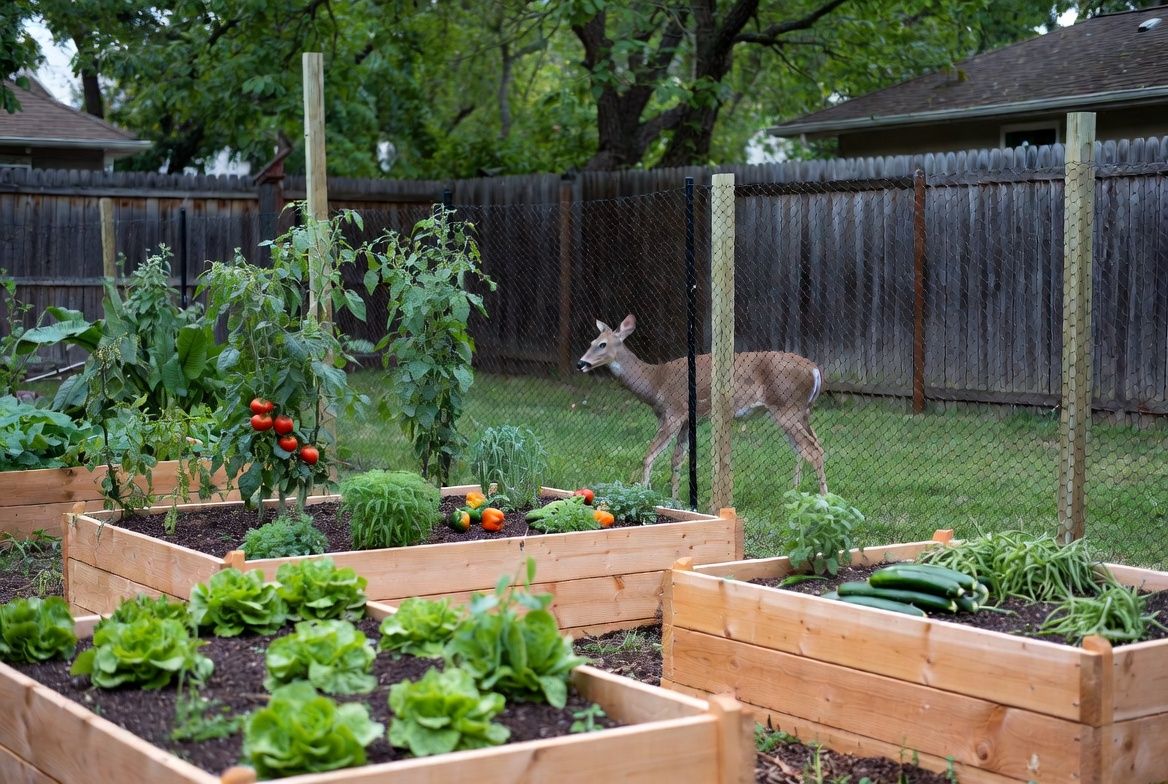

Few things are more frustrating than walking out to your vegetable garden and finding tomato plants stripped, bean vines chewed down, or lettuce eaten to the ground overnight. Deer may look peaceful, but once they discover a dependable food source, they can turn a backyard garden into a nightly buffet. The honest answer is this: if deer are already visiting your yard, sprays and tricks alone probably will not solve the problem. The best way to keep deer out of your vegetable garden is to physically block them, then use repellents, smart garden placement, and less tempting plantings as backup.
Why Deer Keep Coming Back to Vegetable Gardens
Vegetable gardens are especially attractive to deer because they offer soft, tender, high-moisture growth in one convenient place. Young beans, peas, lettuce, sweet potato vines, tomato foliage, strawberry plants, and new shoots are easy targets. Deer also learn patterns quickly. If they find food in your garden once, they are likely to return, especially at dawn, dusk, or overnight when the yard is quiet. That is why the goal is not just to scare deer once. The goal is to make your garden consistently difficult, confusing, or unrewarding to enter.
The Best Way to Keep Deer Out: Build a Real Fence
If you are serious about protecting vegetables, start with a fence. Deer can jump surprisingly high, especially when they have a clear landing area on the other side. A short decorative fence may look nice, but it usually will not stop hungry deer. Oregon State University Extension notes that the only truly reliable way to keep deer out of a vegetable or ornamental garden is with a fence tall enough that deer cannot jump over it, which is why fencing should be the first line of defense rather than the last resort. Learn more from Oregon State University Extension. For heavy deer pressure, the strongest option is an 8-foot deer fence around the vegetable garden. This can be woven wire, deer netting, or another sturdy garden fencing material designed to exclude deer. Keep the bottom tight to the ground so deer cannot push under it, and do not forget the gate. A weak, sagging, or low gate can ruin an otherwise good fence.

Fence Options That Work Best
- 8-foot deer fencing: Best for serious or repeated deer damage.
- Temporary deer netting: Useful for seasonal vegetable gardens or raised beds.
- Double fencing: Two shorter fences placed a few feet apart can discourage jumping because deer dislike landing in tight spaces.
- Electric fencing: Can be effective, but it must be installed and maintained correctly.
- Individual crop cages: Good for protecting a few raised beds, berry bushes, or especially valuable plants.
If your garden is small, fencing only the vegetable beds may be easier and cheaper than trying to fence the entire yard. The University of Minnesota Extension also recommends physical barriers for deer control, including tall fencing for larger areas and smaller micro-exclosures for compact garden spaces where deer do not feel comfortable jumping in. See the University of Minnesota Extension deer-control guide.
Protect Raised Beds With Simple Covers
Raised beds are easier to defend than large in-ground gardens. You can add hoops, wire panels, mesh covers, or removable cages over the beds. This is especially useful for lettuce, beans, peas, strawberries, and young seedlings. For crops that need pollination, avoid leaving fine netting on flowers all day unless pollinators can still reach them. A better approach is to cover vulnerable plants at night and remove or open the covers during the day when bees and other pollinators are active. If you are building a vegetable garden that also supports pollinators, keep flowering plants nearby but outside the most protected vegetable area. For more ideas, see how to start a butterfly garden and this guide to the best native wildflowers for a pollinator garden.
Use Deer Repellents as a Backup, Not the Main Plan
Deer repellents can help, but they are not magic. They work best before deer develop a feeding habit in your garden. Once deer know your tomatoes and beans are easy food, repellents become less reliable. Penn State Extension recommends using repellents as part of a broader deer-control plan and applying them early, before deer establish a regular feeding pattern in the garden. Read Penn State Extension’s deer repellent guidance. For best results, apply repellents early in the season, rotate products, and reapply after rain or new plant growth. Many repellents rely on bad smells or unpleasant tastes, so they need to stay fresh to be effective. Do not spray repellents directly on edible parts of vegetables unless the product label clearly says it is safe for that use. Always follow the label. For edible crops, it is often better to spray the perimeter, fencing, nearby foliage, or non-edible parts of plants rather than the harvest itself.
Plant “Deer-Resistant” Borders Carefully
Deer-resistant plants can reduce browsing pressure, but they will not create a deer-proof wall. Hungry deer may sample almost anything, especially during drought, late winter, or periods when natural food is limited. Still, it can help to place strongly scented herbs and tougher ornamental plants around the outside of the vegetable garden. Lavender, rosemary, sage, thyme, chives, mint in containers, yarrow, bee balm, and coneflowers may be less appealing than tender vegetables. Just do not rely on them as your only defense. Coneflowers are especially useful if you want a garden that supports pollinators while adding a tougher flowering plant near the vegetable area. See how to grow coneflowers for planting tips.
Keep the Garden Less Inviting
You cannot control every deer in the neighborhood, but you can make your garden less attractive. Harvest ripe vegetables promptly, clean up fallen fruit, and avoid leaving piles of lush pulled weeds near the beds. Tender new growth is exactly what deer are looking for. Garden layout matters too. If your vegetable garden sits beside woods, a brushy fence line, or a quiet corner of the yard, deer may feel safer approaching it. Placing the garden closer to daily activity, lighting, dogs, patios, or open sight lines may reduce visits. Smart plant combinations can also help you make better use of protected space. For crop-pairing ideas, read companion planting: which vegetables grow better together.
Scare Tactics Usually Stop Working
Motion lights, sprinklers, shiny tape, radios, and garden ornaments may startle deer briefly. The problem is that deer often get used to them. If nothing bad happens after the noise, flash, or spray, they learn to ignore it. If you use scare tactics, move them often and combine them with fencing or repellents. A motion sprinkler near a garden entrance may help, but it should not be your entire deer-control plan.
Check for Weak Spots Every Week
Deer are persistent. A fence that worked in May may fail in July if the gate sags, the netting loosens, or vines weigh down one side. Walk the perimeter weekly and look for gaps, pushed-up edges, broken stakes, or places where deer may be entering. Pay special attention after storms, heavy wind, mowing, or garden work. Many deer problems happen because the barrier was good at first but was not maintained.
What Not to Waste Time On
Human hair, soap bars, aluminum pans, and homemade scent tricks may make gardeners feel like they are doing something, but they are not dependable long-term solutions. They might buy you a little time, but they will not protect a high-value vegetable garden from regular deer visits. The same goes for planting one or two “deer-resistant” plants and expecting deer to avoid the whole area. Deer are browsers. If they are hungry enough, they will test plants.
The Best Deer-Control Plan for a Vegetable Garden
For the most reliable results, use a layered plan:
- Fence the vegetable garden or raised beds.
- Keep gates tight and the bottom edge secure.
- Protect young plants with cages or covers.
- Use repellents early and rotate them.
- Harvest promptly and remove tempting debris.
- Use pollinator-friendly, less deer-preferred plants around the garden as backup.
If you only want to save a few plants, cages and covers may be enough. If you want a dependable vegetable harvest year after year, build the fence. It is less exciting than homemade tricks, but it works.
Final Answer: Fence First, Repel Second
The best way to keep deer out of your vegetable garden is to stop treating them like occasional visitors and start treating them like repeat customers. Once deer learn your garden has easy food, they will keep checking it. A sturdy fence, secure gate, protected raised beds, and consistent maintenance will do more than any single spray, scent, or scare device. Repellents and deer-resistant borders can help, but they should support the main strategy—not replace it.
Share this article

Hi, I’m Andrew — the passionate backyard enthusiast behind Butterflies, Birds & Blooms.
I’m not a biologist, master gardener, or certified expert by any stretch. I’m simply someone who fell in love with the magic that happens right outside my own back door. There’s nothing quite like spotting the first monarch of the season, hearing the cheerful chatter of birds at the feeder, or watching flowers bloom and bring life to the garden.
What started as a personal hobby quickly grew into a desire to share the joy, simple tips, and everyday wonders of creating a backyard that welcomes butterflies, birds, and beautiful blooms. Whether you’re a complete beginner or a seasoned nature lover, this little corner of the internet is for all of us who find peace, wonder, and happiness in our gardens.
You’ll find practical gardening ideas, seasonal observations, canning adventures from the “Bushel Basket,” and plenty of real-life stories from my own yard on a steep hill just outside Nashville. No fancy jargon, no gatekeeping — just genuine love for nature and a community of like-minded folks.
Join me as we learn together, celebrate the small wins, and make our backyards a little more alive with butterflies, birds, and blooms.

Join the discussion
Sign in to join the discussion
Comments are open to BBB members. Sign in to your free account to share your experience, ask questions, and reply to other readers.
Free to join. No credit card. Founding Member badge for the first 500 spots.