

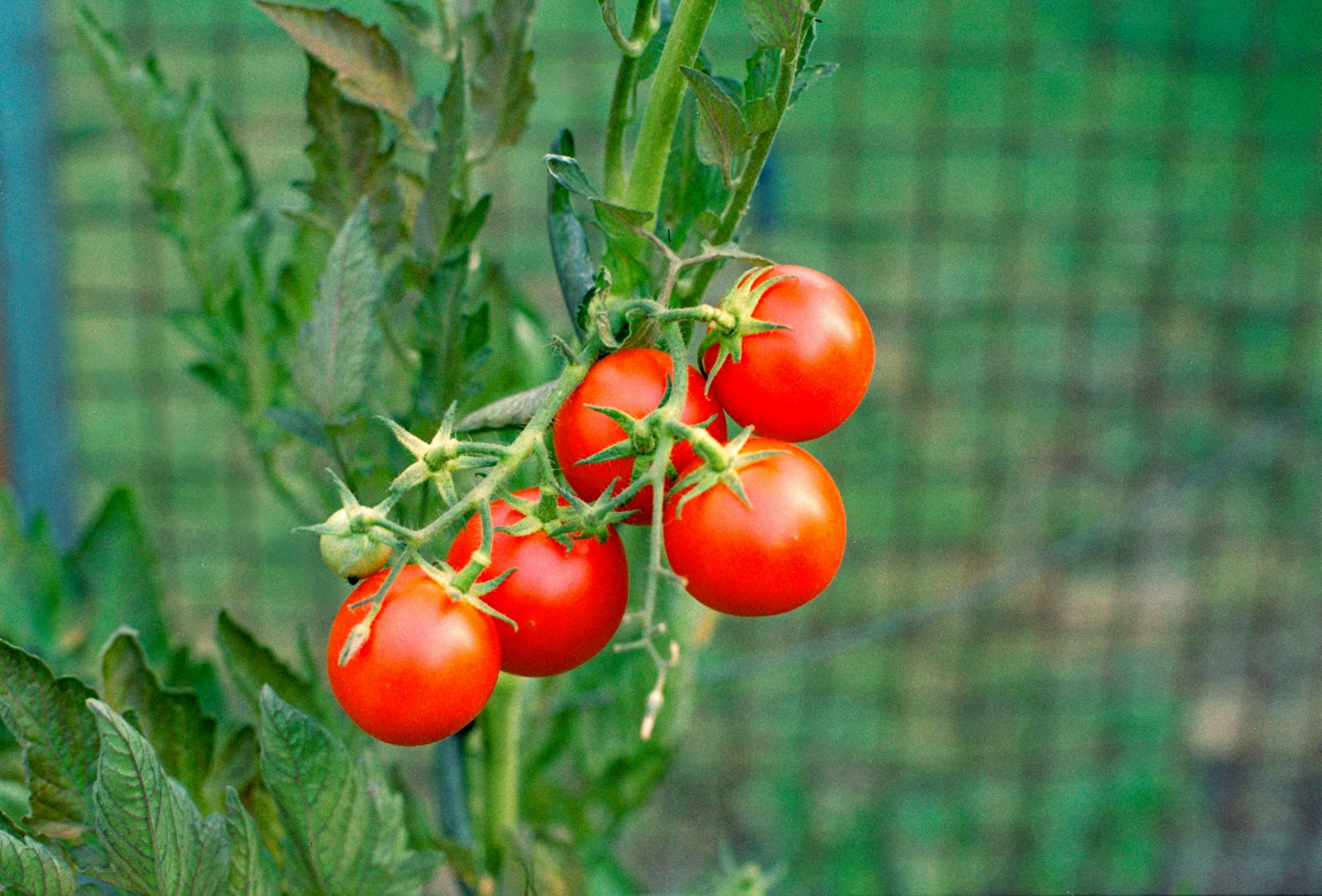

How to Grow Flavorful Tomatoes Starts With Variety
The biggest flavor decision happens before you plant anything. Tomato varieties are not equal. Some are bred for shipping, uniform size and shelf life. Others are bred for garden flavor, sweetness, acidity, texture and aroma. For the best backyard harvest, plant more than one type. A smart mix gives you reliability and flavor instead of betting the whole season on one plant.
| Tomato Type | Best Use | Flavor Notes |
|---|---|---|
| Cherry tomatoes | Snacking, salads, containers | Usually sweet, productive and beginner-friendly |
| Heirloom slicers | Sandwiches, fresh eating | Often rich, complex and less uniform |
| Paste tomatoes | Sauce, roasting, canning | Meaty texture with less juice |
| Disease-resistant hybrids | Humid gardens, beginners, high-yield beds | Reliable production, though flavor varies by variety |
Good Tomato Varieties for Flavor
- Sun Gold – a very sweet orange cherry tomato that is one of the easiest ways to get big flavor from a small fruit.
- Black Cherry – sweet, rich and more complex than many standard cherry tomatoes.
- Cherokee Purple – a classic dark heirloom with a rich, savory flavor.
- Brandywine – famous for flavor, though not always the most productive or disease-resistant plant.
- Black Krim – deep-colored, juicy and slightly smoky tasting.
- San Marzano – a paste tomato suited for sauces, roasting and cooking down.
- Celebrity – a dependable hybrid for gardeners who want disease resistance and steady production.
Do not plant only heirlooms if your garden has heavy disease pressure. Heirlooms can taste excellent, but some are more vulnerable to common tomato diseases. A stronger plan is to grow a few heirlooms for flavor, one cherry tomato for reliable sweetness and one disease-resistant hybrid as backup.

Give Tomatoes Full Sun for Better Flavor
Tomatoes need direct sun to produce strong plants and full-flavored fruit. The University of Minnesota Extension tomato growing guide describes tomatoes as heat-loving plants that need full sun and a long, frost-free season. Aim for at least six hours of direct sunlight per day. Seven to eight hours is better, especially for large slicing tomatoes. A tomato plant in partial shade may survive and even produce fruit, but the tomatoes often taste flatter. Less sun means less energy for the plant, slower ripening and less sugar development in the fruit. Morning sun is especially useful because it dries leaves early in the day. Drier foliage can help reduce disease pressure in humid gardens.
Prepare Soil Before You Plant Tomatoes
Tomatoes grow best in fertile, well-drained soil with steady moisture and plenty of organic matter. Before planting, mix finished compost into the bed. Compost improves soil structure, helps hold moisture and supports soil life. Tomatoes generally prefer mildly acidic to neutral soil, roughly around pH 6.0 to 7.0. If you are serious about improving your vegetable garden, get a soil test instead of guessing. A soil test tells you whether you need lime, fertilizer or nothing at all. Avoid fresh manure. It can be too strong, may contain weed seeds, and can introduce pathogens if it has not been properly composted. Finished compost or well-rotted composted manure is safer.
Plant Tomatoes Deep for Stronger Roots
Tomatoes can form roots along buried stems. When transplanting, remove the lowest leaves and plant the seedling deeper than it grew in the pot, leaving the top set of leaves above the soil. If a seedling is tall and leggy, plant it sideways in a shallow trench and gently angle the top upward. The buried stem will root, giving the plant a stronger base and better access to water and nutrients.
Support Tomato Plants Early
Put cages, stakes or trellises in place when you plant. Waiting until the plant is large is a common mistake. You can damage roots and break stems trying to force a heavy tomato plant into support later. Indeterminate tomatoes keep growing until frost and need strong support. Large heirlooms can overwhelm flimsy cages. Determinate tomatoes stay shorter, but they still benefit from support because fruit-heavy branches can bend or snap.
Water Consistently to Grow Flavorful Tomatoes
Watering has a direct effect on tomato quality. Tomatoes need consistent moisture, especially when they are flowering and setting fruit. Letting soil swing from dry to soaked can lead to cracking, blossom-end rot and uneven ripening. The University of Minnesota Extension guide to tomato disorders notes that growth cracks often happen after rain or watering follows a period of drought. Water deeply at the base of the plant instead of spraying the leaves. Deep watering encourages deeper roots. Keeping leaves dry also helps reduce disease problems.
Simple Tomato Watering Rule
Most in-ground tomato plants need about 1 to 2 inches of water per week from rain or irrigation, depending on heat, soil type and plant size. Containers may need water daily in hot weather because potting mix dries quickly. Do not intentionally drought-stress your tomatoes because someone said it will “concentrate flavor.” A slightly overwatered tomato may taste watery, but severe water stress causes bigger problems: blossom-end rot, cracked fruit, flower drop and poor yields. The better goal is steady moisture, not punishment.
Mulch Tomatoes After the Soil Warms
Once the soil is warm, add a 2- to 4-inch layer of straw, shredded leaves, untreated grass clippings or another clean organic mulch around the plants. Keep mulch a few inches away from the stem. Mulch helps keep soil moisture steady, reduces weeds and prevents soil from splashing onto lower leaves. The University of Minnesota Extension explains that mulching supports soil and garden health by suppressing weeds and helping protect the soil surface. Soil splash matters because many tomato diseases start near the lower foliage.
Fertilize Tomatoes Without Diluting Flavor
More fertilizer does not automatically mean better tomatoes. Too much nitrogen can produce large leafy plants with fewer tomatoes. It can also make disease and fruit-quality problems worse. Use a balanced vegetable fertilizer according to the label, or follow your soil test recommendations. Once plants begin flowering and setting fruit, avoid pushing excessive leafy growth. The goal is a balanced plant that can support fruit, not a tomato vine that looks impressive but produces little.
Skip the Epsom Salt Myth
Epsom salt is not a magic tomato flavor booster. It supplies magnesium, but that only helps if your soil is actually deficient in magnesium. The University of Minnesota Extension warns against common soil-health home remedies and notes that Epsom salts will not prevent blossom-end rot. Adding magnesium without a soil-test reason can create nutrient imbalances and may interfere with calcium uptake.
Prune Tomatoes for Airflow, Not as a Hobby
Tomatoes do not need to be stripped bare. Leaves feed the plant and protect fruit from sunscald. Over-pruning can reduce plant energy and expose tomatoes to harsh sun. Remove leaves that touch the ground, yellowing leaves and crowded growth that blocks airflow. For indeterminate tomatoes, you can remove some suckers to keep the plant manageable, especially if you are staking. But leave enough foliage to shade developing fruit.
Use Companion Planting Around Tomatoes the Smart Way
Companion planting will not magically make tomatoes sweeter, but it can help create a healthier garden. Basil, parsley, alyssum, marigolds, calendula and other nearby flowers can support beneficial insects and make the vegetable bed more resilient. For a wider vegetable layout, see which vegetables grow better together.
Attract Pollinators, But Know What Tomatoes Actually Need
Tomatoes are self-fertile, which means each flower has the parts needed to make fruit. They do not need butterflies to produce tomatoes. However, tomato flowers still benefit from movement. Wind can shake pollen loose, and bumble bees can improve pollination through vibration. Ohio State University Extension explains how bumble bees are used for tomato pollination because they can vibrate tomato flowers and release pollen. This is where a flower-rich yard helps. Nearby blooms support bees and beneficial insects that improve the whole garden ecosystem. To build that kind of yard, start with native wildflowers for a pollinator garden or learn how to start a butterfly garden. For long-blooming flowers near the vegetable garden, coneflowers are a practical choice in many sunny yards. Here is more on how to grow coneflowers. Keep flowering plants blooming longer by learning how to deadhead flowers.
Harvest Tomatoes at the Right Time
For the best flavor, let tomatoes ripen on the plant when possible. Pick them when they have developed full color for their variety and feel firm but not hard. A ripe tomato should have a little give without feeling soft or watery. If heavy rain is coming and your tomatoes are nearly ripe, pick them before the storm. A sudden rush of water can cause ripening tomatoes to split. Tomatoes that have started to color can finish ripening indoors at room temperature.
Store Tomatoes Correctly After Harvest
Do not refrigerate unripe tomatoes. Cold temperatures slow ripening and can damage flavor and texture. Oregon State University’s Food Hero program recommends keeping whole tomatoes at room temperature for best flavor, in a single layer and away from sunlight. Fully ripe tomatoes are best eaten soon after picking. If they are becoming overripe and you cannot use them in time, refrigeration is acceptable to prevent waste. Bring chilled tomatoes back to room temperature before eating for better flavor.
How to Grow Flavorful Tomatoes in Containers
You can grow excellent tomatoes in containers, but the pot has to be large enough. Small pots dry out fast and stress the plant. For most tomatoes, use a large container with drainage holes and high-quality potting mix. Cherry tomatoes, patio tomatoes and dwarf varieties are usually easier in containers than giant indeterminate heirlooms. Container tomatoes need consistent watering and regular feeding because nutrients wash through potting mix faster than they do in garden soil.
Common Mistakes That Make Tomatoes Taste Bland
- Choosing the wrong variety: flavor starts with genetics.
- Planting in too much shade: tomatoes need strong sun for good ripening.
- Overfertilizing with nitrogen: this pushes leaves at the expense of fruit.
- Watering unevenly: dry-to-soaked swings cause cracking and quality problems.
- Skipping mulch: bare soil dries faster and splashes disease onto leaves.
- Over-pruning: too much leaf removal can cause sunscald and weaker plants.
- Picking too early: pale, underripe tomatoes rarely taste rich.
- Refrigerating too soon: cold storage can dull flavor before tomatoes finish ripening.
Quick Plan for Better-Tasting Tomatoes
- Choose one sweet cherry tomato, one flavor-focused slicer and one reliable hybrid.
- Plant in the sunniest spot available.
- Improve the soil with finished compost before planting.
- Plant seedlings deep and install support immediately.
- Water deeply and consistently at the base.
- Mulch after the soil warms.
- Fertilize moderately and avoid excess nitrogen.
- Prune only for airflow and plant management.
- Harvest when fruit is fully colored and slightly firm.
- Ripen and store tomatoes at room temperature whenever possible.
FAQ: How to Grow Flavorful Tomatoes
What makes homegrown tomatoes taste better?
Variety, sunlight, steady moisture, healthy soil and proper ripening make the biggest difference. A tomato bred for flavor and ripened on a healthy plant will usually taste better than a commercial tomato bred mainly for shipping and shelf life.
Are heirloom tomatoes always better?
No. Many heirlooms have excellent flavor, but they can be less productive or more disease-prone. Grow heirlooms for flavor, but include at least one reliable hybrid if you garden in a humid area or have recurring tomato disease problems.
Does Epsom salt make tomatoes taste better?
No, not unless your soil has a magnesium deficiency. Epsom salt is often promoted as a cure-all for tomatoes, but it does not prevent blossom-end rot and is not a proven flavor booster in soil that already has enough magnesium.
Should I stop watering tomatoes before harvest?
No. Do not severely withhold water. Keep soil moisture consistent. Avoid overwatering near harvest, but drought-stressing the plant can cause cracking, blossom-end rot and poor yields.
Why are my tomatoes watery?
Watery tomatoes can come from variety choice, too much water near harvest, low sunlight, poor ripening or picking fruit before it has developed full flavor.
Do tomatoes need bees?
Tomatoes are self-fertile, so they do not require bees the way squash, cucumbers and melons do. But bumble bees can improve pollination by vibrating tomato flowers and helping pollen release.
Can tomatoes grow in pots?
Yes. Use a large container with drainage holes, full sun, quality potting mix, steady water and regular feeding. Cherry and patio tomatoes are usually easier in containers than large indeterminate heirlooms.
Final Takeaway
Flavorful tomatoes are not an accident. Start with varieties known for taste, give them full sun, build healthy soil, water consistently and harvest at the right time. Do that, and you will grow tomatoes that taste like summer instead of the grocery store.
Share this article

Hi, I’m Andrew — the passionate backyard enthusiast behind Butterflies, Birds & Blooms.
I’m not a biologist, master gardener, or certified expert by any stretch. I’m simply someone who fell in love with the magic that happens right outside my own back door. There’s nothing quite like spotting the first monarch of the season, hearing the cheerful chatter of birds at the feeder, or watching flowers bloom and bring life to the garden.
What started as a personal hobby quickly grew into a desire to share the joy, simple tips, and everyday wonders of creating a backyard that welcomes butterflies, birds, and beautiful blooms. Whether you’re a complete beginner or a seasoned nature lover, this little corner of the internet is for all of us who find peace, wonder, and happiness in our gardens.
You’ll find practical gardening ideas, seasonal observations, canning adventures from the “Bushel Basket,” and plenty of real-life stories from my own yard on a steep hill just outside Nashville. No fancy jargon, no gatekeeping — just genuine love for nature and a community of like-minded folks.
Join me as we learn together, celebrate the small wins, and make our backyards a little more alive with butterflies, birds, and blooms.

Join the discussion
Sign in to join the discussion
Comments are open to BBB members. Sign in to your free account to share your experience, ask questions, and reply to other readers.
Free to join. No credit card. Founding Member badge for the first 500 spots.