
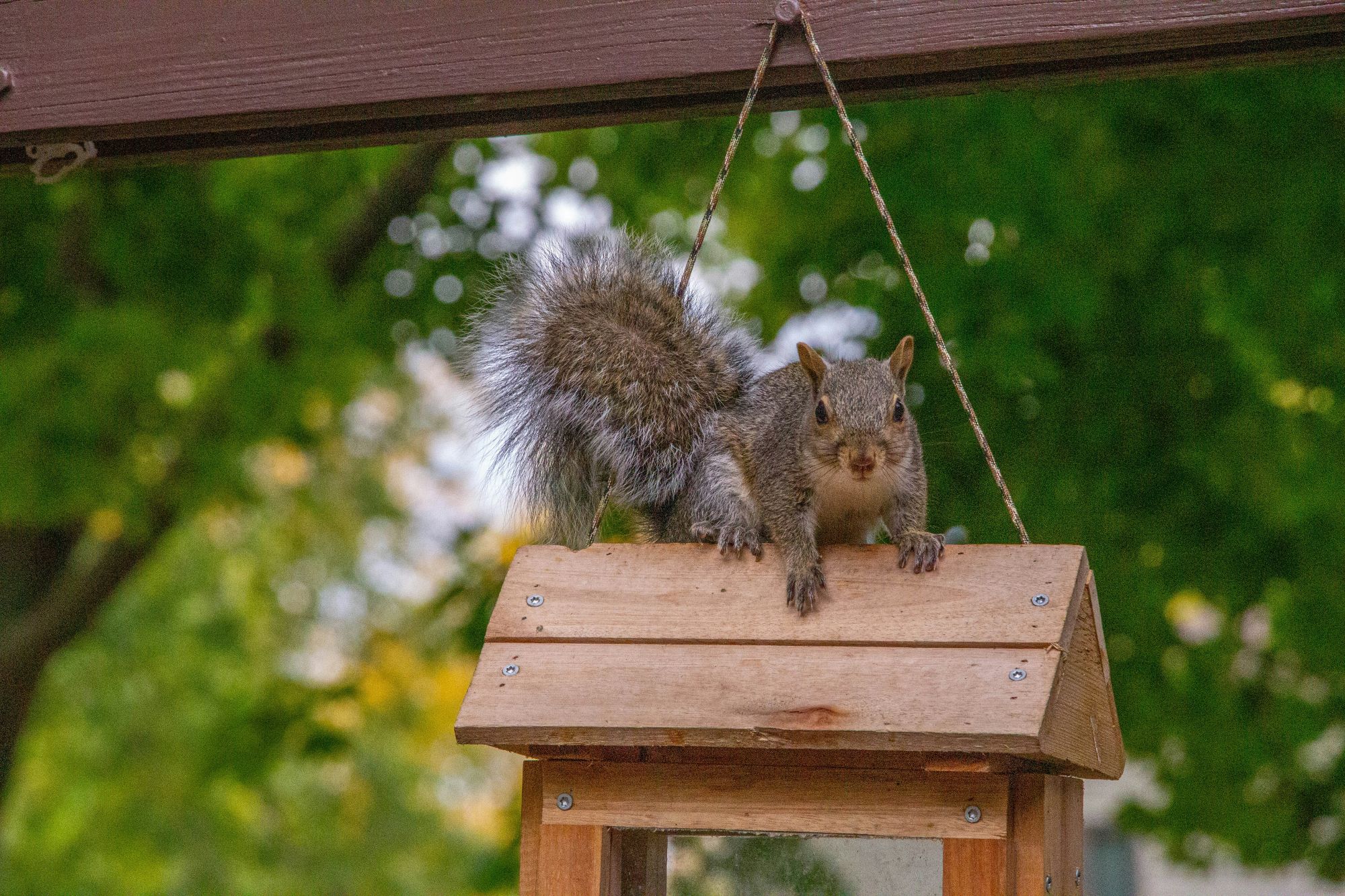

Squirrels are smart, persistent and athletic, which is exactly why keeping them off bird feeders can feel like a full-time job. The goal is not to “beat” squirrels forever with one magic product. The goal is to make your feeder setup difficult enough that squirrels stop seeing it as an easy meal. The best way to keep squirrels off your bird feeders is to combine smart feeder placement, a sturdy baffle, the right feeder style and cleaner seed habits. One fix rarely works by itself. A layered setup works much better.
Why Squirrels Keep Getting Into Bird Feeders
Squirrels are not just casually visiting your feeders. They are targeting a high-calorie food source that is easier than foraging. Sunflower seed, peanuts and suet are especially attractive because they are fatty, dense and easy to steal. They also have three advantages most backyard birders underestimate: they climb, they jump and they learn. A squirrel that fails once may come back from a different angle the next day. That is why a feeder that looks “squirrel proof” in the package can still fail in the yard. Cornell Lab of Ornithology notes that it is hard to make a feeder completely safe from squirrels, so the realistic approach is to reduce access and make the feeder less rewarding for them. For more feeder basics, see our guide on how to choose the right bird feeder for your backyard.
Start With the Right Location
Before buying another feeder, look at where your current feeder is hanging. Squirrels usually beat bird feeders because the feeder is too close to a launch point. Keep bird feeders away from trees, fences, deck rails, porch posts, patio furniture, shepherd hooks, sheds and anything else a squirrel can use as a jumping platform. A feeder that is “high enough” is still vulnerable if a squirrel can leap sideways or drop down from above. A good starting rule is this: place the feeder in an open area, at least several feet off the ground, and far from anything squirrels can jump from. If your feeder hangs from a tree branch, you have already given squirrels the advantage.

Use a Pole-Mounted Feeder With a Baffle
The most reliable setup for many yards is a feeder mounted on a smooth metal pole with a properly placed squirrel baffle. A baffle is a dome, cone or cylinder-shaped barrier that blocks squirrels from climbing up the pole or dropping down onto the feeder. Penn State Extension recommends baffles as one of the main tools for reducing squirrel access to bird feeders. The important detail is placement. A baffle that is too low, too narrow or too close to another launch point will not solve the problem. For pole-mounted feeders, use a wide, wobbling or smooth baffle below the feeder. The bottom of the baffle should be high enough that squirrels cannot simply jump over it from the ground. The feeder itself should also be far enough from nearby trees, walls and fences that squirrels cannot bypass the baffle completely.
Choose the Right Squirrel-Resistant Feeder
Some feeders are better than others if squirrels are a constant problem. Look for designs that physically limit squirrel access instead of relying on flimsy plastic parts. Good options include:
- Weight-sensitive feeders: These close the seed ports when a squirrel lands on the perch.
- Caged feeders: These allow small birds through the outer cage while blocking squirrels and larger birds.
- Metal feeders: These are harder for squirrels to chew through than plastic or wood.
- Tube feeders with short perches: These make it harder for squirrels to balance and feed comfortably.
A cheap feeder with plastic seed ports is a weak spot. Squirrels can chew openings wider, damage lids and learn how to shake seed loose. If you are replacing a feeder, prioritize durability over decoration.
Stop Seed From Falling on the Ground
Spilled seed is an invitation. Once squirrels learn that food is scattered below the feeder, they will keep checking the area. They may start on the ground and eventually work their way up to the feeder. Use a seed tray, choose a no-mess seed blend or feed one seed type at a time so birds are not digging through the mix and tossing unwanted seed aside. Cheap seed blends with filler grains often create more waste because many backyard birds ignore the ingredients they do not want. If birds are not eating the seed you offer, squirrels may be getting the benefit instead. Our article on why birds are not coming to your feeder explains common seed, placement and safety problems that can reduce bird activity.
Try Safflower Seed
Safflower seed is often less attractive to squirrels than black oil sunflower seed, though it is not a guaranteed fix. Cardinals, chickadees, titmice, nuthatches and some finches may eat it, while many squirrels show less interest. The downside is that some birds need time to adjust. If your feeder has always offered sunflower seed, switching overnight may reduce bird traffic for a while. A better approach is to test safflower in one feeder while keeping another feeder familiar.
Use Hot Pepper Bird Seed Carefully
Hot pepper bird seed can help because mammals are sensitive to capsaicin, the compound that makes peppers taste hot, while birds do not react to it the same way. Clemson Extension notes that capsaicin-covered feed can reduce visits from squirrels and other mammals. That said, do not turn this into a messy DIY project with loose cayenne powder blowing around your yard. Powder can irritate eyes, noses and skin. If you use this method, buy a commercial hot pepper bird seed product and follow the label directions. This is a secondary tactic, not the foundation of your squirrel strategy. Feeder placement and baffles still matter more.
Protect Suet Feeders From Squirrels
Suet is especially tempting to squirrels because it is rich and easy to chew. If squirrels are destroying suet cakes, switch to a caged suet feeder or hang the suet from a baffled pole rather than a tree branch. You can also offer suet only during colder months, when it is most useful to birds and less likely to become soft or messy. In warm weather, suet can melt, spoil or attract more unwanted visitors.
Do Not Grease the Pole
Greasing a feeder pole with petroleum jelly, cooking oil or automotive grease is a bad idea. It can get on squirrel fur and bird feathers, and it does not solve the underlying problem. It also creates a sticky mess that collects dirt and seed hulls. Use a physical baffle instead. It is cleaner, safer and more effective.
Do Not Use Poison, Glue or Traps
Squirrels at bird feeders are annoying, but poison and glue traps are the wrong response. They can harm squirrels, pets, birds of prey and other wildlife. Relocating squirrels is also not a practical long-term solution because new squirrels will move into the same food source if the feeder setup stays the same. The smarter approach is exclusion: block access, reduce spilled seed and make the feeder less rewarding.
Store Bird Seed Properly
If squirrels are chewing through seed bags in your garage, shed or porch, the feeder is not the only problem. Store bird seed in a metal container with a tight lid. Plastic bins are better than bags, but squirrels and rodents can still chew through them. Seed storage matters for bird health, too. Wet or stale seed can reduce bird activity and create mold issues. If you feed finches, see our guide on why nyjer seed is not attracting goldfinches, because freshness is one of the biggest problems with that seed.
Clean Around the Feeder Often
A squirrel problem often becomes worse when the area under the feeder is ignored. Rake or sweep up hulls, spilled seed and old food regularly. Cornell recommends cleaning feeders about every couple of weeks, and more often during heavy use, wet weather or disease concerns. Cleaner feeding stations are better for birds and less attractive to squirrels, mice, rats and raccoons. If you are serious about feeding birds, feeder maintenance is not optional.
Consider a Squirrel Feeding Station — But Be Realistic
Some people try to distract squirrels with corn, peanuts or a separate squirrel feeder away from the bird feeders. This can work in some yards, but it can also backfire by attracting more squirrels. If you try it, put the squirrel feeding area far from your bird feeders and do not overfeed. The goal is distraction, not building a squirrel buffet that increases the local population pressure around your yard.
Use Native Plants as a Longer-Term Bird Strategy
Bird feeders are useful, but they are not the only way to support birds. Native plants provide seeds, berries, insects, cover and nesting habitat without creating the same squirrel battle at a single feeding station. Adding more native flowers, shrubs and trees can make your yard better for birds while reducing dependence on feeders. Start with our list of the best native wildflowers for a pollinator garden. A stronger habitat brings in birds, butterflies, bees and other beneficial wildlife.
Best Setup to Keep Squirrels Off Bird Feeders
For most backyards, the best squirrel-resistant setup looks like this:
- A smooth metal pole placed in an open area
- A properly installed squirrel baffle below the feeder
- A durable metal or weight-sensitive feeder
- No nearby trees, fences, deck rails or furniture within jumping distance
- A seed tray or no-mess seed to reduce spillage
- Fresh seed stored in a metal container
- Regular cleanup under the feeder
This setup is not complicated, but it does require discipline. Most squirrel problems continue because the feeder is in a bad location or the baffle is missing, too small or poorly placed.
FAQs About Keeping Squirrels Off Bird Feeders
What is the best way to keep squirrels off bird feeders?
The best method is a pole-mounted feeder with a properly placed squirrel baffle, positioned away from trees, fences, roofs and other launch points. Add a durable feeder and reduce spilled seed for better results.
Do squirrel-proof bird feeders really work?
Some work better than others. Weight-sensitive and caged feeders can help, but they work best when combined with good placement and a baffle. A feeder labeled “squirrel proof” can still fail if squirrels can jump directly onto it.
Will cayenne pepper keep squirrels away from bird seed?
Commercial hot pepper bird seed can deter squirrels because mammals react to capsaicin. Avoid loose DIY pepper powders, which can irritate eyes and skin. Use labeled products carefully.
What bird seed do squirrels dislike?
Squirrels often show less interest in safflower seed than sunflower seed or peanuts. It is not foolproof, but it can help reduce squirrel pressure while still attracting birds such as cardinals, chickadees and titmice.
Should I stop feeding birds if squirrels keep coming?
Not necessarily. First, fix the setup. Move the feeder, add a baffle, reduce spilled seed and use a sturdier feeder. If squirrels, raccoons or rodents are overwhelming the area, temporarily taking feeders down can help break the habit.
Final Takeaway
Keeping squirrels off your bird feeders is not about finding one miracle product. It is about removing easy access. Put the feeder in the right place, use a real baffle, choose a sturdy feeder, keep seed off the ground and clean the area regularly. Once the feeder stops being an easy meal, squirrels usually move on to easier opportunities — and your backyard birds get more of the food you intended for them. External sources: Cornell Lab of Ornithology, Penn State Extension, Clemson Extension, Humane Society.
Share this article

Hi, I’m Andrew — the passionate backyard enthusiast behind Butterflies, Birds & Blooms.
I’m not a biologist, master gardener, or certified expert by any stretch. I’m simply someone who fell in love with the magic that happens right outside my own back door. There’s nothing quite like spotting the first monarch of the season, hearing the cheerful chatter of birds at the feeder, or watching flowers bloom and bring life to the garden.
What started as a personal hobby quickly grew into a desire to share the joy, simple tips, and everyday wonders of creating a backyard that welcomes butterflies, birds, and beautiful blooms. Whether you’re a complete beginner or a seasoned nature lover, this little corner of the internet is for all of us who find peace, wonder, and happiness in our gardens.
You’ll find practical gardening ideas, seasonal observations, canning adventures from the “Bushel Basket,” and plenty of real-life stories from my own yard on a steep hill just outside Nashville. No fancy jargon, no gatekeeping — just genuine love for nature and a community of like-minded folks.
Join me as we learn together, celebrate the small wins, and make our backyards a little more alive with butterflies, birds, and blooms.

Join the discussion
Sign in to join the discussion
Comments are open to BBB members. Sign in to your free account to share your experience, ask questions, and reply to other readers.
Free to join. No credit card. Founding Member badge for the first 500 spots.