


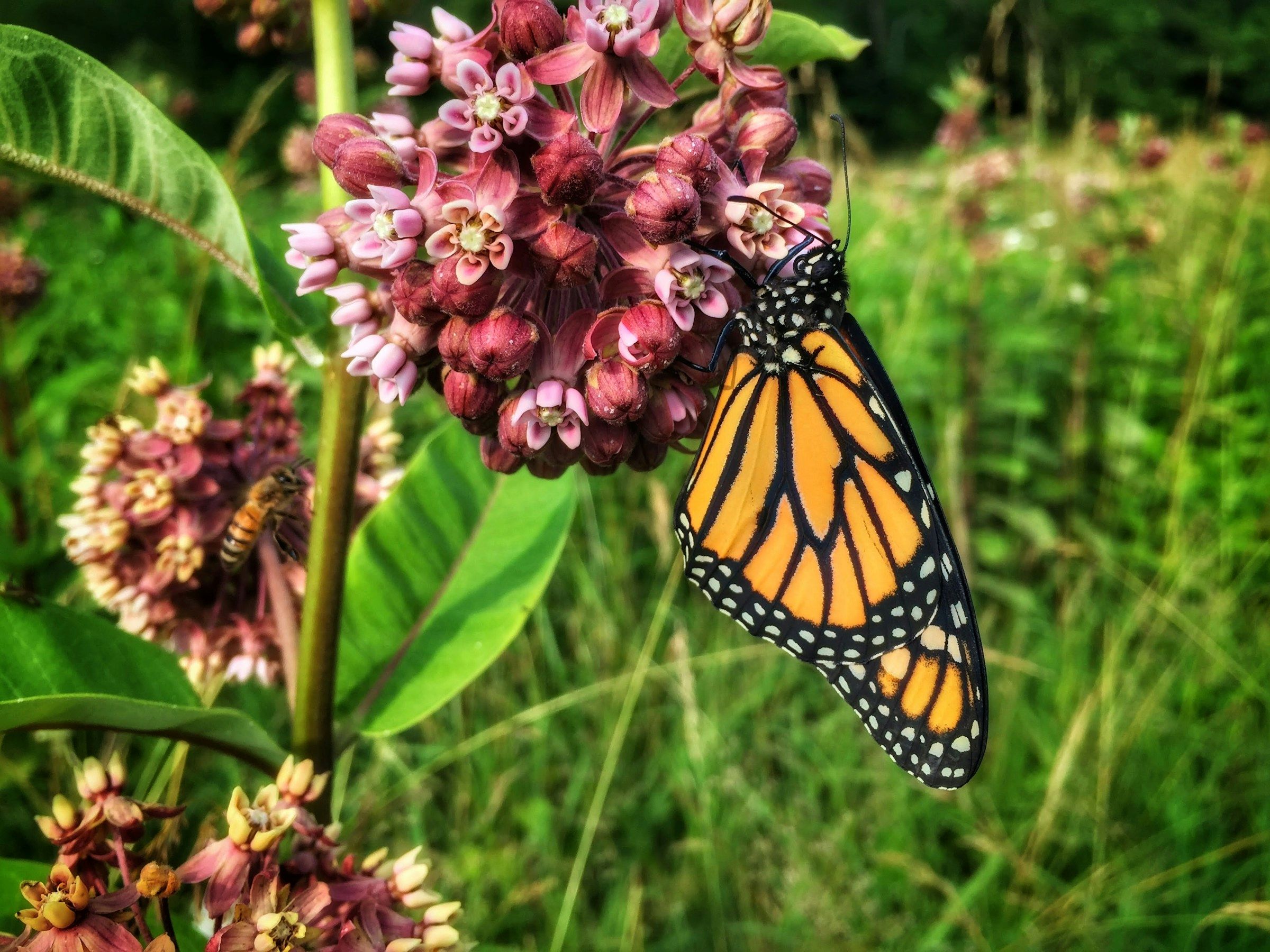
Few sights in nature are as recognizable as the orange-and-black wings of the monarch butterfly. For generations, monarchs have migrated thousands of miles across North America, creating one of the most remarkable migrations in the insect world. But today, that migration is in trouble. Monarch butterfly populations have declined sharply over the last several decades because of habitat loss, pesticide and herbicide use, climate pressure, and shrinking overwintering habitat. The biggest issue for home gardeners to understand is simple: monarchs need milkweed.
The concern is serious enough that the U.S. Fish and Wildlife Service proposed listing the monarch butterfly as a threatened species under the Endangered Species Act in December 2024. That proposed listing is not final, and monarchs are not currently federally listed under the ESA. The IUCN currently classifies the migratory monarch as vulnerable, not endangered.
Why Monarch Butterfly Habitat Loss Matters
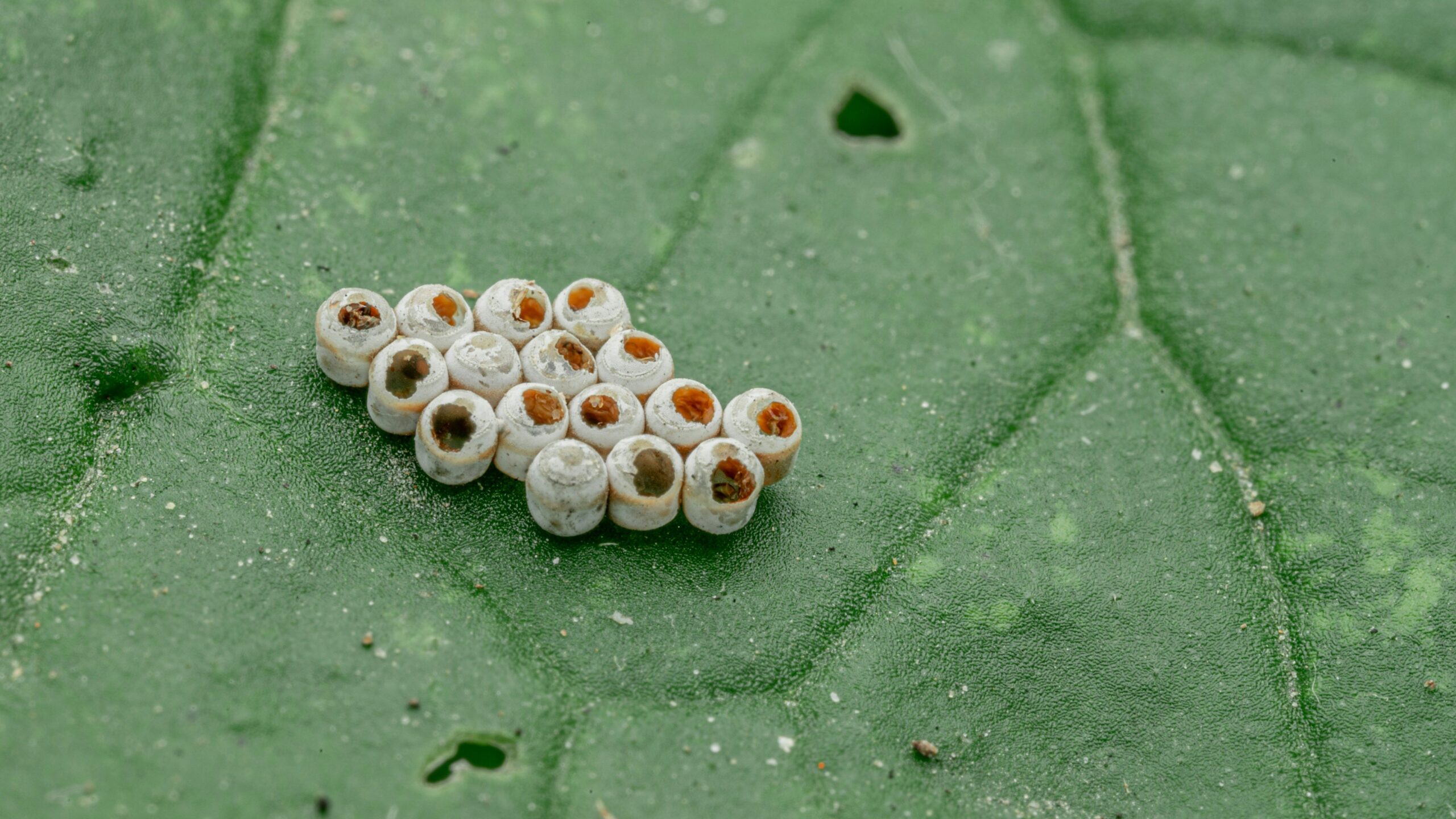
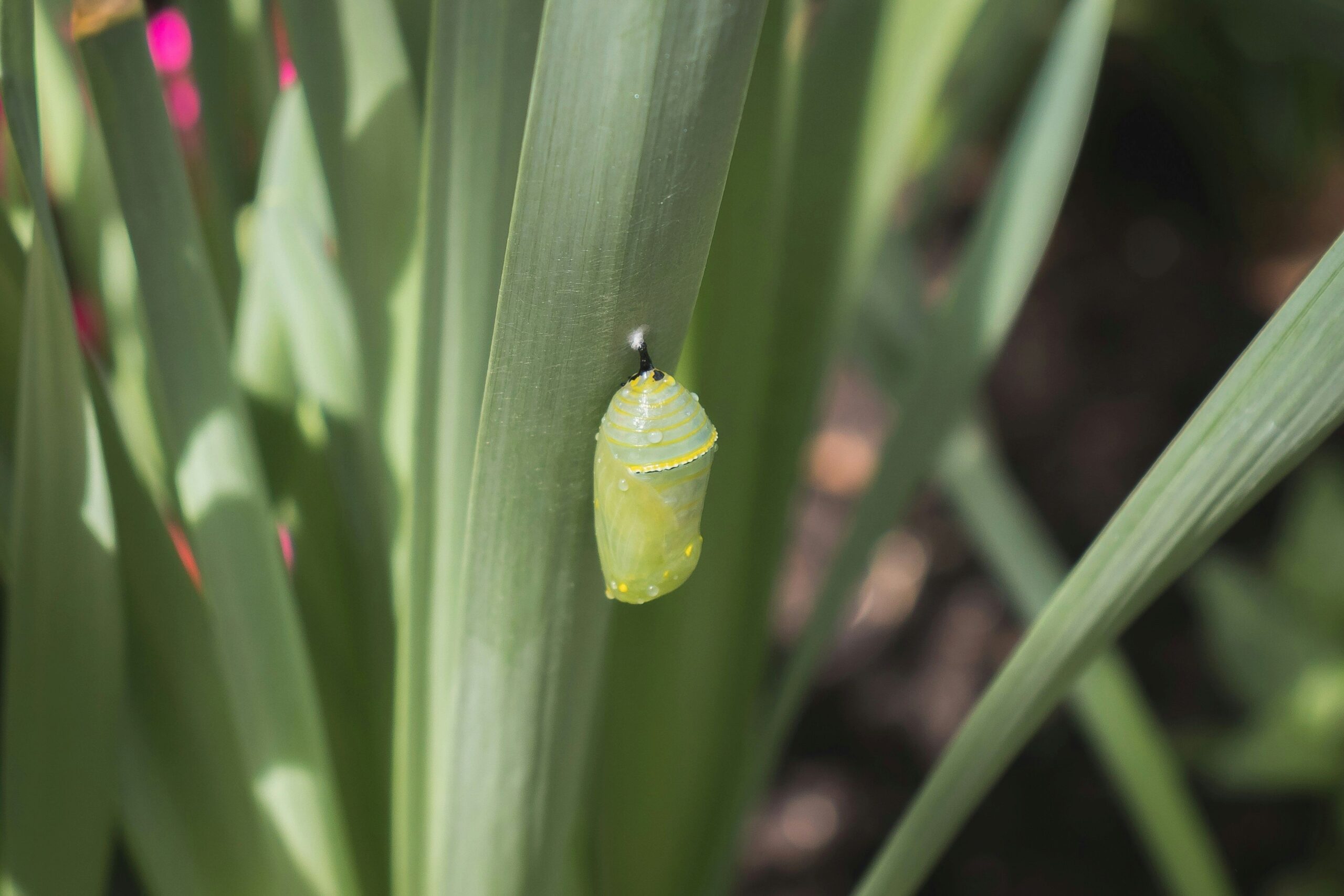
Monarch butterfly habitat is not just about pretty flowers. Monarchs need specific plants at different stages of life. Adult butterflies need nectar-rich flowers for energy, while monarch caterpillars need milkweed to survive. Without enough habitat, monarchs have fewer places to lay eggs, feed, rest, and complete their migration.

Why Milkweed Is Essential for Monarchs
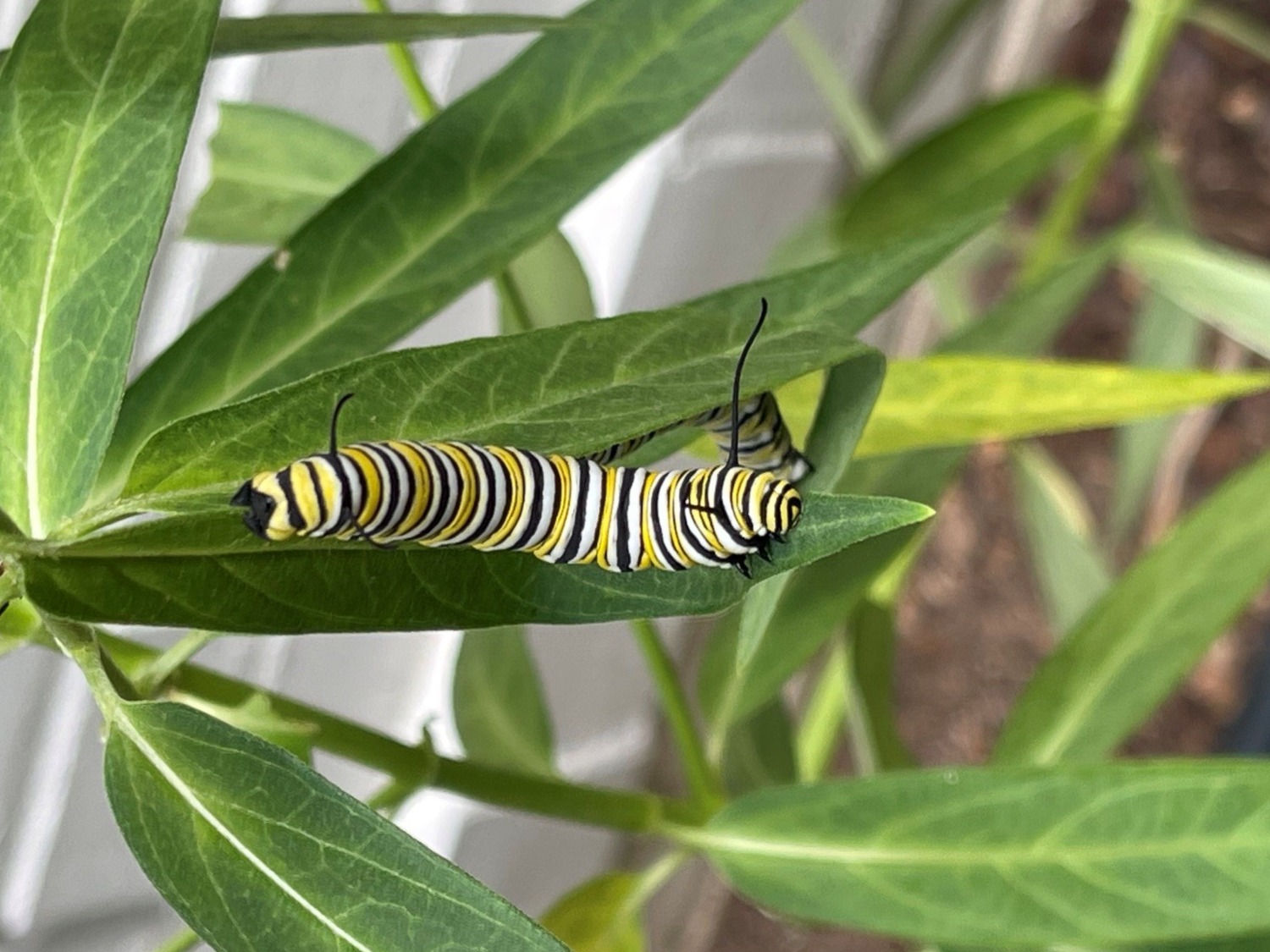
Milkweed is the only plant monarch butterflies use as a host plant. Female monarchs lay their eggs on milkweed, and once the caterpillars hatch, they feed on the leaves. Without milkweed, there is no next generation of monarch butterflies. Good native milkweed options may include butterfly weed, swamp milkweed, common milkweed, and whorled milkweed, depending on your region.
Nectar Flowers Are Just as Important
Milkweed helps monarchs reproduce, but nectar flowers help adult butterflies survive. Monarchs need steady nectar sources, especially during migration. Native flowers such as coneflowers, bee balm, black-eyed Susans, blazing star, asters, goldenrod, and Joe-Pye weed can all help support monarchs and other pollinators. For more planting ideas, read our guide to the best native wildflowers for a pollinator garden and our article on how to grow coneflowers.
Small Gardens Can Still Help Monarch Butterflies
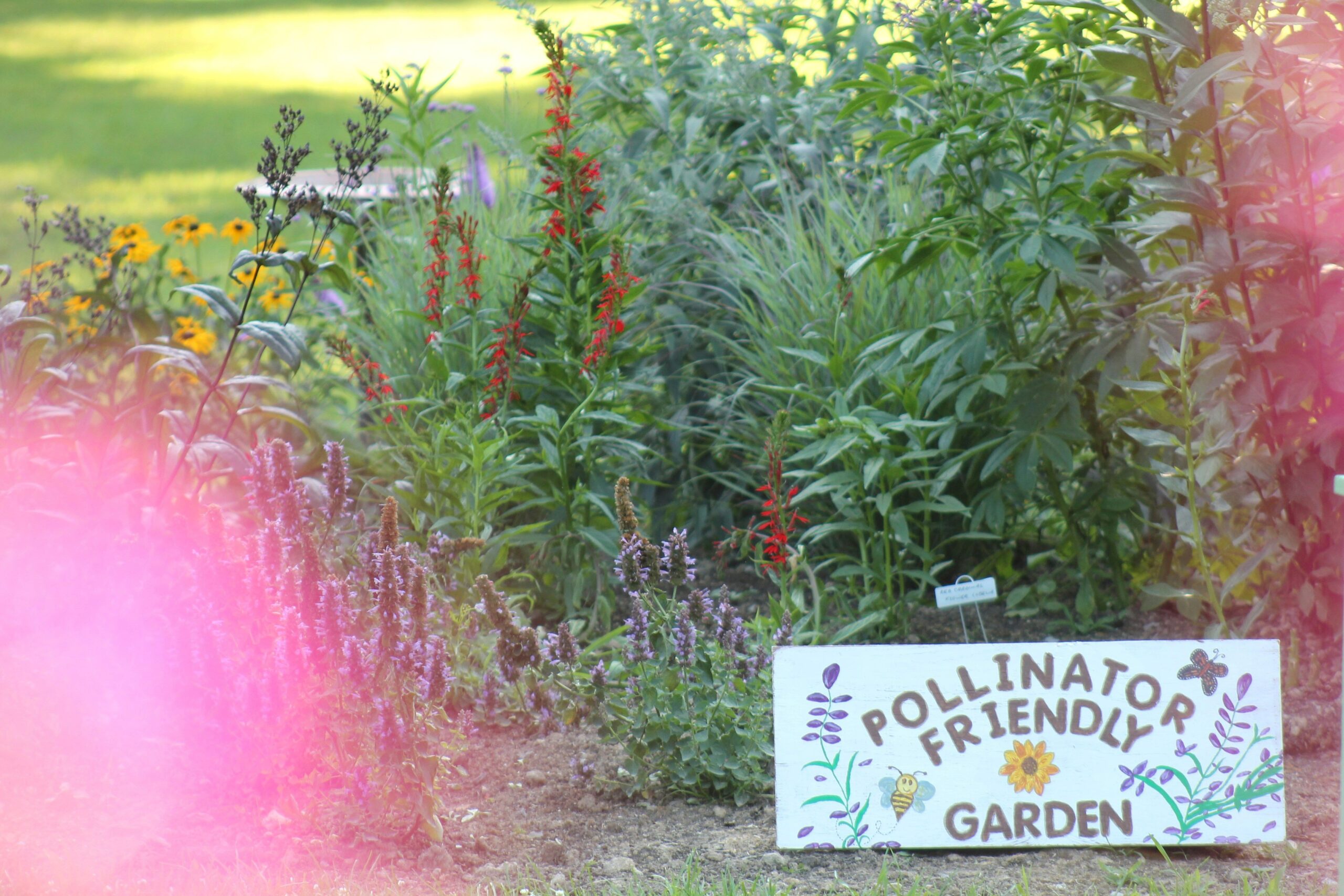
You do not need acres of land to make a difference. A small patch of milkweed and nectar-rich flowers can become part of a larger network of habitat across neighborhoods, towns, farms, roadsides, and parks. Think of each butterfly garden as one small stop along the monarch migration route. When enough people plant the right flowers, those small stops begin to matter. If you are just getting started, see our guide on how to start a butterfly garden.
How to Create Better Monarch Butterfly Habitat
To help monarch butterflies, focus on building a garden that provides food, shelter, and safe breeding space.
- Plant native milkweed for your region.
- Add nectar-rich native flowers that bloom from spring through fall.
- Avoid pesticides and herbicides whenever possible.
- Leave some garden areas a little wild.
- Delay cutting back stems and seed heads until spring.
- Choose native plants over heavily treated nursery plants.
Why Pesticides Are a Problem
Pesticides can harm butterflies, caterpillars, bees, and other beneficial insects. Even products marketed for gardens can create problems if they are used on or near plants that pollinators visit. If your goal is to support monarchs, avoid spraying milkweed and nectar flowers. A few chewed leaves are not a failure. They are often a sign that your garden is working.
Monarchs Need More Than One Yard
One garden will not solve the monarch crisis by itself. But thousands of gardens can help rebuild lost habitat. Backyards, school gardens, church properties, community gardens, parks, and roadsides can all become part of the solution. The more native milkweed and nectar flowers we plant, the more opportunities monarchs have to survive and reproduce. For more butterfly inspiration, see our list of the most beautiful butterflies in North America. If you are considering adding a butterfly house, read do butterfly houses attract butterflies? before buying one.
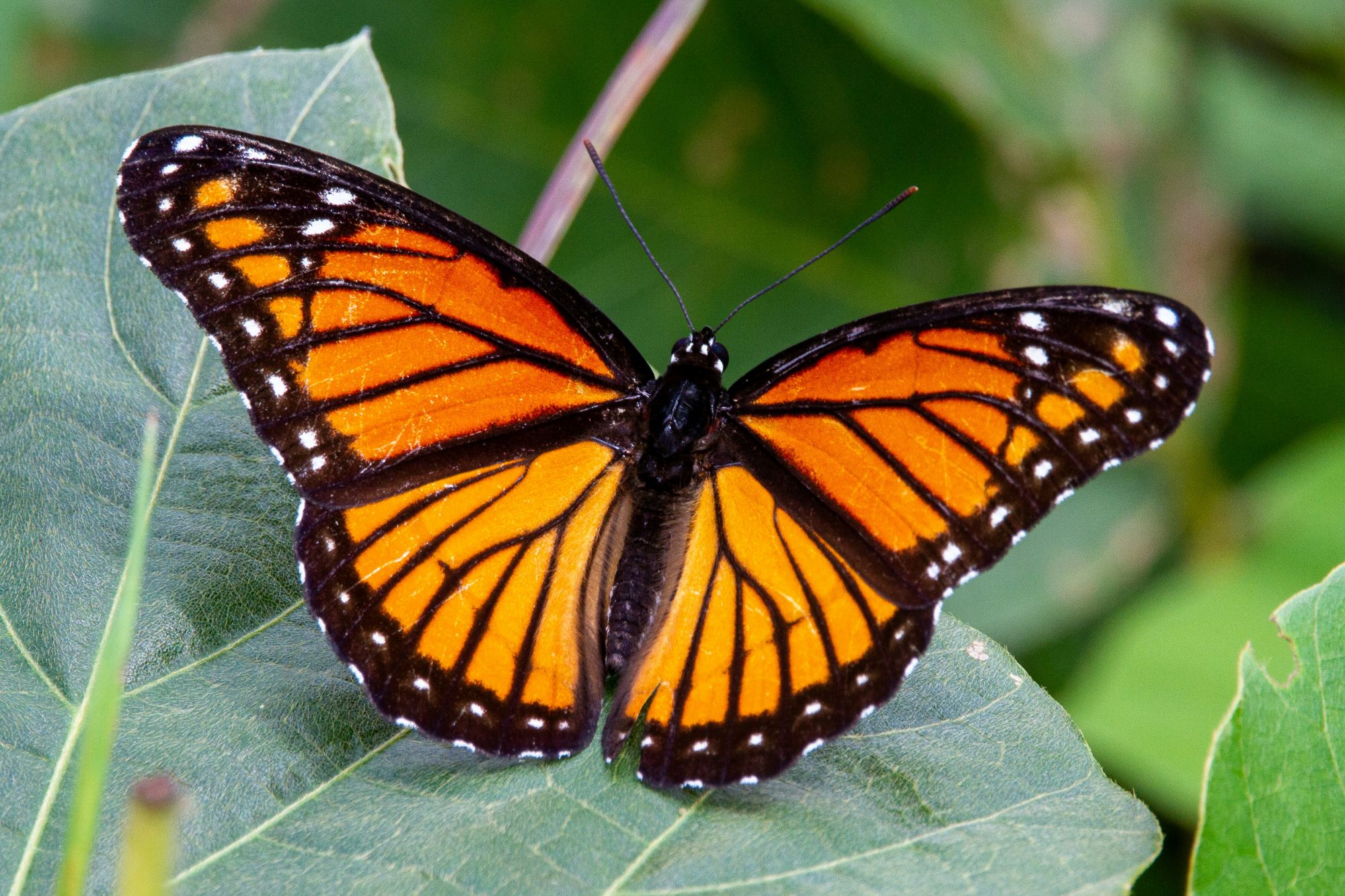
Help spread the word: If this article helps you understand why monarch habitat matters, please share it with a friend, neighbor, teacher, church group, garden club, or anyone who might be interested in planting for monarchs.
If your school, church, community group, or neighborhood has built a butterfly garden or monarch habitat, I would love to hear about it and possibly share your project with our readers.
What You Can Do This Season
If you want to help monarch butterflies this year, start with one simple step: plant native milkweed. Then add flowers that bloom at different times of the year so monarchs and other pollinators have food for as long as possible. You can also support organizations that protect monarch habitat and educate gardeners, such as Monarch Watch and The Xerces Society. The future of monarch butterflies depends on habitat. And habitat can start in your own backyard.
Share this article

Hi, I’m Andrew — the passionate backyard enthusiast behind Butterflies, Birds & Blooms.
I’m not a biologist, master gardener, or certified expert by any stretch. I’m simply someone who fell in love with the magic that happens right outside my own back door. There’s nothing quite like spotting the first monarch of the season, hearing the cheerful chatter of birds at the feeder, or watching flowers bloom and bring life to the garden.
What started as a personal hobby quickly grew into a desire to share the joy, simple tips, and everyday wonders of creating a backyard that welcomes butterflies, birds, and beautiful blooms. Whether you’re a complete beginner or a seasoned nature lover, this little corner of the internet is for all of us who find peace, wonder, and happiness in our gardens.
You’ll find practical gardening ideas, seasonal observations, canning adventures from the “Bushel Basket,” and plenty of real-life stories from my own yard on a steep hill just outside Nashville. No fancy jargon, no gatekeeping — just genuine love for nature and a community of like-minded folks.
Join me as we learn together, celebrate the small wins, and make our backyards a little more alive with butterflies, birds, and blooms.

Join the discussion
Sign in to join the discussion
Comments are open to BBB members. Sign in to your free account to share your experience, ask questions, and reply to other readers.
Free to join. No credit card. Founding Member badge for the first 500 spots.