
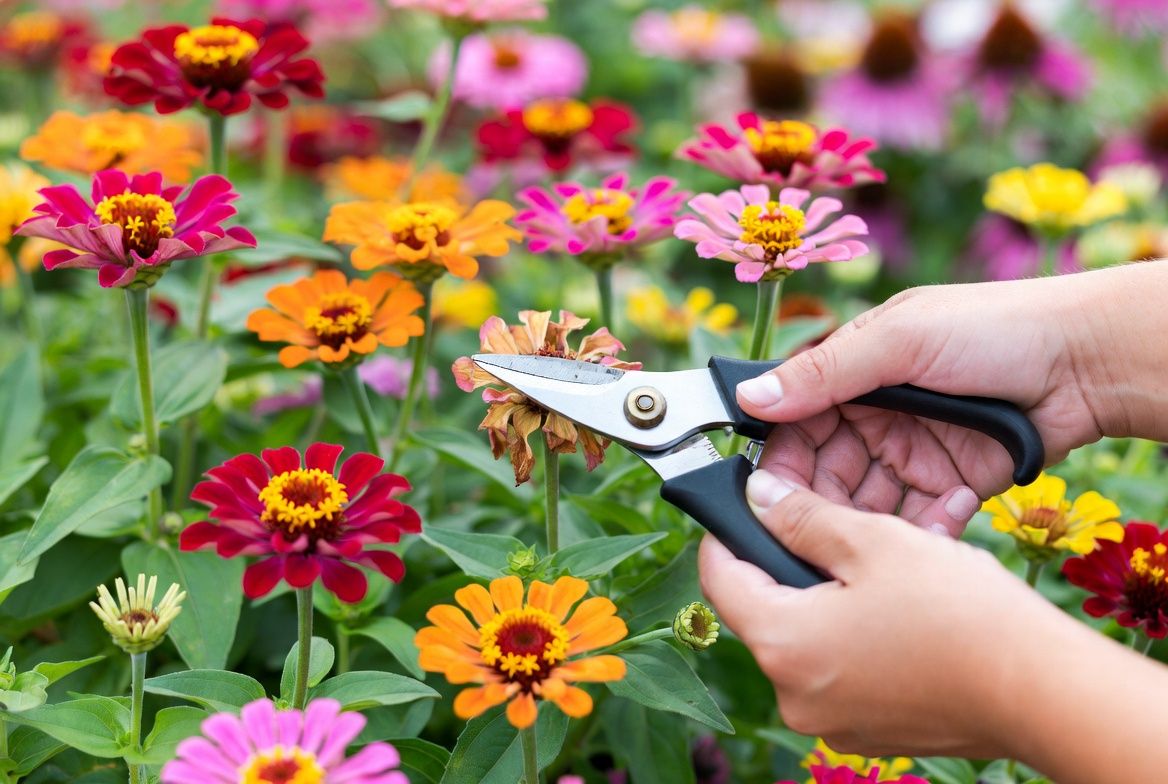

Deadheading flowers sounds simple: remove the faded blooms and wait for more flowers. But the way you cut matters. Done correctly, deadheading keeps annuals blooming longer, helps many perennials look cleaner, reduces disease pressure, and stops some plants from wasting energy on seed production too early. Done poorly, it can leave ugly stems, remove next week’s buds, or strip away seed heads that birds and beneficial wildlife would have used later in the season. Here is how to deadhead flowers the right way, including where to cut, which plants benefit most, which ones do not need much help, and when to stop so your garden still supports birds, butterflies, bees, and other backyard wildlife.
What Does Deadheading Flowers Mean?
Deadheading means removing spent, faded, or dried flowers from a plant. The goal is not just to make the plant look tidier. The real benefit is redirecting the plant’s energy away from seed production and back into roots, foliage, and, in many cases, new flower buds. After a flower is pollinated, many plants start putting energy into forming seeds. That is useful if you want seed heads, berries, self-sown plants, or food for birds. But if your goal is continuous color, especially from annuals such as zinnias, marigolds, cosmos, geraniums, petunias, and snapdragons, removing the old flower before it sets seed can encourage the plant to keep blooming.
Why Deadheading Matters in a Backyard Garden
Deadheading is one of the easiest garden chores to underestimate. It is not glamorous, but it can make a visible difference in how long your flowers perform.

- More blooms: Many annuals and repeat-blooming perennials respond by producing more flowers.
- Cleaner plants: Removing brown petals, mushy flower heads, and bare stems keeps the garden looking intentional instead of neglected.
- Less disease pressure: Old flowers can hold moisture and rot, especially in humid weather.
- Less unwanted self-seeding: Deadheading can reduce aggressive reseeding from plants that spread too freely.
- Better plant shape: Cutting to the right place encourages branching instead of long, awkward stems.
For pollinator gardens, the balance is important. You want enough fresh blooms to feed butterflies and bees, but you may also want to leave some mature seed heads later in the season. If your larger goal is a pollinator-friendly yard, pair deadheading with smart plant choices from how to start a butterfly garden.
How to Deadhead Flowers the Right Way
The biggest mistake is pinching off only the petals and leaving the swollen seedpod behind. That does very little. In most cases, you want to remove the entire spent flower head, including the developing seed structure below it. Use this basic method:
- Find the faded flower. Look for blooms that are brown, limp, dry, shattered, or no longer attractive.
- Follow the stem down. Do not cut randomly at the top. Trace the flower stem to the first healthy set of leaves, side shoot, bud, or branching point.
- Cut just above that point. Make a clean cut above a leaf node or side branch so the plant can push new growth from that area.
- Remove the whole spent bloom. Take the petals and seedpod together.
- Clean up debris. Do not leave wet, diseased, or mushy flowers sitting around the plant base.
For soft-stemmed annuals, your fingers may be enough. For thicker stems or perennials, use clean pruners or snips.
Where to Cut When Deadheading
The right cut depends on the plant’s growth habit. The rule is simple: cut back to something useful. That may be a leaf node, a side bud, a new flower bud, a branching stem, or the base of the plant.
| Plant Type | Where to Cut | Examples |
|---|---|---|
| Single flowers on stems | Cut the flower stem back to the first healthy leaves or a branching point. | Zinnias, cosmos, marigolds, dahlias |
| Flower spikes | Cut the whole faded spike back to fresh foliage or a side shoot. | Salvia, snapdragons, catmint, lavender |
| Clustered blooms | Remove individual spent flowers first, then cut the full cluster once most blooms are finished. | Geraniums, lantana, verbena |
| Daylilies and iris | Remove individual spent blooms, then cut the entire flower stalk when finished. | Daylilies, bearded iris |
| Basal foliage plants | Cut spent stems down near the base without damaging the leaves. | Heuchera, hosta, coral bells |
Deadheading Annual Flowers
Annuals usually give the fastest reward because their job is to flower, set seed, and finish their life cycle in one season. When you interrupt seed production, many annuals respond by producing more flowers.
Zinnias
Deadhead zinnias by cutting the spent bloom back to a set of leaves or a branching stem. Do not leave a long bare stem sticking up. Regular cutting keeps zinnias bushier and more productive.
Marigolds
Pinch or snip off the entire faded flower head, including the swollen base. Marigolds can keep blooming heavily with frequent deadheading, especially in hot summer gardens.
Cosmos
Cut spent cosmos flowers back to a side shoot or leaf node. If the plant becomes tall and thin, light cutting can also help it branch.
Petunias
For petunias, remove the faded flower and the small stem behind it. Many modern varieties are self-cleaning, but leggy plants still benefit from trimming. If petunias look stretched and tired, cut back several inches rather than picking off one bloom at a time.
Geraniums
Snap or cut the entire flower stalk where it meets the main stem. Removing only the individual petals leaves the old stalk in place and does not clean up the plant properly.
Deadheading Perennial Flowers
Perennials vary more than annuals. Some rebloom well after deadheading. Others simply look neater. A few should be left alone once they form attractive seed heads.
Coneflowers
Deadhead coneflowers early in the season if you want a cleaner look and possible additional blooms. Cut the spent flower back to a leaf node or side stem. Later in the season, stop deadheading some of them and leave the seed heads for birds and winter interest.
Black-Eyed Susans
Deadheading black-eyed Susans can extend bloom time and reduce self-seeding. But like coneflowers, the seed heads are useful late in the season. A good compromise is to deadhead early flowers and leave later ones standing.
Bee Balm
Cut faded bee balm flowers back to a healthy set of leaves or a side shoot. This keeps the plant tidier and may encourage smaller follow-up blooms. Because bee balm is valuable for pollinators, avoid cutting off every flower at once if bees and butterflies are actively using it.
Salvia
Salvia responds well to deadheading. Once a flower spike fades, cut it back to the next set of leaves or to a side shoot. If the whole plant looks tired, shear lightly after the first flush to encourage fresh growth.
Daylilies
Remove individual daylily flowers after they collapse. Once every bud on a stalk has bloomed, cut the entire stalk down near the base. Do not cut back the green foliage unless it is damaged or dying; the leaves feed the plant for next year.
Flowers You Usually Do Not Need to Deadhead
Not every flower needs constant attention. Some plants are self-cleaning, meaning they naturally drop old blooms without looking messy. Others bloom once and are done, so deadheading will not produce a second major show.
- Modern self-cleaning petunias and calibrachoa: These may bloom well without individual deadheading.
- Impatiens and begonias: Many varieties shed flowers naturally.
- Peonies: Deadheading improves appearance but will not make them bloom again that season.
- Iris: Removing spent stalks helps the plant look better, but most types will not rebloom unless they are reblooming varieties.
- Ornamental grasses and seed-head plants: These are usually grown for texture, movement, or winter interest.
When You Should Stop Deadheading
Deadheading is useful, but there is a point where continuing too aggressively works against a wildlife-friendly garden. In late summer and fall, let some flowers go to seed. Leave seed heads on plants such as coneflowers, black-eyed Susans, sunflowers, asters, goldenrod, and native grasses. These add structure to the winter garden and can provide natural food for birds. They also help your garden feel alive after peak bloom season has passed. This is especially important if your garden is designed to attract butterflies. Adult butterflies need nectar, but the broader habitat also needs host plants, shelter, and seasonal variety. For inspiration, see the most beautiful butterflies in North America and think about which plants can support them through more than one stage of life.
Deadheading and Pollinators: Do Not Overdo It
There is one obvious risk with deadheading: if you remove too many flowers at once, you temporarily remove nectar. That is not a big problem in a dense garden with many plants blooming at the same time. But in a small garden, cutting everything back on the same day can leave bees, butterflies, and hummingbirds with fewer food sources. A better strategy is to deadhead in sections. Clean up one group of plants, leave another group blooming, and rotate through the garden every few days. This keeps the garden productive without stripping it bare. It also helps with photography. A garden with fresh flowers, active pollinators, and a few natural seed heads usually looks better than one that has been cut back too hard. If you use your garden for photos, these tips on how to photograph butterflies in your garden pair well with a smart deadheading routine.
Deadheading Tools You Actually Need
You do not need much equipment. A few basic tools are enough.
- Garden snips: Best for annuals, small stems, and precision cuts.
- Bypass pruners: Better for thicker perennial stems, roses, and woody plants.
- Gloves: Useful for sticky, thorny, or irritating plants.
- Small bucket: Makes cleanup faster and keeps diseased petals out of the bed.
- Disinfectant wipes or alcohol: Helpful if cutting plants with suspected disease.
Sharp tools matter. Dull pruners crush stems instead of cutting them cleanly, which can slow healing and leave plants looking ragged.
Common Deadheading Mistakes
Most deadheading mistakes come from rushing. The work is easy, but careless cuts can reduce flowers instead of increasing them.
Removing Only the Petals
The seedpod is usually below the petals. If you leave it behind, the plant may still put energy into seed production.
Cutting Off New Buds
Before cutting, look closely for small buds along the stem. Many plants have new flowers forming just below the old one.
Leaving Bare Stems
A stem cut halfway down with no leaves or side shoots often looks awkward. Cut back to a natural growing point.
Deadheading Everything in Fall
A spotless fall garden is not always the healthiest garden. Leaving some seed heads and stems supports birds, beneficial insects, and winter texture.
Composting Diseased Flowers
If flowers are moldy, spotted, or diseased, throw them away instead of composting them. This is especially important in humid climates where fungal disease can spread quickly.
How Often Should You Deadhead Flowers?
During peak growing season, check fast-blooming annuals every few days. For perennials, once a week is usually enough. You do not need to make this complicated. Walk the garden with snips, remove the obvious spent blooms, and make clean cuts to the right place. For large beds, work in zones. Deadhead one section today and another section later in the week. This is more realistic than trying to make the whole garden perfect in one session, and it keeps more flowers available for pollinators at any given time.
Deadheading in Vegetable and Herb Gardens
Deadheading is not just for ornamental beds. Flowering herbs and vegetables can benefit from similar thinking. Basil, for example, should usually be pinched before it flowers if you want more leaves. Some herbs, such as chives and oregano, can be trimmed after flowering to keep them compact. In vegetable gardens, flowers can also attract pollinators and beneficial insects. If you are mixing flowers, herbs, and vegetables, use deadheading selectively. Let some flowers continue feeding pollinators, and remove others when they become messy or start spreading too aggressively. For more on planning productive plant combinations, read companion planting: which vegetables grow better together.
Quick Deadheading Guide by Flower
| Flower | Deadhead? | Best Method |
|---|---|---|
| Zinnia | Yes | Cut back to a leaf node or branching stem. |
| Marigold | Yes | Pinch or snip off the full flower head and seedpod. |
| Cosmos | Yes | Cut to a side shoot or set of leaves. |
| Petunia | Sometimes | Remove old blooms and stems; trim leggy growth as needed. |
| Geranium | Yes | Remove the entire spent flower stalk. |
| Salvia | Yes | Cut faded spikes back to leaves or side shoots. |
| Coneflower | Early season | Deadhead early; leave some seed heads later for birds. |
| Black-eyed Susan | Optional | Deadhead for neatness; leave some seed heads in fall. |
| Daylily | Yes | Remove spent blooms; cut finished stalks to the base. |
| Peony | For appearance | Cut spent flowers back to strong foliage; do not expect rebloom. |
Final Takeaway: Cut With a Purpose
The right way to deadhead flowers is not to randomly pinch off anything brown. Remove the whole spent flower, cut back to a healthy growing point, and think about what you want the plant to do next. For annuals, that usually means more blooms. For perennials, it may mean a cleaner shape, a smaller second flush, or better energy storage for next year. But do not turn deadheading into a reflex. In a wildlife-friendly garden, some flowers should be allowed to mature into seed heads, especially late in the season. The best gardens are not sterile. They are managed with purpose: enough deadheading to keep blooms coming, enough restraint to feed birds and insects, and enough variety to keep the garden working from spring through winter.
Share this article

Hi, I’m Andrew — the passionate backyard enthusiast behind Butterflies, Birds & Blooms.
I’m not a biologist, master gardener, or certified expert by any stretch. I’m simply someone who fell in love with the magic that happens right outside my own back door. There’s nothing quite like spotting the first monarch of the season, hearing the cheerful chatter of birds at the feeder, or watching flowers bloom and bring life to the garden.
What started as a personal hobby quickly grew into a desire to share the joy, simple tips, and everyday wonders of creating a backyard that welcomes butterflies, birds, and beautiful blooms. Whether you’re a complete beginner or a seasoned nature lover, this little corner of the internet is for all of us who find peace, wonder, and happiness in our gardens.
You’ll find practical gardening ideas, seasonal observations, canning adventures from the “Bushel Basket,” and plenty of real-life stories from my own yard on a steep hill just outside Nashville. No fancy jargon, no gatekeeping — just genuine love for nature and a community of like-minded folks.
Join me as we learn together, celebrate the small wins, and make our backyards a little more alive with butterflies, birds, and blooms.

Join the discussion
Sign in to join the discussion
Comments are open to BBB members. Sign in to your free account to share your experience, ask questions, and reply to other readers.
Free to join. No credit card. Founding Member badge for the first 500 spots.