

Nyjer Seed Not Attracting Goldfinches? 10 Reasons They Are Ignoring It
If your nyjer seed is not attracting goldfinches, the seed is not automatically the problem. Goldfinches love nyjer, but they are also picky, cautious, seasonal, and quick to reject seed that is stale, wet, clumped, moldy, or placed in the wrong feeder. The mistake many backyard birders make is assuming, “I bought nyjer seed, so goldfinches should show up.” That is not how it works. The feeder has to be clean, the seed has to be fresh, the location has to feel safe, and goldfinches have to be moving through your yard in the first place. Here is how to troubleshoot a nyjer feeder that goldfinches are ignoring.
First, Is Nyjer Seed Supposed to Attract Goldfinches?
Yes. Nyjer seed, often called “thistle seed,” is one of the best seeds for attracting American Goldfinches, Lesser Goldfinches, Pine Siskins, Common Redpolls, and other small finches. It is tiny, oil-rich, and best served in a finch feeder with very small ports or a mesh-style feeder. But nyjer is also less forgiving than many other bird seeds. It can lose freshness, absorb moisture, clog feeder openings, and become unappealing fast. If goldfinches are not eating it, the issue is usually one of the problems below.
1. The Nyjer Seed Is Stale
This is the most common reason goldfinches ignore nyjer seed. Nyjer is valued because it is oily and energy-rich. Once it sits too long, especially in heat, humidity, or an opened bag, it can dry out and lose the quality that makes it attractive to finches. The seed may still look normal to you, but birds are better judges of food quality than we are. What to do: Buy nyjer in small bags instead of bulk if your feeder traffic is low. Store it in a sealed container in a cool, dry spot. If the seed has been sitting in the feeder for more than a couple of weeks with little activity, dump it and start fresh.

2. The Seed Got Wet
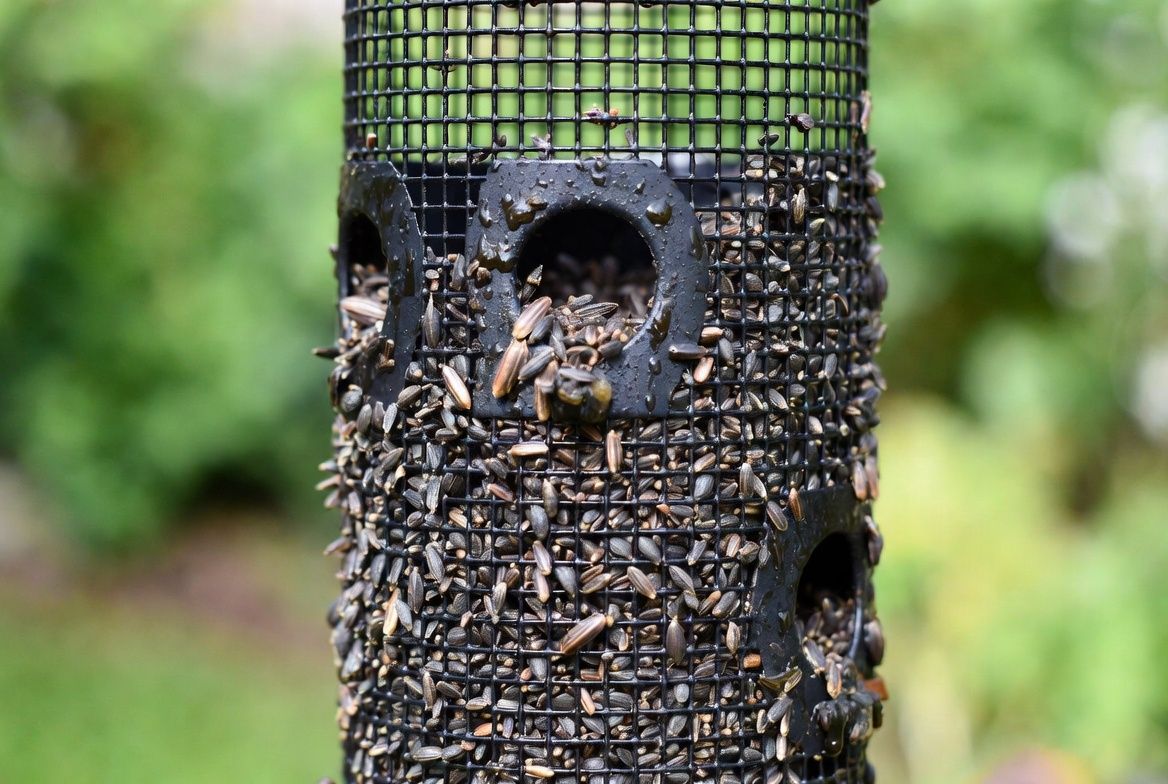
Wet nyjer is a problem. Rain, humidity, and condensation can cause the seed to clump, clog, spoil, or mold. Once that happens, goldfinches may stop visiting even if they used the feeder before. Do not just shake the feeder and hope for the best. If the seed is damp, musty, clumped, or stuck to the feeder walls, throw it out. What to do: Empty the feeder, clean it, let it dry completely, and refill it with a small amount of fresh nyjer. A weather guard or covered feeder can help keep seed dry.
3. You Are Using the Wrong Feeder
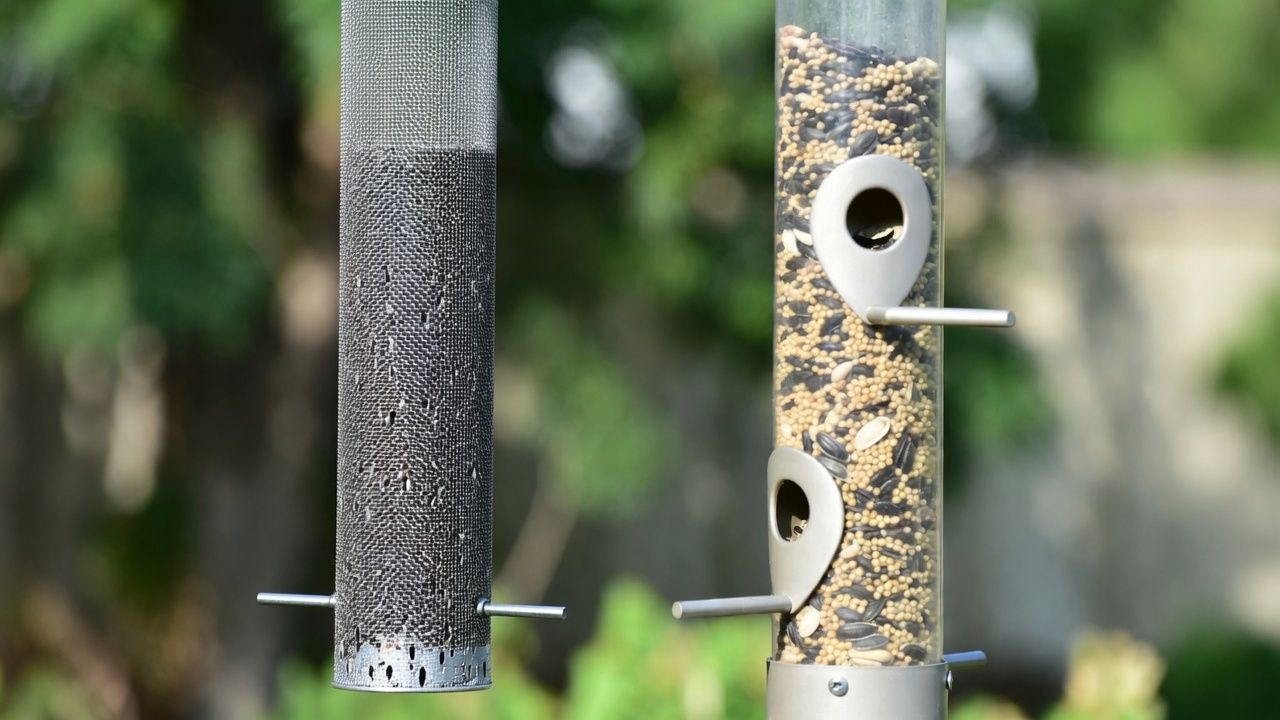
Nyjer seed is extremely small. A regular mixed-seed feeder may spill it, waste it, or make it difficult for goldfinches to feed properly. Goldfinches usually do best with a dedicated finch feeder, nyjer tube feeder, or mesh sock feeder. Best feeder options for nyjer seed:
- Nyjer tube feeder: Good for keeping seed drier and limiting waste.
- Mesh finch feeder: Good for clinging finches, but it can get wet faster.
- Finch sock: Inexpensive, but harder to keep dry and clean.
If your feeder has large ports, the nyjer may spill out. If the ports are clogged, birds may not be able to get the seed. If the feeder is difficult to perch on, goldfinches may choose easier food elsewhere. Need help choosing the right setup? Read our guide to choosing the right bird feeder for your backyard.
4. The Feeder Is Dirty
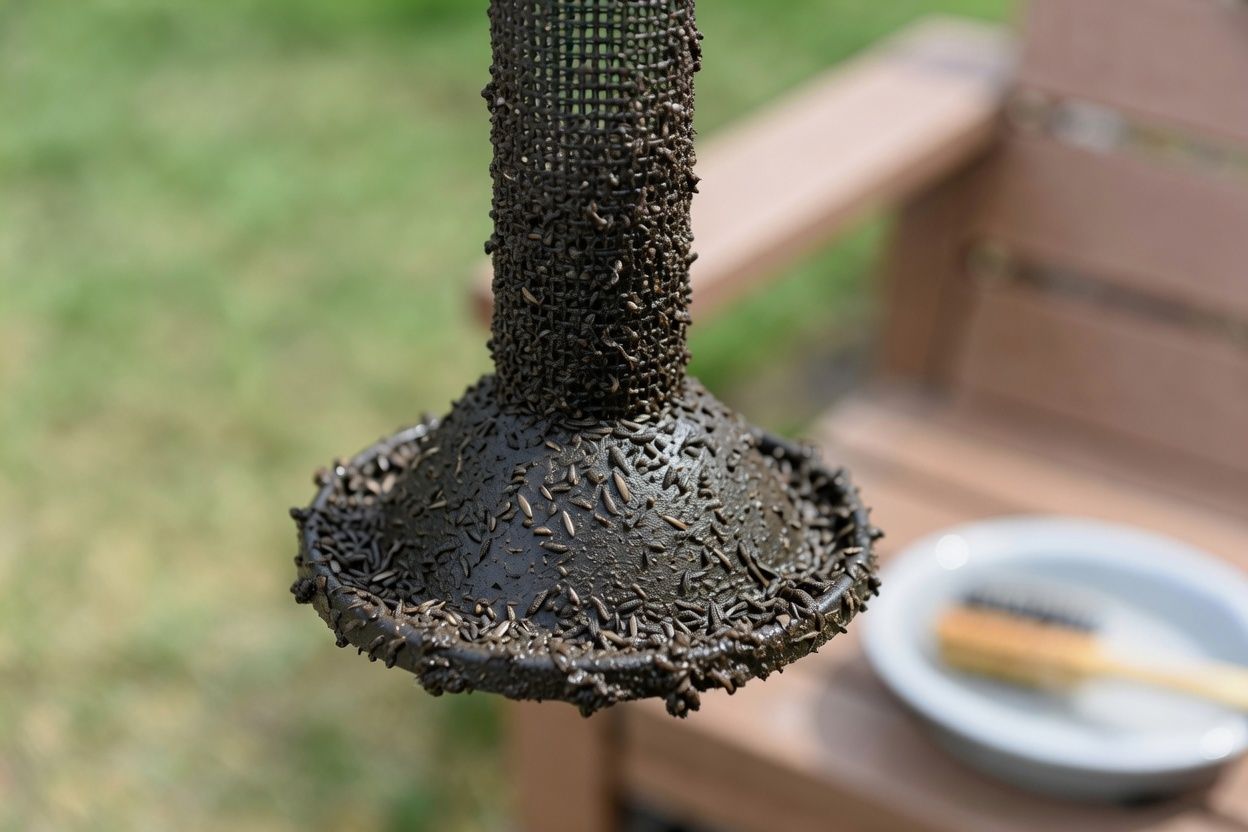
A dirty feeder can turn goldfinches away and may also spread disease among backyard birds. Nyjer feeders are especially prone to buildup because the seed is small and oily. Old seed dust, hulls, moisture, and droppings can collect around feeding ports. What to do: Take the feeder apart, scrub it, rinse it well, and let it dry fully before refilling. If seed has spoiled or birds appear sick, clean more aggressively and leave the feeder down for a while before putting it back out. Never refill fresh nyjer on top of old, damp, or spoiled seed. That just contaminates the new seed.
5. The Feeder Is in the Wrong Location
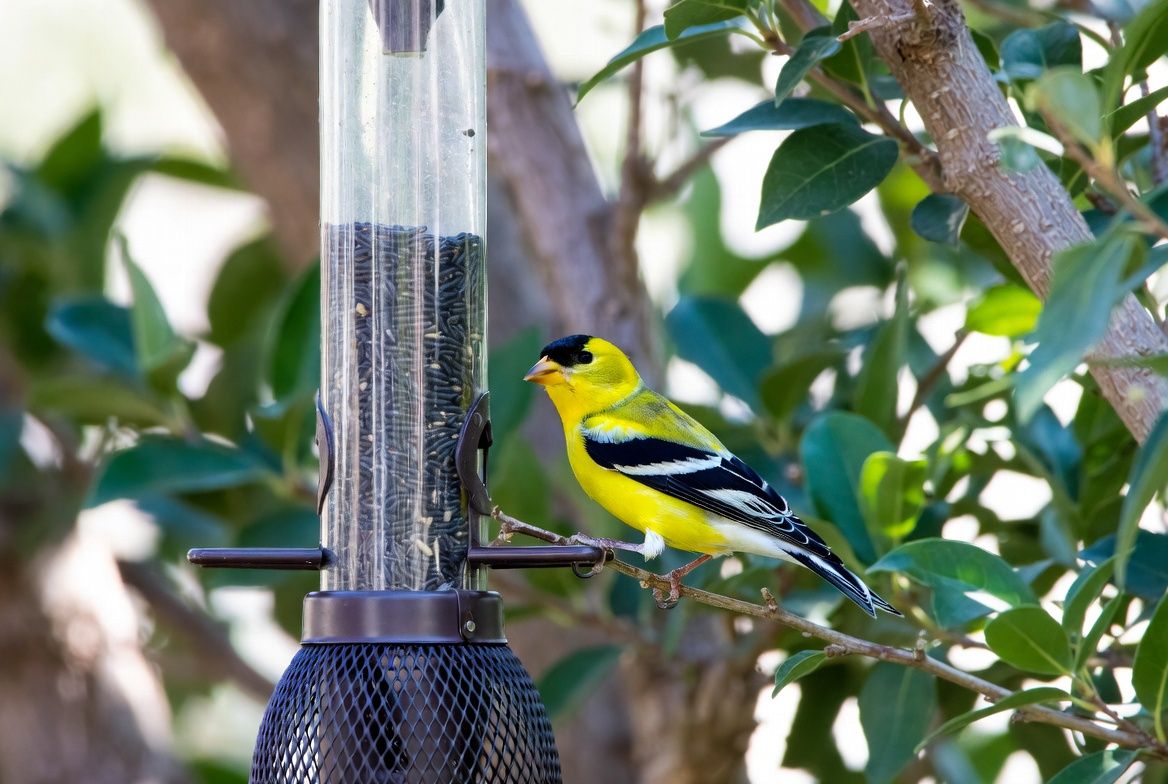
Goldfinches are small birds. They do not like feeling exposed. If your nyjer feeder is hanging in the middle of a wide-open yard with no nearby escape cover, goldfinches may avoid it. At the same time, do not bury the feeder deep inside dense shrubs where cats or other predators can ambush birds. Better placement: Hang the feeder near shrubs, small trees, or garden edges where birds can stage before flying in. Give them visibility, but also a safe place to retreat.
6. Goldfinches Have Not Found the Feeder Yet
If this is a new feeder, patience matters. Birds do not always find a new food source immediately. It can take days or even weeks for goldfinches to notice a feeder, test it, and return regularly. That does not mean you should fill the feeder to the top and wait. A full feeder of ignored nyjer can go stale before birds ever discover it. What to do: Start with a small amount of fresh seed. Keep the feeder clean and visible. Once goldfinches begin visiting, refill more often.
7. Natural Food Is More Attractive Right Now
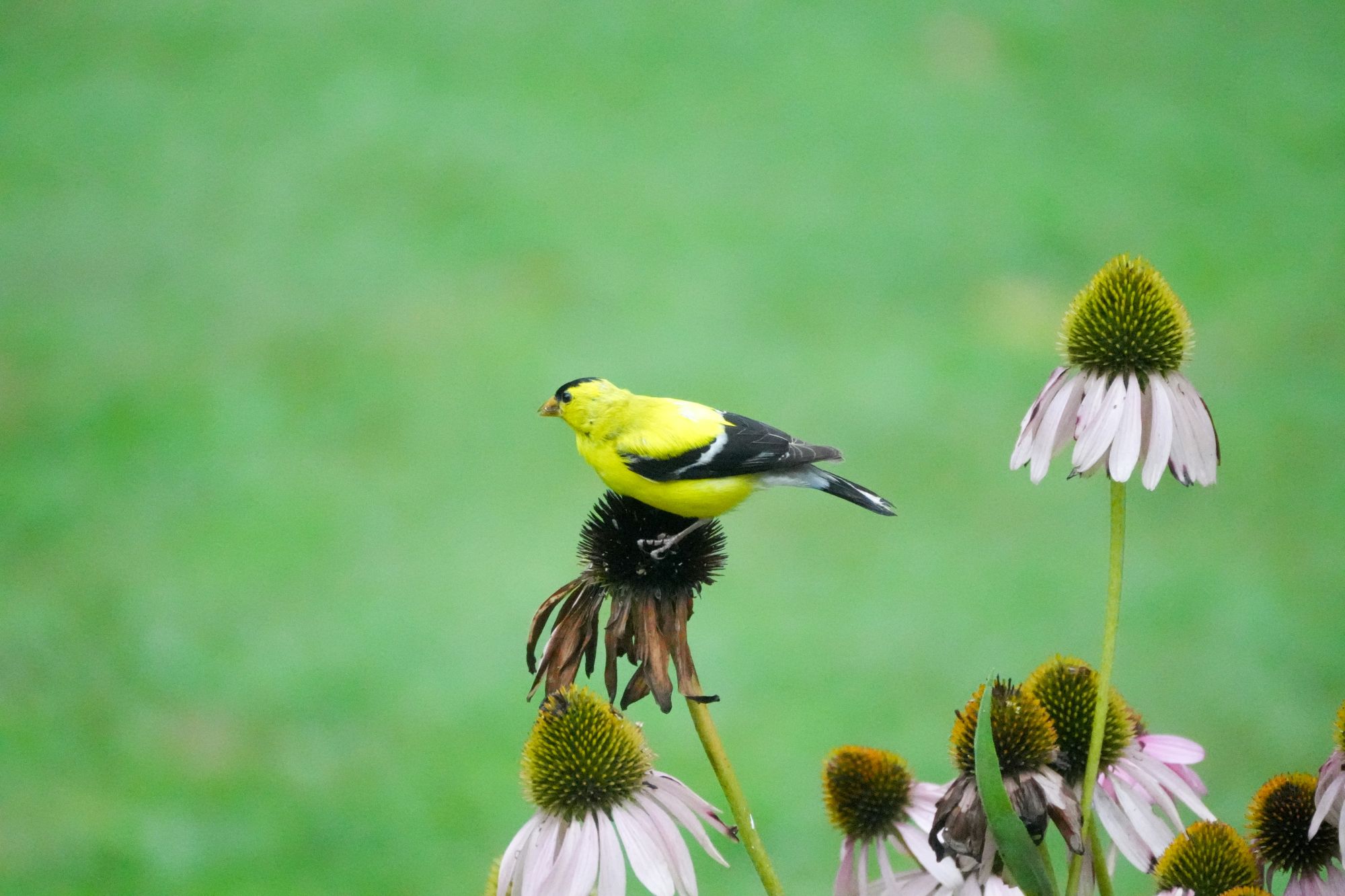
Goldfinches are seed specialists. In late summer and fall, they may choose natural seed heads over feeders, especially if your area has sunflowers, coneflowers, asters, thistles, grasses, and other seed-producing plants. This is not bad. It means the landscape is feeding them. If you want more goldfinches long term, do not rely only on nyjer. Plant flowers and native seed-producing plants that goldfinches naturally use. Good plants for attracting goldfinches include:
- Sunflowers
- Black-eyed Susans
- Coneflowers
- Asters
- Goldenrod
- Native thistles where appropriate
- Milkweed
Leave some seed heads standing instead of cutting everything back immediately. Goldfinches often feed directly from dried flower heads.
8. They Prefer Sunflower Seeds in Your Yard
Goldfinches like nyjer, but they also love sunflower seeds, especially hulled sunflower chips or hearts. In many yards, goldfinches will choose sunflower chips over nyjer because they are easy to eat and highly attractive. If your nyjer seed is not attracting goldfinches, try offering sunflower chips in a separate tube feeder. Do not mix everything together in one feeder. Separate feeders make it easier to see what birds actually prefer. Best test: Put fresh nyjer in one feeder and sunflower chips in another feeder nearby. Watch which one goldfinches choose.
9. Larger Birds or Squirrels Are Making the Feeder Unsafe
Goldfinches may avoid a feeder that is crowded by larger birds, squirrels, or constant disturbance. Even if the food is right, the feeding station can feel too risky. What to do: Move the nyjer feeder away from busy mixed-seed feeders. Use a dedicated finch feeder with small perches or mesh that favors small clinging birds. If squirrels are a problem, use a baffle or move the feeder farther from jump-off points.
10. There Are Not Many Goldfinches Nearby Right Now
Sometimes the feeder is not the issue. Goldfinches move around based on food supply, season, weather, nesting, and local habitat. You may see them heavily for a few weeks and then barely at all. Goldfinches are also less flashy outside breeding season. Male American Goldfinches are bright yellow in spring and summer, but they become duller in fall and winter. Some people think the goldfinches disappeared when they are actually still around in quieter colors.
How to Fix a Nyjer Feeder Goldfinches Are Ignoring
Use this simple reset plan before replacing everything.
Step 1: Throw Out the Old Seed
Do not try to save questionable nyjer. If it is old, damp, clumped, dusty, or musty, throw it away.
Step 2: Clean and Dry the Feeder
Take the feeder apart. Scrub the feeding ports, base, perches, and tube. Rinse well and let every part dry completely before refilling.
Step 3: Refill With a Small Amount of Fresh Nyjer
Do not fill the feeder to the top until birds are eating regularly. Add enough seed for a few days. This keeps the seed fresher and reduces waste.
Step 4: Move the Feeder Near Safe Cover
Place it near shrubs, small trees, or a garden border, but not so close that predators can hide directly beneath it.
Step 5: Add a Second Feeder With Sunflower Chips
If the nyjer still gets ignored, offer hulled sunflower chips nearby. Many goldfinches readily eat them, and they may help bring finches into the feeding area.
Step 6: Add Water
A clean birdbath can make your yard more attractive, especially during hot, dry, or freezing weather. Keep the water shallow and clean.
Best Feeder Setup for Goldfinches
For the best chance of attracting goldfinches, use a simple feeding station like this:
- One dedicated nyjer feeder with small ports or mesh
- One separate feeder with hulled sunflower chips
- A clean, shallow birdbath nearby
- Native flowers and seed heads in the garden
- Placement near safe cover, away from heavy disturbance
This setup gives goldfinches options. If they reject the nyjer, they may still come for sunflower chips. If they skip the feeders for a while, your plants can still support them naturally.
Should You Use a Finch Sock or Tube Feeder?
Both can work, but they have different problems. Finch socks are cheap and easy, but they can get wet, dirty, and clogged quickly. They may work well during dry weather but need frequent replacement or cleaning. Nyjer tube feeders are usually easier to keep dry and clean. A tube feeder with small nyjer ports is often the better long-term option if you plan to feed goldfinches regularly. If your current sock feeder is not working, switch to a tube-style nyjer feeder before giving up on nyjer altogether.
Do Goldfinches Eat From the Ground?
Yes, goldfinches may eat spilled seed from the ground, but that does not mean you should let old seed pile up below the feeder. Wet seed, hulls, and droppings can create an unhealthy feeding area. Rake or sweep below feeders regularly. If the ground under the feeder is messy, move the feeder occasionally to give that area a break.
Quick Checklist: Why Goldfinches Are Not Eating Your Nyjer Seed
- The nyjer seed is stale.
- The seed got wet or clumped.
- The feeder ports are clogged.
- The feeder is dirty.
- The feeder is too exposed.
- The feeder is too close to predators or heavy activity.
- The feeder is new and birds have not found it yet.
- Natural seed heads are more attractive right now.
- Goldfinches prefer sunflower chips in your yard.
- There are fewer goldfinches nearby this season.
Frequently Asked Questions About Nyjer Seed and Goldfinches
Why are goldfinches not coming to my nyjer feeder?
The most likely reasons are stale seed, wet seed, a dirty feeder, clogged feeding ports, poor feeder placement, or a lack of goldfinches nearby at the moment. Start by replacing the seed and cleaning the feeder.
Is nyjer seed the same as thistle seed?
Nyjer is often called thistle seed, but it does not come from the native thistles many gardeners recognize. It is a tiny imported seed commonly used to attract finches.
Do goldfinches prefer nyjer or sunflower seeds?
Goldfinches eat both. Nyjer is excellent for finches, but many goldfinches also readily eat black oil sunflower seeds, hulled sunflower hearts, and sunflower chips.
How long does it take goldfinches to find a new feeder?
It may take a few days or several weeks. Keep the feeder clean, use small amounts of fresh seed, and avoid letting a full feeder sit untouched for too long.
Should I mix nyjer seed with other bird seed?
It is better to offer nyjer by itself in a dedicated finch feeder. Mixed seed can create waste, and nyjer needs small feeder ports to prevent spilling.
Do goldfinches use birdhouses?
No. Goldfinches do not nest in birdhouses. They nest in shrubs, small trees, and dense vegetation. If you want more goldfinches, focus on seed-producing plants, safe cover, fresh water, and clean feeders.
Final Answer: Why Your Nyjer Seed Is Not Attracting Goldfinches
If your nyjer seed is not attracting goldfinches, do not assume nyjer does not work. Assume something in the setup is wrong. Start with the basics: replace the seed, clean the feeder, make sure the ports are not clogged, move the feeder near safe cover, and offer sunflower chips nearby. Then improve the habitat with water and seed-producing flowers. Goldfinches are not complicated, but they are selective. Fresh food, clean feeders, safe placement, and a bird-friendly yard will usually outperform simply hanging a bag of nyjer and hoping for the best.
Internal link to add: /how-to-choose-the-right-bird-feeder-for-your-backyard/
Share this article


Join the discussion
Sign in to join the discussion
Comments are open to BBB members. Sign in to your free account to share your experience, ask questions, and reply to other readers.
Free to join. No credit card. Founding Member badge for the first 500 spots.