
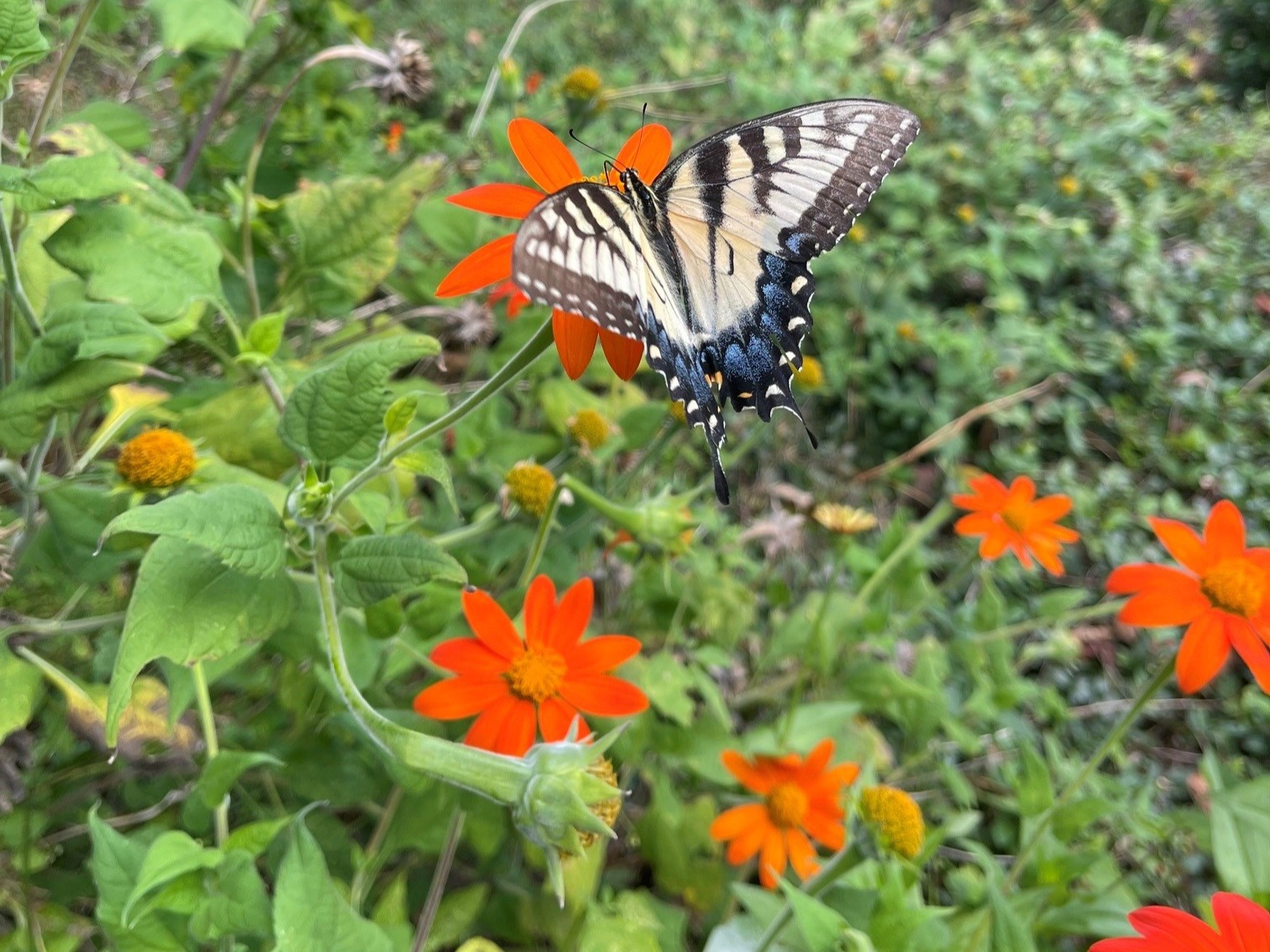

A butterfly garden turns an ordinary yard into a moving, living display, and it is one of the easiest ways to support pollinators right outside your door. If you have ever watched a butterfly drift from bloom to bloom and wished your own garden saw more visitors, the good news is that starting a butterfly garden takes only a sunny spot, the right plants, and a little planning. This beginner’s guide walks you through it step by step.
Why Start a Butterfly Garden?
Butterflies do more than add color and movement to a garden. As they move between flowers they help pollinate the plants around them, and the caterpillar stage feeds birds and other backyard wildlife. Many native butterfly populations have declined as wild habitat has shrunk, so even a small home garden gives them food and shelter they would otherwise struggle to find. A well-planned butterfly garden is good for the butterflies and rewarding to watch.
How to Start a Butterfly Garden in 6 Steps
1. Learn which butterflies live in your area
Start by finding out which butterfly species are native to your region. The plants a butterfly needs vary by species, so knowing your local visitors — monarchs, swallowtails, fritillaries, painted ladies, and others — tells you what to plant. A regional field guide or your local native plant society is a good place to begin.

2. Choose a sunny, sheltered spot
Butterflies are cold-blooded and need warmth to fly, so pick a location that gets at least six hours of sun a day. They are also weak fliers, so choose a spot protected from strong wind. If your whole yard is exposed, plant shrubs or a hedge along the windward side to create a calmer pocket where butterflies can feed without fighting the breeze.
3. Plant both host plants and nectar plants
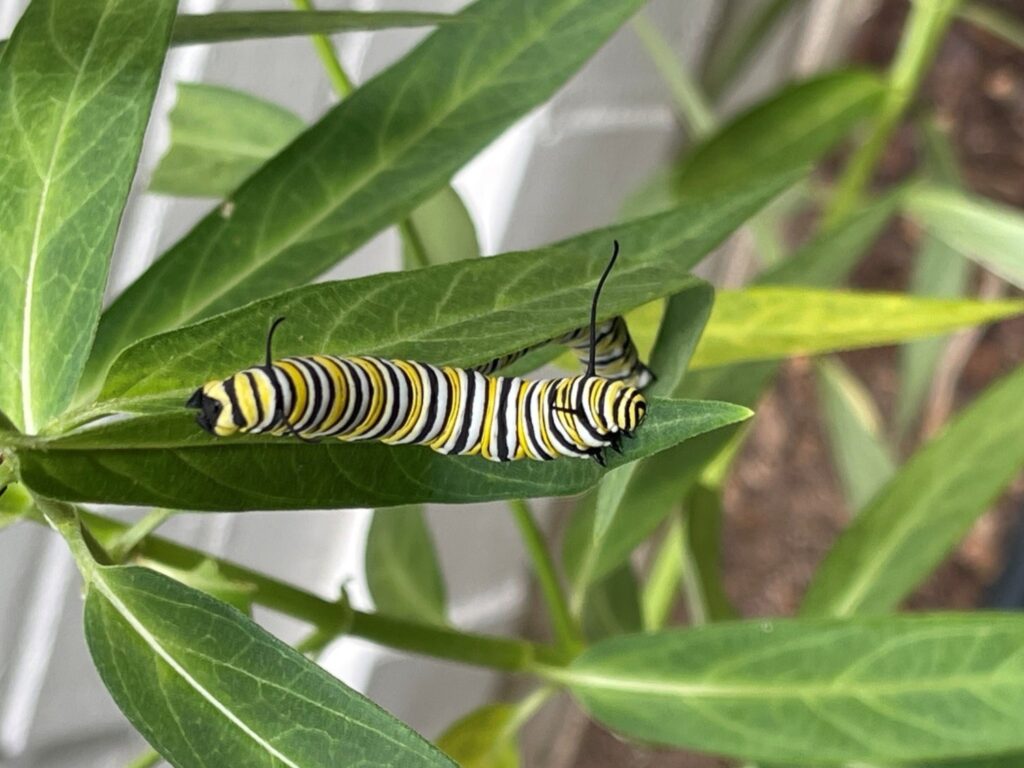
This is the step most beginners miss. Adult butterflies drink nectar, but they also need host plants to lay their eggs on — the specific plants their caterpillars eat. Milkweed, for example, is the only plant monarch caterpillars will eat. A garden with nectar flowers but no host plants will attract passing butterflies; a garden with both will help them complete their whole life cycle and keep coming back.
4. Plan for blooms all season
Choose a mix of plants that flower at different times so there is nectar available from spring through fall. Group the same plants together in clusters rather than scattering single plants — larger blocks of color are easier for butterflies to find. Note each plant’s mature size and its light and water needs as you plan, so nothing gets crowded or overshadowed later.
5. Add water, puddling spots, and basking rocks
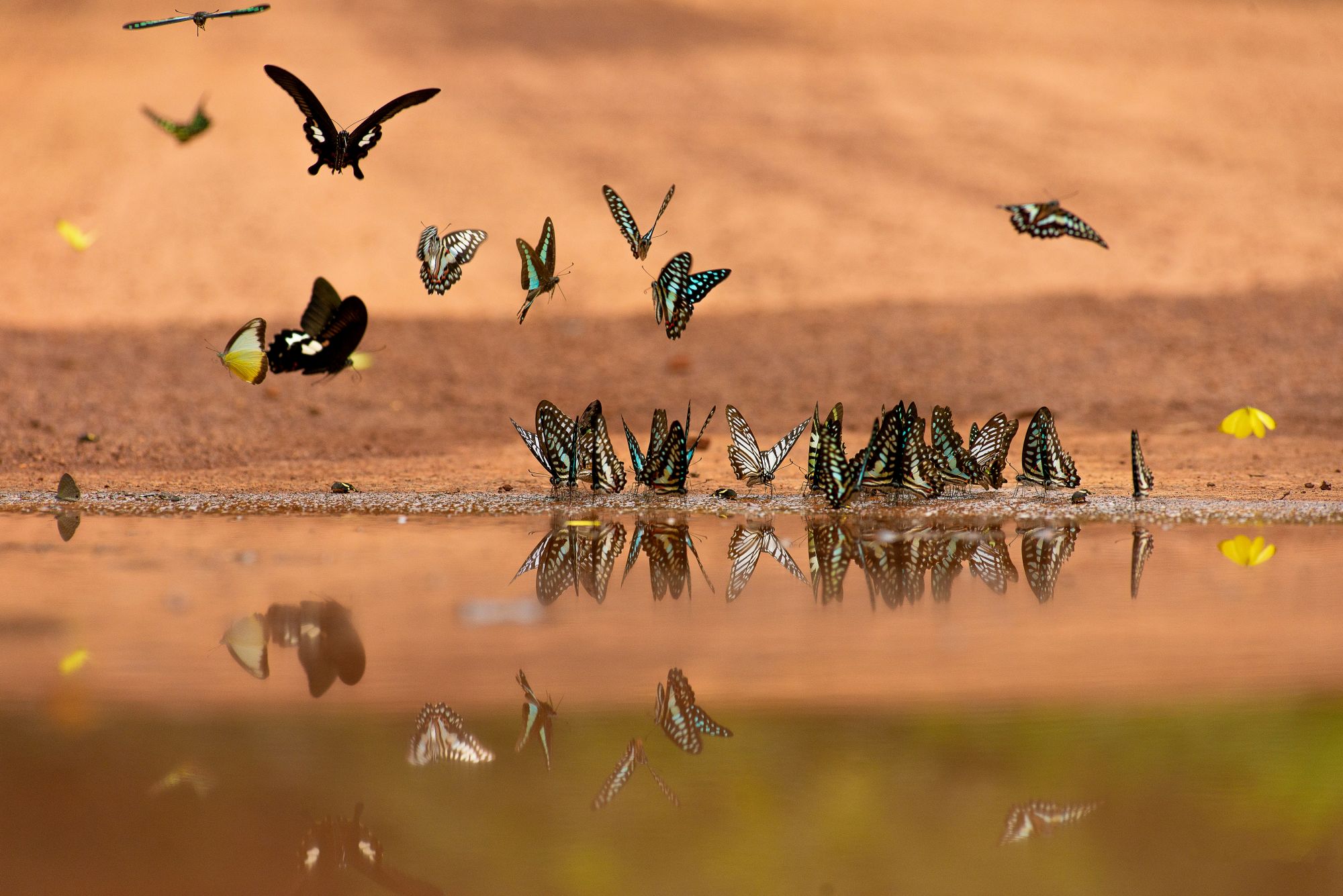
Butterflies gather at shallow damp spots to drink and take up minerals, a behavior called puddling. Make a simple puddling station by filling a shallow dish with sand and adding just enough water to keep it moist. Place a few flat rocks in sunny spots, too — butterflies use them to rest and warm their wings.
6. Skip the pesticides
Insecticides do not distinguish between pests and butterflies, and they are especially deadly to caterpillars. Avoid spraying in or near your butterfly garden. If you have a pest problem, remove it by hand or choose targeted, butterfly-safe methods instead.
Best Plants for a Butterfly Garden
The strongest butterfly gardens pair nectar plants for adults with host plants for caterpillars, and they lean on species native to your region wherever possible. Native plants are best adapted to local butterflies and need less water and care once established.
| Nectar plants (feed adult butterflies) | Host plants (feed caterpillars) |
|---|---|
| Coneflower (Echinacea) | Milkweed — monarchs |
| Bee balm (Monarda) | Parsley, dill & fennel — swallowtails |
| Zinnia | Violets — fritillaries |
| Black-eyed Susan | Asters — crescents and others |
| Joe-Pye weed | Native grasses — skippers |
| Aster |
Butterfly bush (Buddleia) is a popular nectar plant, but it is considered invasive in parts of North America and offers no value to caterpillars. Where it is a concern, native alternatives like Joe-Pye weed or bee balm do the same job. Check your regional native plant finder through the Xerces Society Pollinator Resource Center before buying.
Caring for Your Butterfly Garden
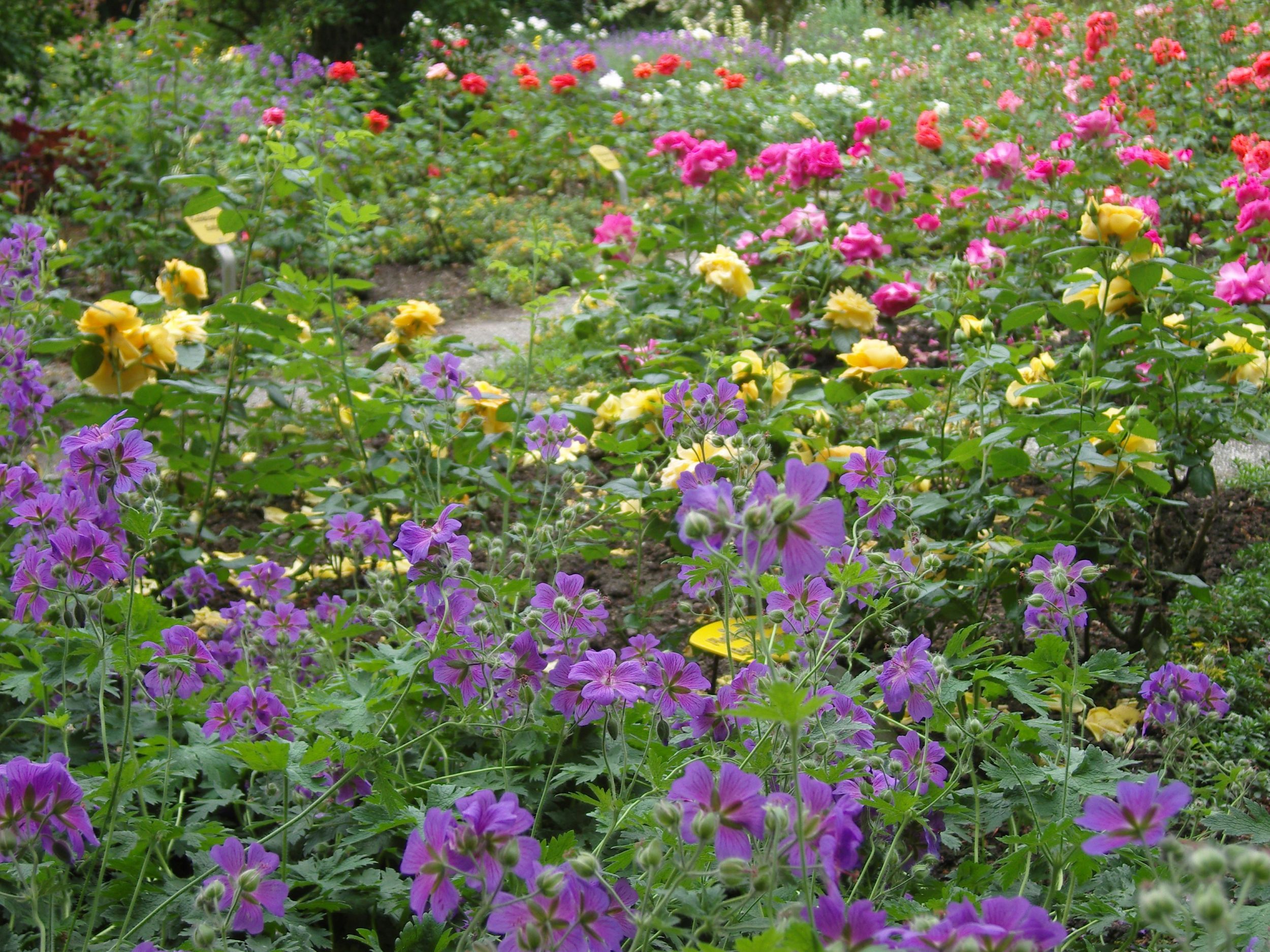
Once established, a butterfly garden is fairly low-maintenance. Water new plantings until they take hold, leave some leaf litter and standing stems over winter to shelter chrysalises and eggs, and resist the urge to tidy too aggressively in fall. Take photos as the season goes — it is a satisfying way to track which plants draw the most visitors.
Frequently Asked Questions
How big does a butterfly garden need to be?
It does not need to be big at all. Even a few containers on a patio or a small border bed can attract butterflies, as long as the plants get enough sun and include both nectar and host species. Start small and expand as you learn what works.
What is the best plant to attract butterflies?
There is no single best plant, but native nectar flowers like coneflower, bee balm, and aster are reliable across much of North America. For monarchs specifically, milkweed is essential because it is the only host plant their caterpillars can eat.
When should I start a butterfly garden?
Spring and early fall are both good times to plant, when temperatures are mild and roots can establish before summer heat or winter cold sets in. You can plan and prepare the bed any time of year.
Will a butterfly garden attract bees and wasps?
Yes — the same flowers that feed butterflies also feed bees and other pollinators, which is a benefit for your whole garden. Most are not aggressive while foraging, and a diverse pollinator garden is a sign of a healthy yard.
Start Small and Watch It Fill In
Starting a butterfly garden is one of the most rewarding projects a home gardener can take on, and you do not need much space or experience to begin. Pick a sunny spot, plant a mix of native nectar and host plants, add a little water and a few rocks, and let the butterflies find you. Once your garden fills in, we would love to see it — share your photos with the community.
Share this article


Join the discussion
Sign in to join the discussion
Comments are open to BBB members. Sign in to your free account to share your experience, ask questions, and reply to other readers.
Free to join. No credit card. Founding Member badge for the first 500 spots.