
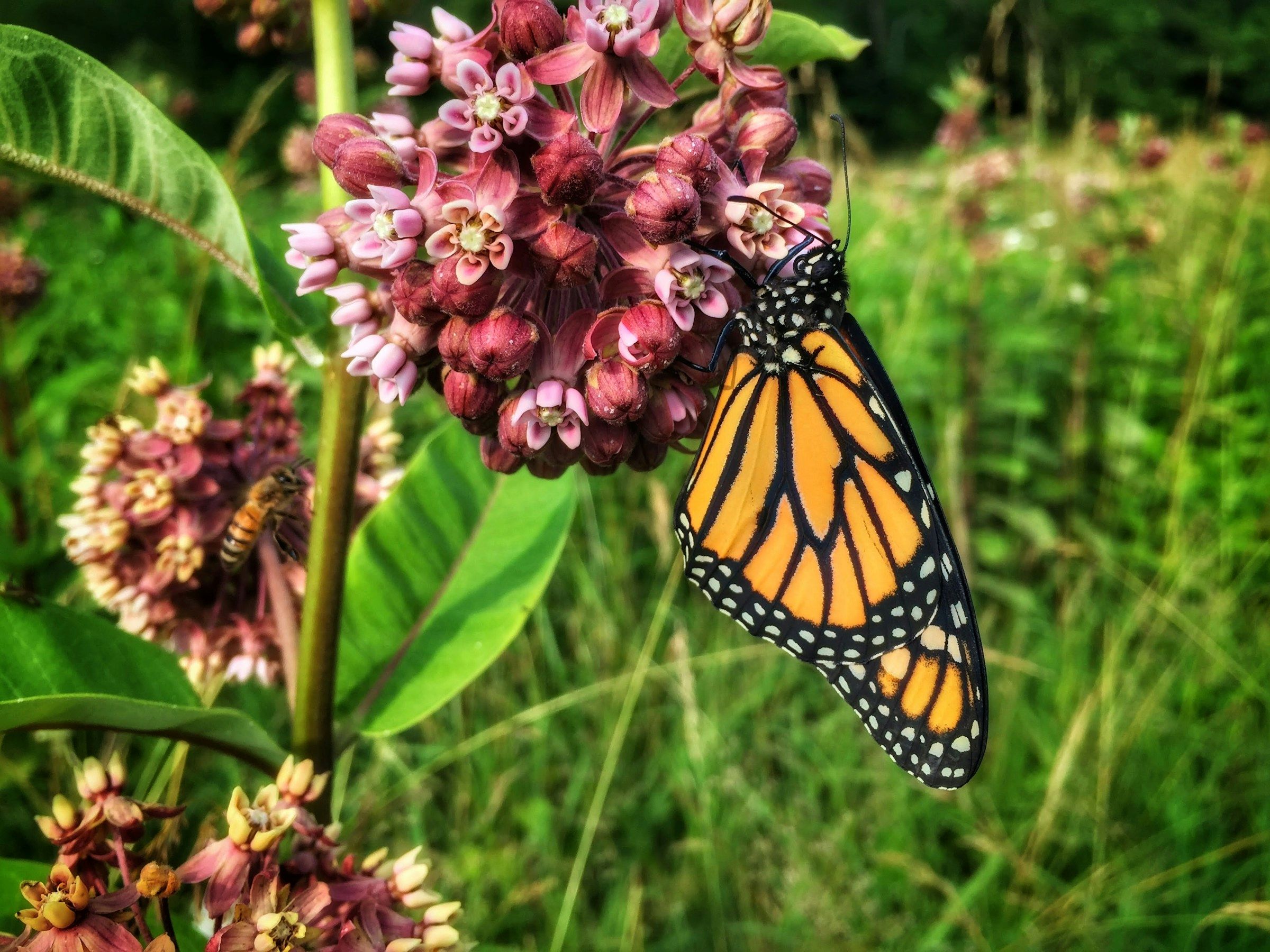

How to Attract Monarch Butterflies to Your Garden
The best way to attract monarch butterflies is by creating a habitat that supports every stage of their life cycle.
If you want to attract monarch butterflies to your garden, the formula is simple but specific: plant native milkweed for caterpillars, add nectar-rich flowers for adult butterflies, and avoid pesticides that can harm monarchs at every stage of life.
Monarchs are famous for their long migration across North America, but they cannot complete that journey without backyard gardens, meadows, roadsides, farms, and natural areas that provide food along the way. A good monarch butterfly garden is not just pretty. It is a working habitat.

In this guide, you will learn which plants monarchs need, how to design a monarch-friendly garden, which mistakes to avoid, and how to support monarchs through the growing season.
Quick Navigation
- Why Monarch Gardens Matter
- What You Need
- Step-by-Step Guide
- Best Plants to Attract Monarch Butterflies
- Best Native Milkweed
- Regional and Seasonal Tips
- Common Mistakes
- FAQ
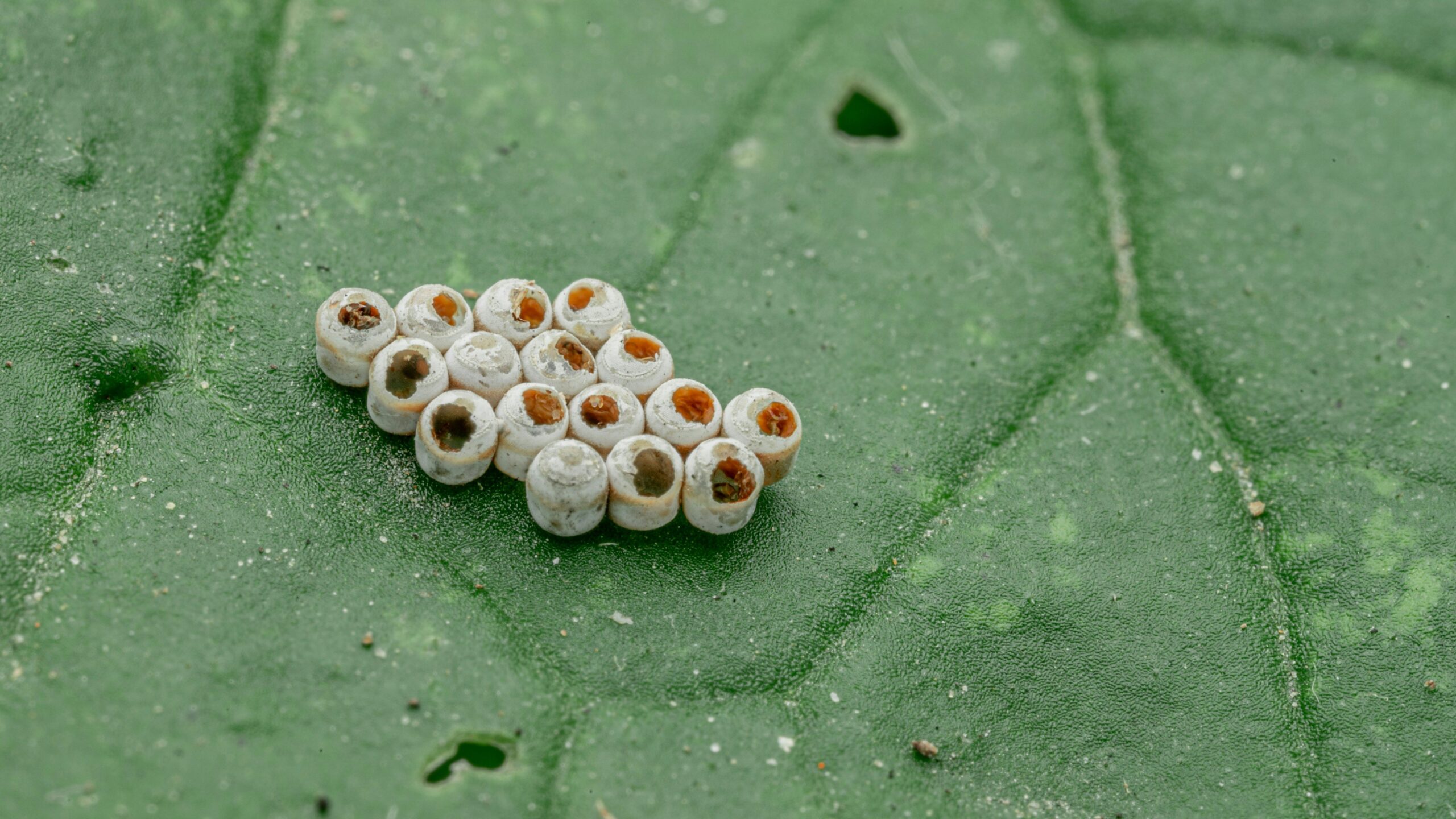
Why Monarch Butterfly Gardens Matter
Monarch butterflies need different plants at different stages of life. Adult monarchs drink nectar from many flowers, especially during migration. Monarch caterpillars, however, have one non-negotiable requirement: they eat milkweed and nothing else.Why Monarch Butterfly Gardens Matter Monarch butterflies need different plants at different stages of life. Adult monarchs drink nectar from many flowers, especially during migration. Monarch caterpillars, however, have one non-negotiable requirement: they eat milkweed and nothing else.
That is why a garden with only colorful flowers may attract adult monarchs for a quick visit, but it will not support the next generation. A garden with milkweed but no nectar flowers is also incomplete because adults need energy before breeding and migration.
The strongest monarch gardens include both:
- Native milkweed for egg-laying and caterpillars
- Nectar-rich flowers for adult monarchs
- Season-long bloom from spring through fall
- No pesticide exposure on host or nectar plants
- Sunny planting areas where butterflies can feed and warm themselves
Key point: Milkweed attracts egg-laying monarchs, but nectar flowers keep adult monarchs fed. You need both.
Why Trust Us
At Butterflies, Birds & Blooms, we focus on practical backyard habitat: the plants, layouts, and seasonal choices that help real gardens attract butterflies, birds, bees, and other wildlife. This article is written for gardeners who want useful steps, not vague advice.
What You Need for a Monarch Butterfly Garden
You do not need a large yard to attract monarch butterflies. A sunny border, a raised bed, a pollinator patch, or even a group of large containers can help if the plants are chosen well.
For the best results, start with these basics:
- At least 6 hours of sun for most milkweed and nectar plants
- Native milkweed plants suited to your region
- Nectar flowers that bloom in different seasons
- Untreated plants or seeds from pesticide-free sources
- Loose, well-drained soil for most milkweed species
- A shallow water source or damp mineral area nearby
- Space for clusters instead of isolated single plants
Do not overthink the design at the beginning. A small, well-planted monarch garden is better than a large bed filled with the wrong plants.
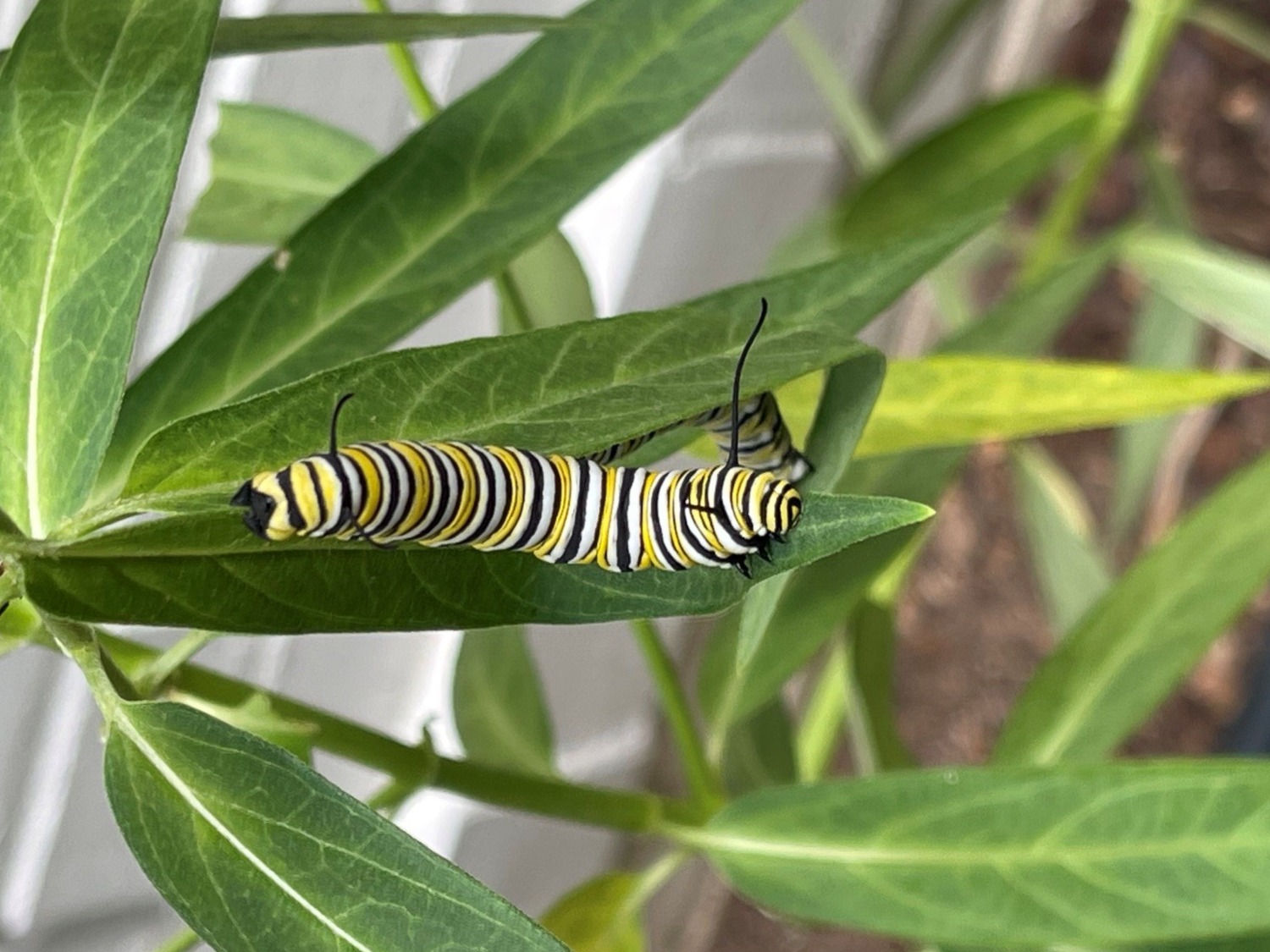
Step-by-Step Guide: How to Attract Monarch Butterflies
Step 1: Choose the Right Milkweed
Milkweed is the foundation of a monarch butterfly garden. Female monarchs search for milkweed because it is where they lay eggs. Once the eggs hatch, the caterpillars feed on the leaves.
The best choice is almost always a milkweed species native to your region. Native milkweed is better adapted to local weather, local insects, and seasonal monarch movement. It also avoids some of the disease and timing problems associated with non-native tropical milkweed.
Good options in many parts of the United States include butterfly weed, swamp milkweed, common milkweed, whorled milkweed, and showy milkweed. The right choice depends on your region and soil conditions.
Step 2: Add Nectar Flowers for Adult Monarchs
Milkweed alone is not enough. Adult monarch butterflies need nectar to fly, mate, lay eggs, and migrate. This is especially important in late summer and fall when monarchs are fueling their journey south.
Choose a mix of flowers that bloom at different times. Spring flowers support early monarchs. Summer flowers support breeding adults. Fall flowers are critical during migration.
Strong nectar plants include:
- Zinnias
- Lantana
- Blazing star
- Goldenrod
- Asters
- Coneflowers
- Joe-Pye weed
- Verbena
- Black-eyed Susans
- Salvia
Step 3: Plant in Groups
One milkweed plant tucked into a crowded flower bed is easy for monarchs to miss. Groups of plants are more visible and more useful.
Plant milkweed in clusters of at least three to five plants when possible. Do the same with nectar flowers. Repeated clumps of color make the garden easier for butterflies to find and easier for you to maintain.
Beginner tip: Start with one cluster of native milkweed and two or three clusters of nectar flowers. You can expand the garden once you see what performs well.
Step 4: Avoid Pesticides
This is where many gardeners accidentally sabotage their monarch habitat. Insecticides can kill monarch caterpillars directly. Systemic pesticides can also move through plant tissue, including leaves and nectar.
Avoid spraying milkweed. Avoid spraying blooming flowers. Be cautious when buying plants from nurseries unless they can confirm the plants were not treated with harmful systemic insecticides.
If aphids appear on milkweed, do not panic. A few aphids are normal. Use a strong stream of water, hand removal, or simply leave them alone unless they are overwhelming the plant.
Step 5: Keep Something Blooming Through Fall
Fall nectar is one of the most important pieces of a monarch butterfly garden. Migrating monarchs need fuel, and many gardens start fading just when monarchs need flowers most.
Late-season plants such as asters, goldenrod, blazing star, zinnias, and tall verbena can help keep your garden useful during migration.
Best Plants to Attract Monarch Butterflies
The best monarch gardens combine host plants and nectar plants. Use the table below as a practical starting point.
| Plant | Purpose | Best For | Notes |
|---|---|---|---|
| Butterfly Weed | Host plant | Sunny, dry gardens | Native milkweed with bright orange flowers. |
| Swamp Milkweed | Host plant | Moist soil | Good near rain gardens or damp areas. |
| Common Milkweed | Host plant | Larger spaces | Excellent for monarchs but can spread aggressively. |
| Showy Milkweed | Host plant | Western gardens | Useful in many western monarch habitats. |
| Zinnias | Nectar | Beginners | Easy annuals with long bloom time. |
| Asters | Nectar | Fall migration | One of the best late-season nectar sources. |
| Goldenrod | Nectar | Fall migration | Supports monarchs, bees, and other pollinators. |
| Blazing Star | Nectar | Butterfly gardens | Vertical purple blooms are highly attractive to monarchs. |
Best Native Milkweed for Monarch Butterflies
Native milkweed is the most important plant group for monarch caterpillars. However, not every milkweed behaves the same way in a garden.
To find the best native milkweed species for your specific region, the Monarch Joint Venture offers excellent regional planting resources and monarch conservation guides.
Butterfly Weed
Butterfly weed is one of the best milkweeds for home gardens. It has bright orange flowers, handles dry soil, and stays more controlled than common milkweed. It is a strong choice for sunny borders and pollinator beds.
Swamp Milkweed
Swamp milkweed prefers moist soil but can adapt to average garden conditions if it does not dry out too much. It has pink flowers and a more refined growth habit, making it useful in designed garden beds.
Common Milkweed
Common milkweed is highly valuable for monarchs, but it spreads by underground rhizomes. It is better for meadows, larger gardens, naturalized areas, or places where spreading is acceptable.
Whorled Milkweed
Whorled milkweed has narrow leaves and a finer texture. It can be useful in native plantings, but gardeners should confirm it is appropriate for their region before planting.
Showy Milkweed
Showy milkweed is an important western species. It is especially useful for gardeners in parts of the West where it is native and suited to local conditions.
Best rule: Choose milkweed native to your region, then match the species to your soil and available space.
What Wildlife Does a Monarch Garden Attract?
Butterflies
A monarch garden can attract more than monarchs. Nectar plants may also bring swallowtails, painted ladies, fritillaries, skippers, sulphurs, and other butterflies.
Birds
Seed-producing flowers such as coneflowers, black-eyed Susans, and native grasses can attract finches and other small birds later in the season. A healthy insect population also supports birds that feed insects to their young.
Bees
Many monarch nectar plants also support native bees and honeybees. Asters, goldenrod, coneflowers, mountain mint, and milkweed flowers can all be valuable bee plants.
Beneficial Insects
Native plantings often attract lady beetles, lacewings, parasitic wasps, hoverflies, and other beneficial insects. These insects help balance the garden naturally, which reduces the need for sprays.
Regional and Seasonal Variations
Monarch gardening is not exactly the same everywhere. Your region affects which milkweed to plant, when monarchs may appear, and which nectar flowers are most valuable.
Southeast
In the Southeast, long growing seasons can support monarchs for much of the year. Native milkweeds such as butterfly weed and swamp milkweed are often useful. Fall nectar is especially important because monarchs may pass through during migration.
Northeast
In the Northeast, focus on hardy native milkweed and strong late-season nectar. Asters, goldenrod, Joe-Pye weed, and blazing star can be especially useful as monarchs move south.
Midwest
The Midwest is central to monarch breeding habitat. Common milkweed, swamp milkweed, butterfly weed, asters, goldenrod, and coneflowers can all play an important role in larger pollinator plantings.
Southwest
In the Southwest, heat and drought matter. Choose regionally appropriate milkweed and drought-tolerant nectar plants. Avoid assuming that plants suited to the eastern United States will perform well in desert conditions.
Pacific Northwest
In the Pacific Northwest, gardeners should focus on regionally native milkweed and nectar plants that support western monarchs. Local native plant societies and extension resources can help identify the best species for your area.
Common Mistakes to Avoid
Planting Only Milkweed
Milkweed is essential, but adult monarchs also need nectar. A complete monarch garden includes both host plants and nectar plants.
Planting the Wrong Milkweed
Not all milkweed is equally appropriate. Tropical milkweed can create problems in some climates when it does not die back naturally. Native milkweed is usually the better long-term choice.
Using Pesticides Near Milkweed
Milkweed is where monarch caterpillars feed. Spraying it defeats the purpose of planting it.
Buying Treated Plants
Some nursery plants may be treated with systemic insecticides. Ask before buying, especially when purchasing milkweed or pollinator plants.
Keeping the Garden Too Tidy
A perfectly sterile garden is rarely the best wildlife garden. Leave some seed heads, stems, and natural cover where appropriate. Many beneficial insects use plant material for shelter.
For more information, Xerces Society provides science-based guidance on pollinator conservation, pesticide risks, and native habitat restoration.
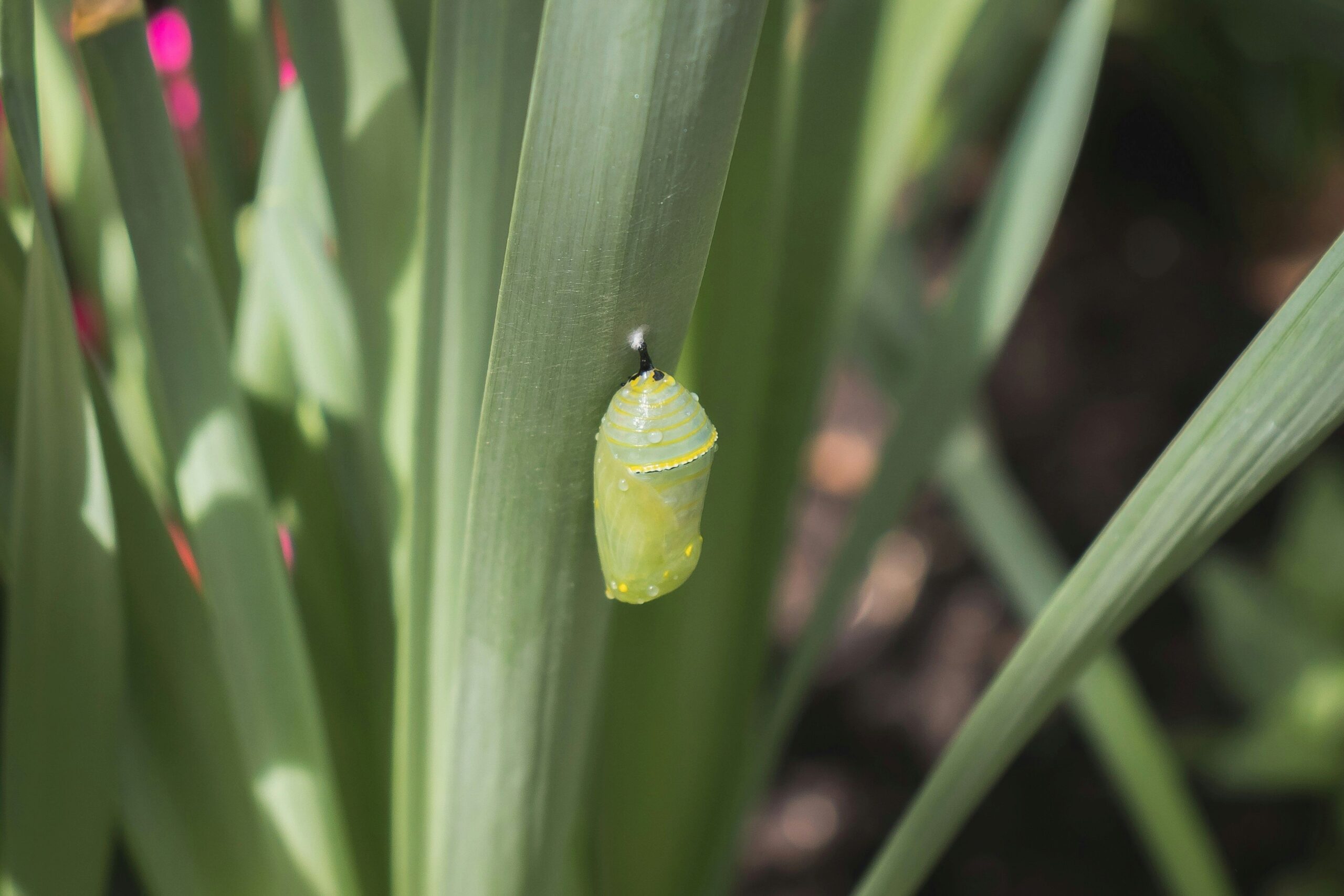
Care and Maintenance
A monarch butterfly garden does not need to be complicated, but it does need consistent care.
- Water new plants until established.
- Mulch lightly to reduce weeds while leaving some bare soil for ground-nesting bees.
- Deadhead annuals such as zinnias to encourage more blooms.
- Leave some seed heads for birds and natural reseeding.
- Cut back diseased or messy growth at the appropriate time for your region.
- Refresh annual nectar plants each year if you rely on them.
Beginner Tips for Attracting Monarch Butterflies
Best beginner milkweed: Butterfly weed is often the easiest native milkweed for sunny, well-drained garden beds.
Best beginner nectar flowers: Zinnias, lantana, coneflowers, and asters give you reliable blooms without complicated care.
Best layout: Plant in clusters instead of scattering one plant here and one plant there.
Best fall strategy: Make sure asters, goldenrod, zinnias, or blazing star are blooming when migration begins.
Frequently Asked Questions About Attracting Monarch Butterflies
What is the best plant to attract monarch butterflies?
Milkweed is the most important plant because monarch caterpillars can only eat milkweed. For adult monarchs, the best nectar plants include asters, goldenrod, blazing star, zinnias, lantana, and coneflowers.
Do monarch butterflies only lay eggs on milkweed?
Yes. Female monarchs lay eggs on milkweed because it is the only food monarch caterpillars can eat after hatching.
How many milkweed plants do I need?
Start with at least three to five milkweed plants if you have room. More is better, especially if caterpillars begin feeding heavily.
Will monarch butterflies come the first year?
They can. If you plant milkweed and nectar flowers during the right season and monarchs are moving through your area, they may find your garden the first year.
Should I plant tropical milkweed?
In most gardens, native milkweed is the better choice. Tropical milkweed can stay green too long in warm climates and may contribute to disease issues if not managed carefully.
Can I grow milkweed in containers?
Yes, some milkweed can grow in containers, especially if the pot is large, drains well, and receives full sun. Container plants may need more frequent watering.
Should I remove aphids from milkweed?
Only if they are overwhelming the plant. Avoid insecticides. Use gentle hand removal or a stream of water if needed, and check first for monarch eggs or caterpillars.
What time of year do monarchs visit gardens?
Timing depends on your region. Many gardeners see monarchs during spring and summer breeding periods, then again during late summer and fall migration.
Conclusion
Learning how to attract monarch butterflies to your garden starts with planting the right habitat. Native milkweed gives monarch caterpillars the food they need, while nectar-rich flowers feed adult monarchs during breeding and migration.
The mistake is thinking one plant solves everything. A strong monarch butterfly garden combines host plants, nectar plants, sunshine, pesticide-free care, and flowers that bloom across the season.
Start small, plant in groups, choose native milkweed, and keep nectar available through fall. Your garden can become more than a beautiful space. It can become part of the monarch migration story.
Join our free weekly garden notes for seasonal planting tips, pollinator guides, and backyard wildlife inspiration.
Share this article


Join the discussion
Sign in to join the discussion
Comments are open to BBB members. Sign in to your free account to share your experience, ask questions, and reply to other readers.
Free to join. No credit card. Founding Member badge for the first 500 spots.